The tarmac at London Heathrow has a specific smell in mid-summer. It is a thick, shimmering cocktail of kerosene, heated rubber, and the heavy humidity of July. For decades, this scent signaled a frantic, joyous migration. Families balanced overstuffed suitcases, businessmen checked gold watches, and the departure boards flickered with the names of ancient crossroads: Amman, Abu Dhabi, Jeddah.
Now, the silence is heavy.
When British Airways announced its return to the skies this July, it wasn't the triumphant roar many expected. Instead, it was a whisper. The airline is slashing its Middle Eastern schedule, trimming the wings of a network that once felt invincible. This isn't just a corporate adjustment. It is a fundamental shift in how we connect with the cradle of civilization.
Consider a traveler like Sarah. She is a hypothetical architect based in London, but her heart—and her most important project—resides in the limestone hills of Jordan. For years, the red-tailed jets of BA were her bridge. She knew the flight attendants, the taste of the lukewarm coffee, and the exact moment the cabin lights dimmed over the Mediterranean. To Sarah, a flight isn't a "service frequency." It is the ability to show up for a site visit, to hug a colleague, or to witness the progress of a dream.
When an airline "reduces services," people like Sarah lose more than a seat. They lose time. They lose the reliability of a direct link. They are forced into the grueling choreography of layovers, sprinting through terminals in Istanbul or Doha, praying their luggage makes the connection.
The Arithmetic of Ambition
Airlines are cold-blooded creatures of data. They have to be. Behind every canceled flight to Abu Dhabi lies a spreadsheet that would make a mathematician weep. The pandemic didn't just ground planes; it rewired the global economy.
British Airways is looking at a world where the demand for premium seats—the lifeblood of long-haul routes—has evaporated like a desert mirage. Business travel, once the predictable pulse of the Middle East corridors, has been replaced by the flat, digital glare of video calls. Why send a team of five to Riyadh when a high-definition camera can do the job for the cost of a monthly subscription?
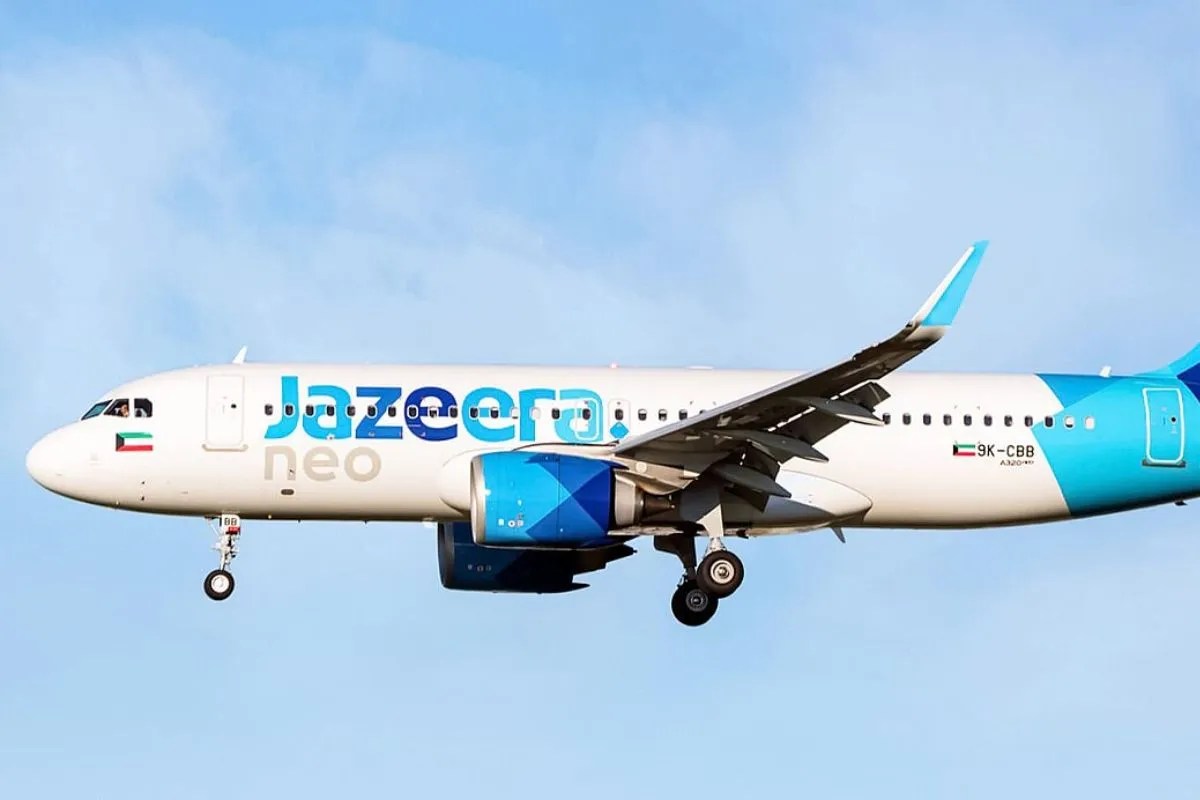
The numbers tell a stark story. By July, the flights to Muscat and Jeddah won't just be fewer; some are vanishing entirely for the season. The daily heartbeat to Kuwait is slowing to a stutter. It is a retreat born of necessity. Each Boeing 777 costs thousands of dollars an hour just to keep in the air. If the belly of the plane isn't full of cargo and the seats aren't filled with paying souls, the flight becomes a ghost, haunted by the specter of debt.
But data ignores the friction of reality. When you cut a flight, you don't just lose a route. You lose a rhythm.
The Invisible Infrastructure of Trust
There is an old saying in the Levant that trust is built on tea and time. You cannot build a relationship over a screen with the same depth as you can over a meal in a bustling cafe in Amman.
The Middle East has always been a region of presence. It is a culture of the "Majlis," the sitting room where deals are struck not through legal contracts alone, but through the looking of a man in the eye. By thinning the schedule, BA is effectively raising the price of presence.
Imagine the ripple effect. A small tech firm in London is trying to secure a partnership in the Emirates. Previously, they could fly out Monday, meet Tuesday, and be home Wednesday. Now, with fewer options, that trip becomes a four-day odyssey. The cost doubles. The exhaustion deepens. Eventually, the firm decides it’s too much hassle. They look elsewhere. They look closer to home.
The "Silk Road" was never just about silk. It was about the movement of ideas, the blending of spices, and the shared risks of the journey. When the carriers of the modern age pull back, the road narrows. The world gets a little bit larger, and a lot less interesting.
The Heavy Cost of the Long Way Around
Airlines often use the word "rationalization" to describe these cuts. It sounds clean. It sounds like a surgical strike. But for the passenger standing at Terminal 5, it feels like a fracture.
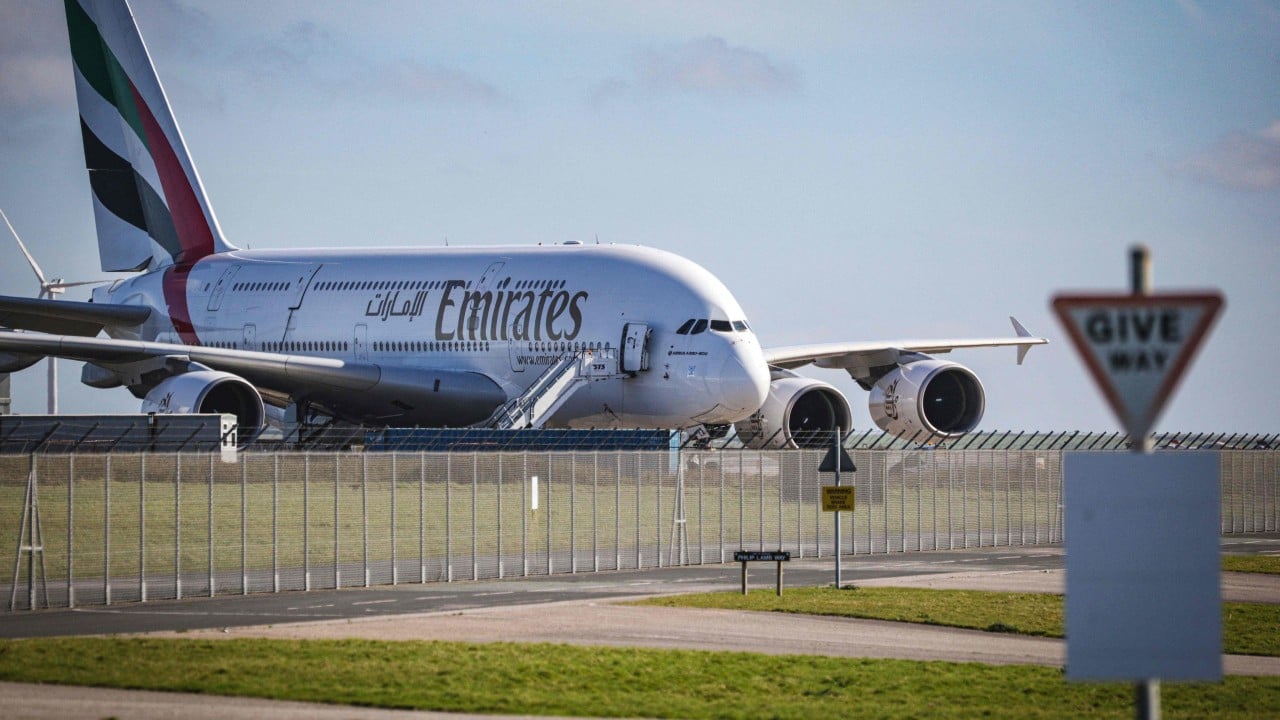
The logistical reality of a reduced Middle East schedule means that the "Great British Flag Carrier" is yielding ground. For years, BA competed tooth and nail with the "ME3"—Emirates, Qatar Airways, and Etihad. These Gulf giants have built shimmering hubs in the sand, turning layovers into luxury experiences.
By pulling back, BA is essentially telling its customers: "We can't compete here right now."
It is a vulnerable admission. For a brand that prides itself on being the global ambassador of British poise, retreating from major energy and financial hubs is a bitter pill. It signals a shift in focus toward the North Atlantic, where the profit margins are currently sturdier.
But what happens to the student in Beirut trying to get home for the summer? What happens to the doctor in London who needs to reach a family emergency in Dammam? They become collateral damage in a war of margins. They are forced to navigate the maze of secondary carriers, often paying more for a product that offers less.
The Ghost of the Cabin
Walking down the aisle of a partially empty long-haul jet is an eerie experience. The air is too quiet. The crew, usually a blur of professional motion, have too much time to think. They know the rumors. They see the schedules shrinking.
There is a human cost to the staff as well. For the pilots and cabin crew who spent their careers flying the "Desert Express," these routes were a badge of honor. They knew the desert landscapes from 35,000 feet—the way the sun hits the Empty Quarter, turning the dunes into waves of molten gold.
Now, those senior crews are being shuffled. The expertise of the region—the nuances of the culture, the specific needs of the passengers—begins to bleed away. Expertise is not a manual; it is a memory. When you stop flying the route, the memory fades.
A World That Is Not Smaller, But More Distant
We were told that technology would make the world a village. In many ways, it has. We can see the streets of Cairo on our phones and trade stocks in Dubai from a park bench in Manchester.
But distance is not just a measurement of miles. It is a measurement of effort.
When British Airways reduces its presence in the Middle East this July, it is effectively making those miles longer. It is telling us that the journey is no longer "routine." It is becoming a luxury, a complication, a hurdle.
The logic of the balance sheet is hard to argue with. An airline must survive to fly another day. But as we look at the July schedules, we have to wonder what we are sacrificing at the altar of efficiency.
The sky used to be a web of connections that defied geography. Today, that web is fraying. We are learning, painfully, that the ability to cross the world in a few hours was never a right. It was a fragile privilege.
As the sun sets over the dunes this summer, there will be fewer silver birds tracing white lines across the blue. The silence left behind isn't just an absence of noise. It is the sound of a world drawing its borders a little tighter, and the realization that some bridges, once dismantled, are very hard to build back.
The desert wind still blows, but the voices it carries from the West are growing faint.