The blue glow of a smartphone screen is often the first messenger of heartbreak. In the quiet hours of a Tuesday morning, thousands of migrant workers across India looked at their screens to find a simple, devastating notification: "Cancelled."
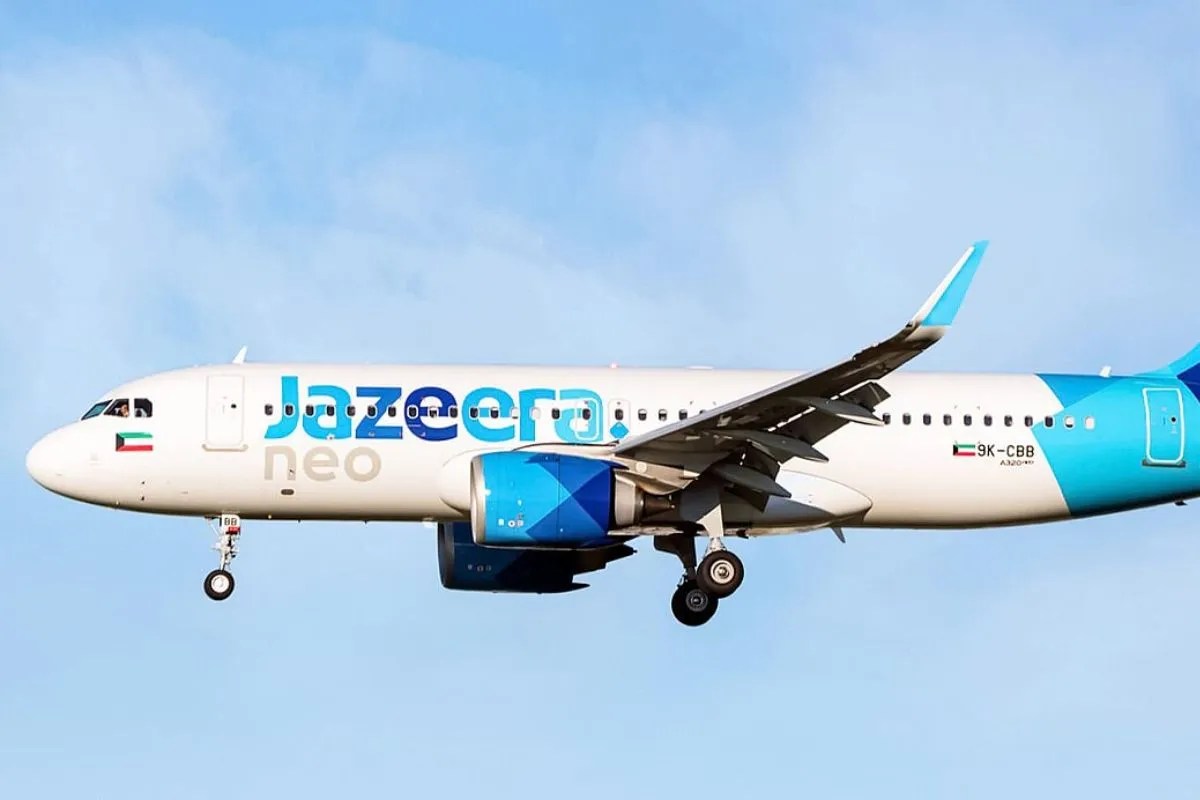
Jazeera Airways, the low-cost carrier that had become a vital artery between Kuwait and the Indian subcontinent, didn't just pull a few flights. They severed a lifeline. For at least the next five weeks, nine major Indian cities—including hubs like Ahmedabad, Thiruvananthapuram, and Chennai—will see no Jazeera wings on their runways.
To a corporate analyst, this is a "temporary operational suspension." To a father who hasn't seen his daughter in two years, it is a wall made of bureaucracy and jet fuel.
The Anatomy of a Grounding
Airlines are machines of precision, but they are also fragile ecosystems. When Jazeera Airways announced the suspension of flights to nearly half of its Indian destinations until late March, the official explanation remained sparse. They cited "operational reasons."
In the aviation world, "operational reasons" is a catch-all phrase that hides a multitude of sins. It could mean a shortage of spare parts, a sudden shift in bilateral flying rights, or a calculated pivot to more profitable routes during a lean season. But for the traveler holding a ticket, the why matters far less than the where.
Consider the geography of this shutdown. We aren't just talking about Delhi or Mumbai. The suspension hits the heart of the diaspora. Cities like Kochi and Thiruvananthapuram are the departure points for the backbone of the Gulf’s workforce. These are the people who build the skyscrapers and man the hospitals of Kuwait City. When you cancel a flight to Kerala, you aren't just stopping a plane; you are freezing a family's economy.
The Human Cost of a Ticket Refund
Let’s look at a hypothetical traveler. We will call him Rajesh.
Rajesh works in a warehouse in Al-Ardiya. He has saved for fourteen months to afford a three-week trip home for his sister’s wedding. He booked with Jazeera because it was affordable—a budget carrier that promised a no-frills path to his front door. When the airline cancels his flight, they offer a refund.
But a refund is not a solution.
By the time the money hits Rajesh’s account, the prices for rival airlines like Air India Express or Indigo have tripled. The "affordable" window has slammed shut. Rajesh is left standing in the heat of a Kuwaiti afternoon, holding enough money for a ticket that no longer exists.
This is the invisible tax on the migrant worker. The volatility of the low-cost carrier model means that the most vulnerable travelers are the ones who pay the highest price for corporate restructuring.
Why Nine Cities?
The scale of this withdrawal is what makes it particularly biting. The list of affected cities reads like a map of India’s industrial and cultural diversity:
- Ahmedabad
- Thiruvananthapuram
- Kochi
- Chennai
- Mumbai
- Delhi
- Hyderabad
- Bengaluru
- Lucknow
When an airline pulls out of nine cities simultaneously, it suggests a systemic recalibration. Jazeera has been aggressive in its expansion, often undercutting national carriers to grab market share. But aggression requires a steady supply of aircraft and crews.
The aviation industry is currently gripped by a global supply chain crisis. Engines are failing, and the "turnaround time" for maintenance has stretched from weeks to months. It is highly probable that Jazeera is playing a high-stakes game of musical chairs with its fleet. They are moving their working planes to the routes that offer the highest margins, leaving the less profitable or more complex Indian sectors in the dark.
The Ripple Effect on the Ground
In the bustling travel agencies of Manjeri or the small booking kiosks in Ahmedabad, the atmosphere is one of controlled panic. Travel agents are the first to hear the screams. They are the ones who have to explain to a weeping grandmother that she won't be able to visit her grandchildren this month.
"It’s not just the flight," one agent explained, his desk piled high with useless itineraries. "It’s the visas. Many of these workers have exit-reentry visas that have an expiration date. If they don't fly now, their legal status to return to their jobs in Kuwait could be at risk. Jazeera isn't just canceling a vacation; they are potentially canceling a career."
The airline has stated that flights are expected to resume after the third week of March. But in the world of international travel, trust is harder to rebuild than a flight schedule. Once a passenger has been stranded, the "low cost" of a ticket starts to look like a very expensive gamble.
A Market in Flux
The India-Gulf corridor is one of the busiest in the world. It is the golden goose of aviation. Yet, it is also a graveyard of consistency.
We see a pattern emerging where budget carriers overextend themselves during peak seasons and then retreat abruptly when the math stops adding up. Jazeera’s move is a symptom of a larger instability. As fuel prices fluctuate and competition from revamped giants like the Air India group intensifies, smaller players are finding that they can no longer afford to be everywhere at once.
They choose the path of least resistance. Unfortunately, that path often leads away from the secondary cities of India, where passengers have fewer alternatives and less bargaining power.
The Silence of the Lounge
There is a specific kind of silence that haunts an airport gate when a flight has been scrubbed from the board. It’s not a quiet peace; it’s a heavy, frustrated stillness.
As of today, the Jazeera counters in those nine Indian cities are dark. The ground staff, often third-party contractors, have little to offer but apologies and a customer service number that rings into a void. The airline promises a return to normalcy by the end of March, but for the thousands of people currently stranded, March feels like a lifetime away.
The lesson here isn't just about travel logistics. It’s about the fragility of the bridges we build. We live in an era of unprecedented connectivity, where a five-hour flight can bridge two different worlds. But that bridge is owned by a corporation, managed by an algorithm, and subject to the cold, hard logic of a balance sheet.
When the music stops, it’s never the executives in the boardroom who are left without a seat. It’s the person sitting on a suitcase in an airport terminal, watching the sunset through the glass, wondering how they are going to tell their family they aren't coming home.
The planes will eventually return. The schedules will be updated. The "operational reasons" will be resolved. But the memory of that empty gate, and the sudden, sharp realization of how little one's plans matter to a carrier’s bottom line, will linger long after the engines start again.
Rajesh will eventually find a way home, but he will likely pay for it with the money he meant for his sister's gift. He will sit in a middle seat on a different airline, looking out at the clouds, realizing that in the sky, as on the ground, some people are passengers, while others are merely cargo.