The assumption that a diplomatic thaw between Washington and Tehran would immediately deflate international airfares ignores the structural rigidities of airline cost modeling. While a formal truce would theoretically reopen the Persian corridor, the transition from "restricted airspace" to "operational efficiency" is hampered by insurance risk premiums, fleet utilization lag, and the permanent shift in global hub-and-spoke dynamics. A truce does not delete the geographic debt accumulated during years of rerouting; it merely changes the nature of the bottleneck.
The Cost Function of Rerouted Aviation
Airlines operate on razor-thin margins where the primary variable is the Burn Rate per Seat-Kilometer. When Iranian airspace is restricted, carriers flying between Europe and Southeast Asia or the Indian subcontinent must divert through Saudi Arabian or Egyptian corridors. This creates three distinct economic pressures that a simple diplomatic signature cannot resolve.
1. The Fuel Burn Multiplier
Rerouting adds between 45 and 90 minutes of flight time for ultra-long-haul routes. The relationship between flight duration and fuel consumption is non-linear. To carry the extra fuel required for the detour, the aircraft becomes heavier, which in turn requires burning more fuel just to transport the weight of the fuel itself. This "fuel-on-fuel" penalty often accounts for a 5% to 8% increase in total trip costs. Even if the Iranian corridor reopens, airlines will not adjust pricing until they can guarantee the stability of the route over a full fiscal quarter.
2. Crew Rotation and Labor Elasticity
Aviation labor contracts are governed by strict flight time limitations (FTLs). A 60-minute detour often pushes a flight crew past their legal operating limit, necessitating a "heavy crew" (three or four pilots instead of two). This increases labor costs by 50% for that specific leg. Reverting to a shorter route requires renegotiating crew rotations and rest requirements across an entire network—a process that takes months to synchronize.
3. Equipment Opportunity Cost
When a flight takes 12 hours instead of 11, the turnaround time at the destination hub is squeezed. Over a fleet of 50 aircraft, those lost hours aggregate into "ghost frames"—missing capacity that could have been used for additional frequencies. The industry is currently facing a global shortage of wide-body aircraft due to manufacturing delays at Boeing and Airbus. Reopening Iranian airspace provides a marginal time saving, but it does not magically produce the extra aircraft needed to increase supply and lower fares.
The Insurance Risk Paradox
The primary barrier to returning to Iranian flight paths is not the FAA or EASA—it is the London insurance market. Underwriters categorize Iranian airspace as a High-Risk Area (HRA).
Even if a truce is signed, "War Risk" premiums remain elevated until a track record of safety is re-established. Following the 2020 shoot-down of Ukraine International Airlines Flight 752, the perceived risk of "misidentification by air defense systems" remains high. Airlines will not fly over Iran if the savings in fuel are offset by a spike in hull and liability insurance.
Furthermore, the "Sovereign Risk" remains. A truce is a political instrument, not a technical guarantee. If an airline restarts operations and a "snapback" of sanctions occurs, or if local tensions lead to a sudden NOTAM (Notice to Air Missions) closure, the carrier faces massive disruption costs. Most risk-averse legacy carriers prefer the certainty of a longer, expensive route over the volatility of a shorter, cheaper one.
Structural Inertia in Revenue Management
Ticket pricing is governed by Expected Demand Elasticity, not just cost-plus accounting. Airlines have discovered that during the post-2023 travel surge, passengers are willing to absorb "geopolitical surcharges" disguised as base fare increases.
The Lag in Pricing Algorithms
Most airlines use automated Revenue Management Systems (RMS) that look at historical booking data to set prices. These systems are "backward-looking." Because fares for the next 11 months are already loaded into the systems based on current high-cost operating models, a sudden drop in operating costs (due to a truce) would not trigger a price drop. Instead, it would result in a temporary windfall for the airline's margin.
Infrastructure Constraints at Alternative Hubs
During the years of Iranian avoidance, hubs like Dubai (DXB), Doha (DOH), and Istanbul (IST) have optimized their slots for the current flow of traffic. Reverting to Iranian corridors would change arrival and departure waves. The global aviation network is a "tightly coupled system." Changing the timing of 200 daily flights by 40 minutes each creates "slot clashing" at major gateways. Until the ground infrastructure and slot allocations are re-indexed, the efficiency gains of the shorter route cannot be fully realized.
The Carbon Offset Variable
The aviation industry is under increasing pressure to meet Net-Zero targets. Longer routes increase the carbon footprint per passenger. While a truce would reduce total emissions by shortening flight paths, many airlines are using the "avoidance routes" as a justification for implementing Sustainable Aviation Fuel (SAF) surcharges. These surcharges are rarely removed once established. The "green premium" acts as a floor for airfares, preventing them from returning to pre-conflict levels even if the geography of the flight changes.
Strategic Realities of the Persian Corridor
To determine if a truce will actually impact a specific route, one must look at the Minimum Time Track (MTT).
- For North American Carriers: The impact is minimal. Most US-to-India flights already utilize polar routes or North Atlantic tracks that avoid Iranian airspace regardless of the political climate.
- For European Carriers: The impact is significant but delayed. Carriers like Lufthansa, Air France-KLM, and British Airways stand to save the most, but they are also the most beholden to strict insurance and safety board oversight.
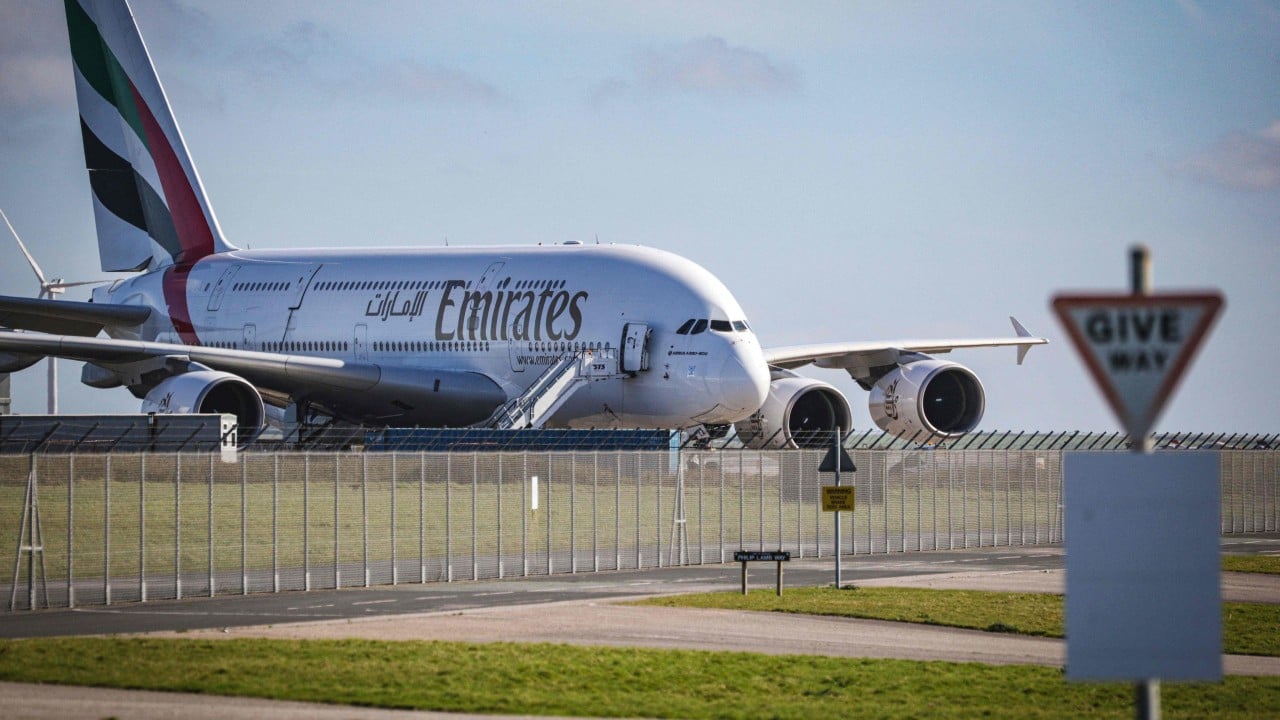
- For Gulf Carriers: Emirates and Qatar Airways already utilize parts of this airspace or have the diplomatic agility to pivot quickly. Their competitive advantage actually shrinks if everyone else gains access to the same shortcuts, meaning they have little incentive to lead a price war.
Operational Requirement: The Post-Truce Checklist
For an investor or a corporate travel department looking to forecast fare movements, the following indicators must be monitored:
- Joint Aviation Authorities (JAA) Risk Assessment: Watch for the removal of "Level 1" danger warnings for Iranian flight levels above FL320.
- IATA Clearing House Stabilization: Look for the resumption of standard overflight fee processing through Iranian civil aviation authorities. Overflight fees are a significant source of hard currency for Tehran; if these fees are set too high to recoup lost revenue, the "shortcut" becomes economically non-viable.
- Refinery Margins (Jet A-1): If the truce includes an easing of oil sanctions, the primary driver of lower fares will be the global drop in crude prices, not the shortening of the flight path. Fuel represents roughly 25% to 30% of an airline's operating costs.
The reopening of the Iranian corridor is a necessary but insufficient condition for the reduction of global airfares. The friction of insurance, the rigidity of airline scheduling, and the opportunistic nature of revenue management ensure that "geopolitical dividends" are rarely passed on to the consumer. Travelers should expect a "sticky" pricing environment where airlines prioritize balance sheet repair over competitive discounting. The strategic play for corporate entities is to lock in long-term contracts now, as the volatility of the "transition period" following a truce often leads to higher, not lower, short-term pricing due to scheduling chaos.