The air inside Terminal 5 usually hums with a specific kind of kinetic energy. It is the sound of reunion and the frantic clicking of rolling suitcases. But as July approaches, a month that traditionally signals the Great British escape, a new kind of silence is settling over the British Airways departures board.
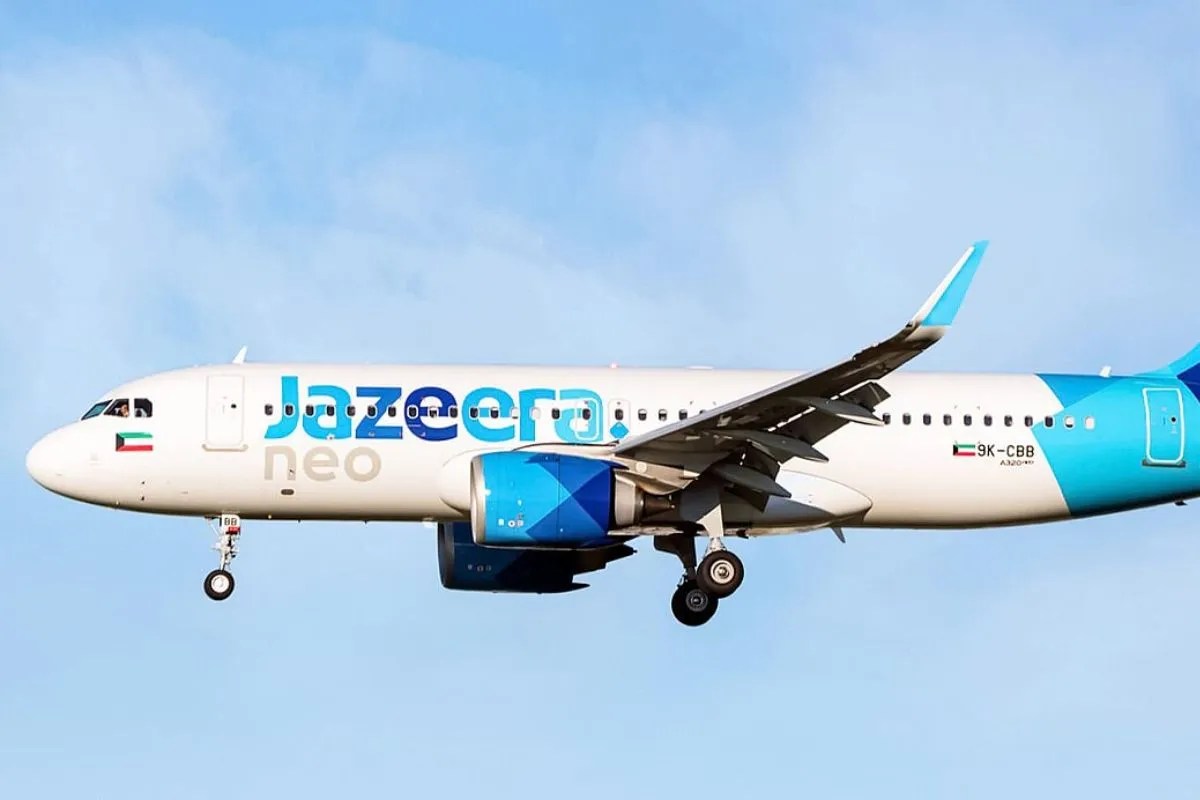
The numbers are in. They are cold. They are clinical. When BA restores its flight paths this summer, the map of the Middle East will look like a garment that has been tailored just a bit too tight. Flights to Kuwait and Abu Dhabi are being trimmed. Routes to Bahrain are being tucked away. On paper, it is a strategic capacity adjustment. In reality, it is a severance of thousands of invisible threads that hold families, businesses, and lives together.
Consider a man named Omar. He is a hypothetical passenger, but his story is repeated in the data of every canceled booking. Omar works in London’s financial district and lives for the three times a year he flies back to Abu Dhabi to see his parents. For him, a "reduction in service" isn't a logistical footnote. It is the difference between being there for his father’s milestone birthday and sending a pixelated wave through a smartphone screen.
Airlines talk about "load factors" and "yield management." They crunch the numbers until the humanity is squeezed out of the cabin. But a flight is rarely just a flight. It is a vessel for human intent. When British Airways decides to scale back its Middle Eastern presence as the world tries to find its feet again, they aren't just moving planes. They are moving the goalposts for everyone who relies on those metal birds to bridge the gap between two different worlds.
The Math of Shrunken Horizons
The logic behind the cuts is deceptively simple. Aviation is a game of margins so thin they could cut glass. During the long, forced hibernation of the past few years, the industry bled cash at a rate that would make a sovereign wealth fund blink. As the engines start to roar back to life this July, the bean counters are looking at the fuel prices, the staffing shortages, and the shifting patterns of corporate travel.
They realized something uncomfortable. The prestige of a daily flight to every major Gulf capital doesn't pay the lease on a Boeing 787 if the seats aren't filled with high-yield business travelers.
The shift is stark. We are seeing a retreat from the "hub and spoke" ambition that once defined global travel. Instead of being the bridge between East and West, the airline is pulling its elbows in. It is a defensive crouch. By reducing the frequency of flights to places like Kuwait, BA is betting that travelers will accept the inconvenience of a layover or a different day of travel.
But convenience is a fragile thing. Once you break the habit of a direct flight, you break the loyalty of the passenger.
Beyond the Boardroom
Step away from the spreadsheets and look at the cargo hold. A flight to the Middle East isn't just carrying people; it’s carrying commerce. Fresh produce, high-end electronics, and urgent medical supplies move in the belly of those passenger planes. When you cut the flights, you constrict the arteries of trade.
There is a visceral frustration that comes with these announcements. It’s the feeling of a world getting smaller when we were promised it would finally open back up. We spent months staring at walls, dreaming of the desert heat or the familiar chaos of a Middle Eastern souk. Now, just as the gates are supposed to swing wide, we find they are only partially ajar.
The "why" is often attributed to a lack of aircraft or the ongoing struggle to recruit ground staff, but that feels like a hollow excuse to someone standing at a check-in desk with a canceled ticket. The industry is suffering from a collective exhaustion. The machines are ready, but the systems around them—the people, the fuel, the logistics—are brittle.
The Ghost of the Frequent Flyer
If you’ve ever spent a night in an airport lounge, you know the particular purgatory of a delayed or canceled connection. You see the high-powered consultant slumped over a lukewarm espresso. You see the young family trying to keep a toddler entertained with a pack of crackers and a dream.
These are the people British Airways is risk-modeling.
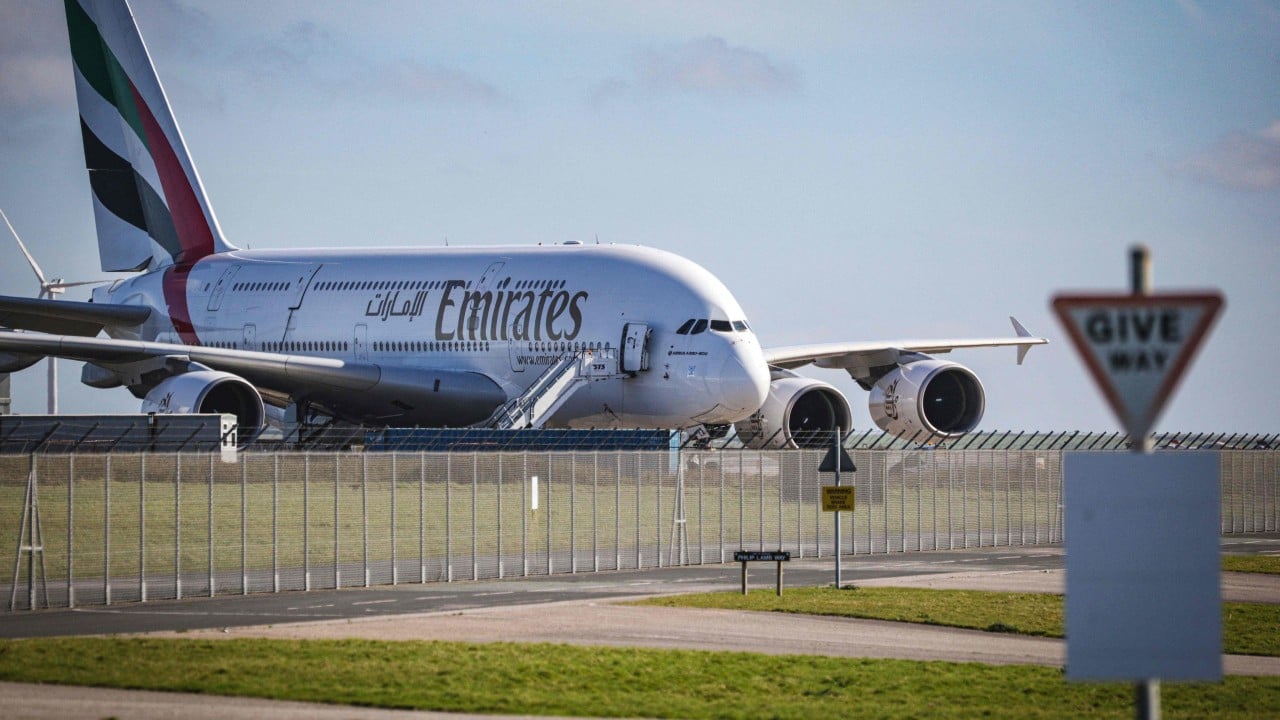
The airline knows that a certain percentage of these people will simply move to Emirates, Qatar Airways, or Etihad. Those carriers aren't retreating. In fact, they are leaning into the vacuum. This creates a strange paradox. A British flagship carrier is ceding ground in one of the most lucrative and culturally significant regions on earth.
It feels like a surrender.
Perhaps it is a necessary one. Perhaps the only way to save the whole is to sacrifice the parts. But for the traveler who has spent years earning "Avios" points, expecting that loyalty to be a two-way street, the news feels like a quiet betrayal. The "July Restart" was supposed to be a symphony. Instead, it’s a solo performance with several missing notes.
The Invisible Stakes of a Shortened Schedule
We often think of travel as a luxury, a "nice-to-have" that we can trim when times get tough. This is a fundamental misunderstanding of how the modern world is built. We are a global species. Our families are distributed across time zones. Our careers are tethered to cities six thousand miles apart.
When a flight frequency drops from daily to three times a week, the "slack" in the system disappears. One mechanical failure or one bad storm no longer causes a few hours of delay. It causes a cascading collapse. If you miss the Tuesday flight and the next one isn't until Thursday, you don't just miss a meeting. You miss the funeral. You miss the birth. You miss the moment that can never be rescheduled.
This is the hidden cost of "operational efficiency." It transfers the risk from the corporation to the individual.
The airline keeps its planes full and its costs down. The passenger, meanwhile, carries the anxiety of a schedule with no safety net. We are entering an era of "brittle travel," where the margin for error is zero.
The Heat of the Tarmac
Imagine standing on the tarmac in Bahrain in July. The heat is a physical weight, a shimmering curtain that distorts the horizon. Usually, the sight of that blue and white tail fin is a comfort. It’s a piece of home, a familiar standard in a far-flung place.
This summer, that sight will be rarer.
The desert sun will beat down on empty gates that should have been teeming with life. The ripple effects will move through the hotels in London and the boardrooms in Dubai. It is a reminder that recovery is not a straight line. It is a jagged, stumbling process.
We want to believe that we can flip a switch and return to the way things were in 2019. We want the frictionless world back. But the decision to reduce Middle Eastern services proves that the friction is here to stay. We are navigating a landscape where the map is being redrawn in real-time, and the lines are being erased faster than we can follow them.
The planes will still fly. The engines will still burn through the clouds. But for those watching the screens at Gate B22, waiting for a destination that has been scrubbed from the list, the world just got a little bit wider, and a lot harder to cross.
The empty seat isn't just a loss of revenue. It is a lost connection, a broken promise, and a silent testament to a world that hasn't quite figured out how to be whole again.