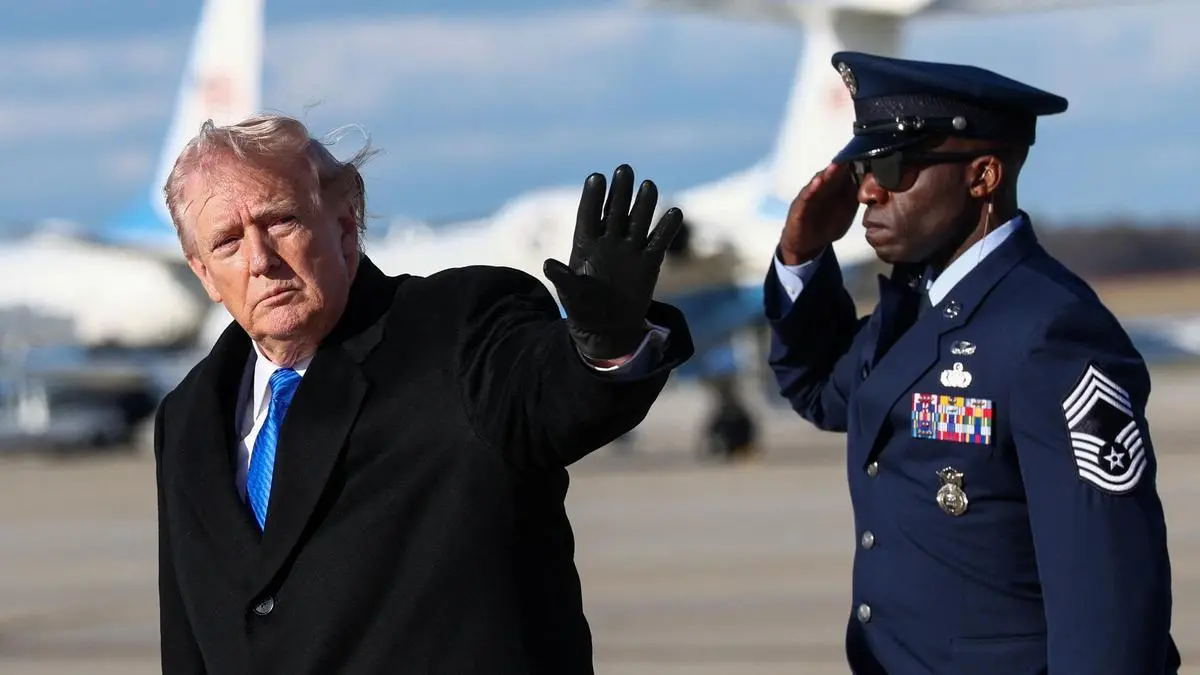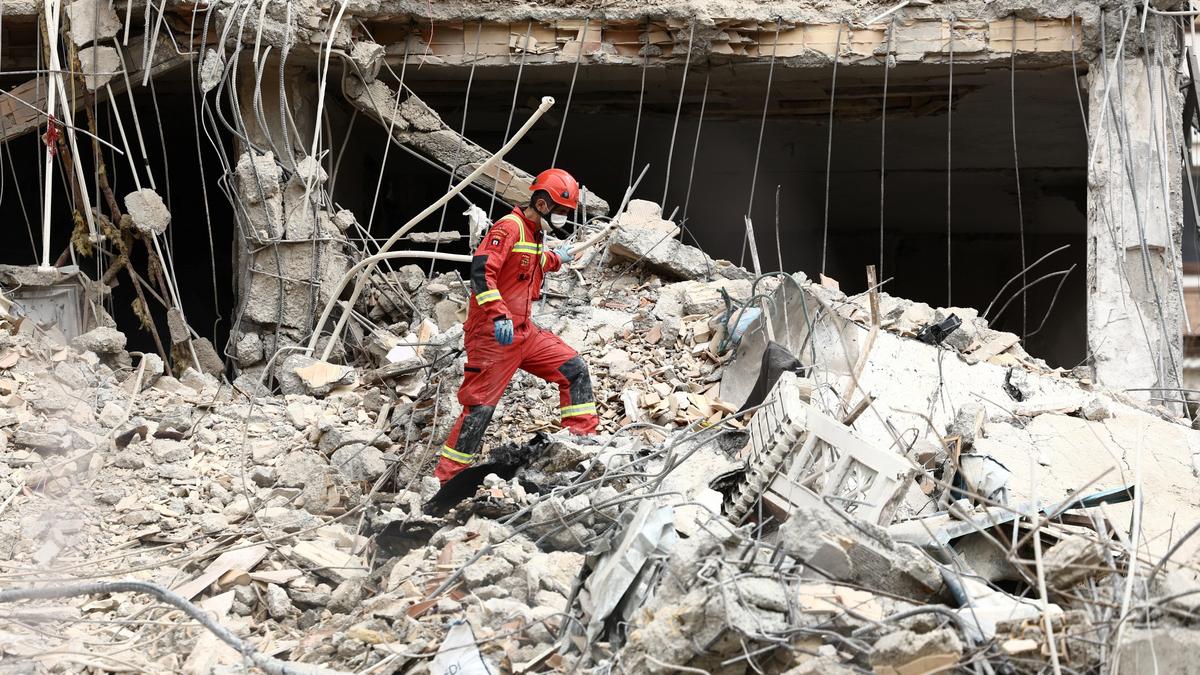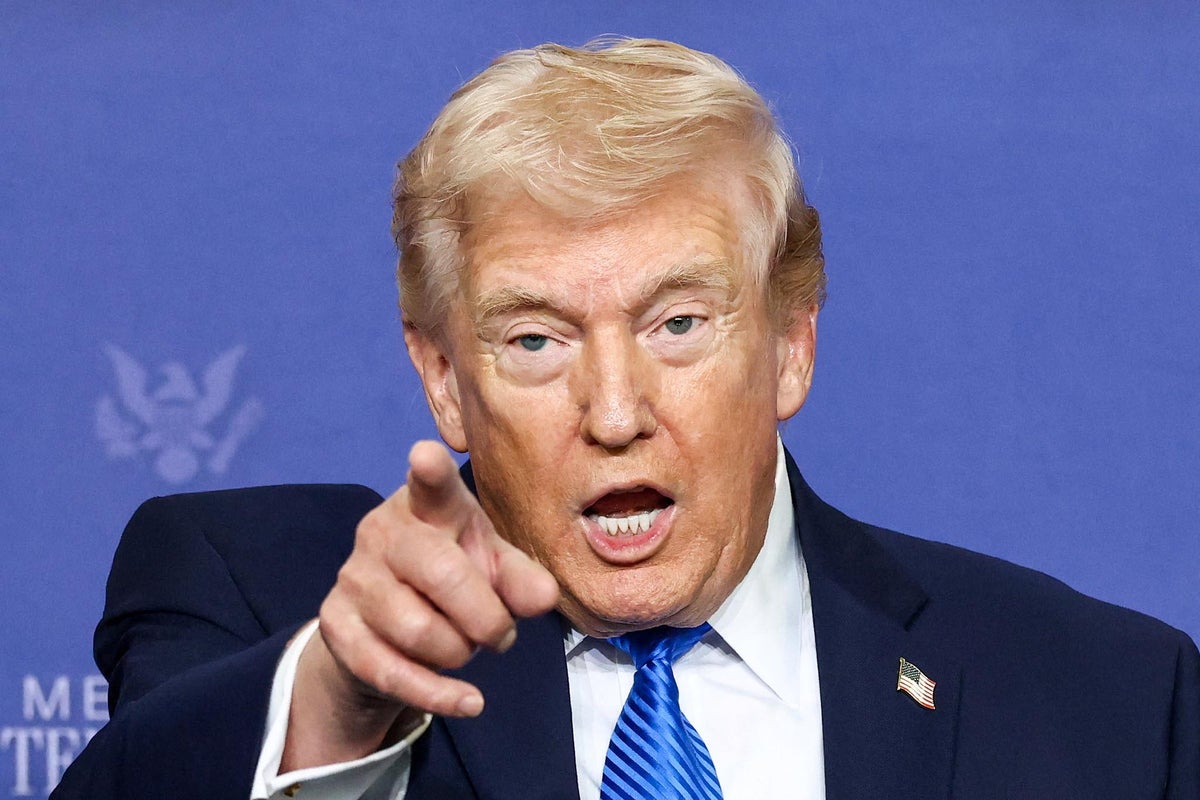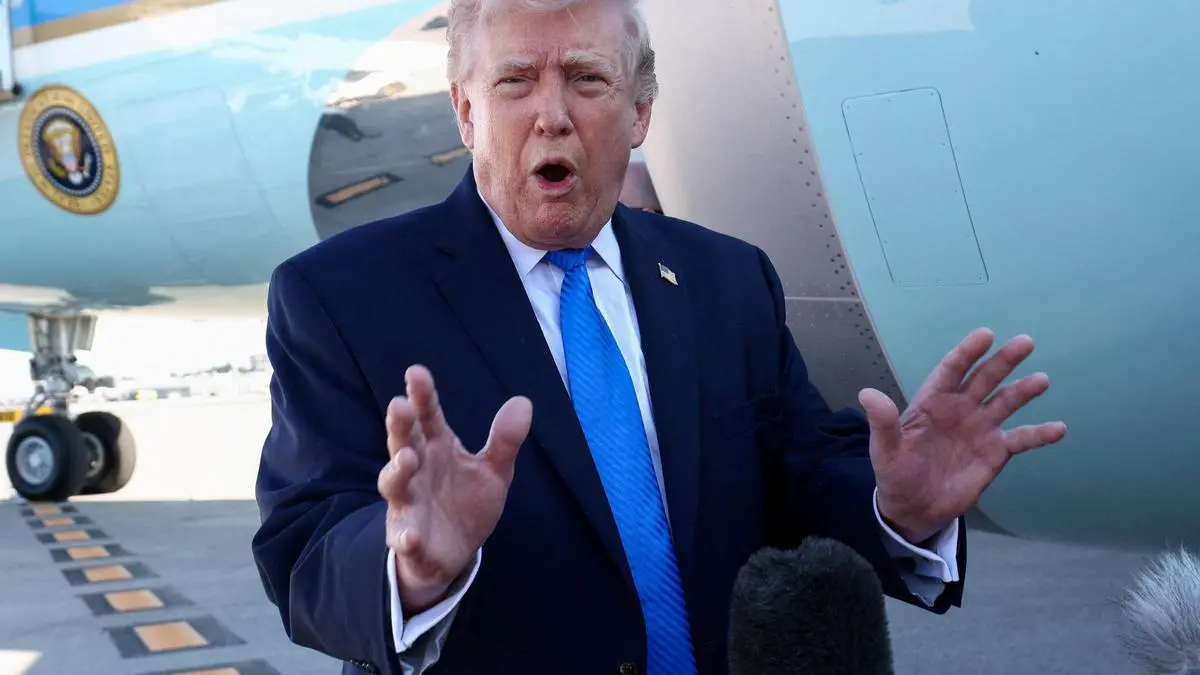
The headlines are currently screaming about "de-escalation" and "diplomatic windows." They want you to believe that Donald Trump delaying energy strikes on Iran for a five-day negotiation period is a sign of restraint. It isn't. It is a calculated strangulation of market predictability that serves no one but the speculators.
If you think this is about preventing a war, you are reading the wrong script. This is about weaponizing the "pause." In the world of high-stakes geopolitics, a five-day window isn't a bridge to peace; it is a vacuum that sucks the liquidity out of the energy markets and leaves global industry paralyzed. I have watched boards of directors freeze over less. When a superpower puts a countdown clock on the global oil supply, they aren't negotiating. They are holding a gun to the head of the global economy and asking why the pulse is so high.
The Myth of the Diplomatic Window
The consensus view suggests that diplomacy requires time and space. The reality? Diplomacy in the Middle East is a game of inertia. By setting an arbitrary five-day deadline, the administration hasn't created a space for talk; it has created a theater for performance.
When you tell the world you might blow up critical energy infrastructure on Saturday, but you're willing to talk until Thursday, you haven't lowered the temperature. You’ve just ensured that every algorithmic trader from New York to Hong Kong is going to spend the next 120 hours chasing ghost signals. This isn't "art of the deal" posturing. It is the institutionalization of volatility.
- The False Choice: We are told the options are "Strike Now" or "Wait and See."
- The Reality: Waiting is a form of striking. It forces Tehran to move its assets, it forces the IRGC into a defensive crouch, and it forces the Strait of Hormuz into a state of pre-emptive cardiac arrest.
Why Five Days is the Cruelest Number
Why not two days? Why not a month? Five days is the exact amount of time required to ensure that no actual policy can be drafted, but plenty of panic can be baked into the Brent Crude price.
I’ve seen energy traders lose their shirts on "calculated pauses." The "lazy consensus" in the media is that Trump is being "unpredictable" to gain leverage. That’s a polite way of saying he’s trashing the risk-assessment models that keep the global lights on. You cannot hedge against a mood swing. You cannot build a five-year CAPEX plan when the fundamental cost of your primary input is subject to a 120-hour countdown.
The Logistics of a Failed Bluff
Let’s look at the mechanics. If Iran actually intended to "negotiate" away its strategic positioning, they wouldn't do it under a ticking clock. History shows that forced concessions under immediate threat of kinetic action almost never stick. They are viewed as temporary retreats to be reclaimed the moment the pressure eases.
- Verification is Impossible: You cannot verify nuclear or military de-escalation in 120 hours. It takes weeks for IAEA inspectors to tie their shoes.
- The Hardline Incentive: By setting a short fuse, you empower the most radical elements within the Iranian domestic sphere. They can argue that any concession is a surrender to "the Great Satan’s" stopwatch.
- Market Whiplash: The moment the five days are up, if no strike occurs, the market crashes. If a strike does occur, it skyrockets. There is no "soft landing" for a deadline.
The Energy Strike Fallacy
The competitor article suggests that energy strikes are the ultimate leverage. This is fundamentally flawed. Attacking Iranian energy infrastructure is the geopolitical equivalent of a "scorched earth" policy that burns the neighbor's house to get rid of a termite infestation.
Iran isn’t just an oil producer; it is a nodal point in a complex, fragile web of regional stability. If you take those barrels off the market, you aren't just hurting Tehran. You are taxing every commuter in Ohio and every factory in Germany.
"Strategic patience is often just a mask for a lack of a Plan B."
The administration is betting that the threat of a strike is more valuable than the strike itself. But a threat only works if the other side believes you are willing to deal with the fallout of your own actions. If Trump hits the refineries, he kills the very economic "vibe shift" he’s trying to engineer at home. High gas prices are the one thing no incumbent or newly elected official can survive.
Dismantling the "People Also Ask" Delusions
Does a delay mean peace is likely?
No. It means the logistics of the strike weren't ready, or the back-channel communication was messy. Delay is a tactical reset, not a moral epiphany.
Will oil prices stabilize during the talk?
Absolutely not. Stability requires certainty. A deadline is the antithesis of certainty. Expect "jagged" trading—short bursts of extreme movement followed by eerie, low-volume silence.
Is this a win for the U.S.?
Only if the goal is chaos. If the goal is a restructured Middle East with a compliant Iran, this is a failure. You don't get a new regional order in five days. You get a temporary truce that smells like jet fuel.
The Shadow Play of Regional Actors
While Washington and Tehran stare at the clock, the rest of the world is moving.
- China: They are the primary buyers of Iranian "dark" oil. A five-day window gives Beijing five days to secure alternative routes and sign long-term deals with the Saudis or Russians, further insulating them from U.S. pressure.
- The GCC: The Gulf states are terrified. Not of the strike, but of the uncertainty. They need to know if they should prepare for a massive influx of shipping insurance hikes or if it's business as usual.
Imagine a scenario where the five days pass, nothing happens, and the deadline is extended. The U.S. loses all credibility. Now imagine the deadline passes and the strikes happen. The U.S. loses its economic stability. This is the "Deadlock Trap."
The Unconventional Advice for the C-Suite
Stop watching the news. The news is reporting on the theater.
If you are running a business dependent on energy costs, you need to stop trying to time the "Trump Window." The "contrarian" move here is to ignore the five-day hype cycle and look at the three-year moving average of regional instability. We are in a permanent state of "High-Frequency Geopolitics."
The real play isn't guessing if the strikes happen on day six. The real play is realizing that the era of "cheap, stable energy protected by U.S. hegemony" is over, regardless of what happens this weekend.
Stop treating this like a news event and start treating it like a structural shift. The delay isn't a "chance for peace." It's the final warning that the old rules of the energy market have been shredded.
If you’re waiting for Thursday to make your move, you’ve already lost. The smartest players in the room aren't looking at the five-day clock; they’re looking at the exit.
Don't buy the "restraint" narrative. This is just the silence before the scream.