The recent arrest of a short-term rental operator near Yosemite National Park on charges of possessing child sexual abuse material and recording guests without their consent is not an isolated incident of deviancy. It is the predictable outcome of a multibillion-dollar industry built on the erosion of the professional hotelier model. For years, the major platforms have outsourced safety to algorithms and automated background checks that are frequently reactive rather than preventative. When a host turns a secluded cabin into a high-tech panopticon, they aren't just breaking the law. They are exploiting a systemic lack of oversight that defines the modern sharing economy.
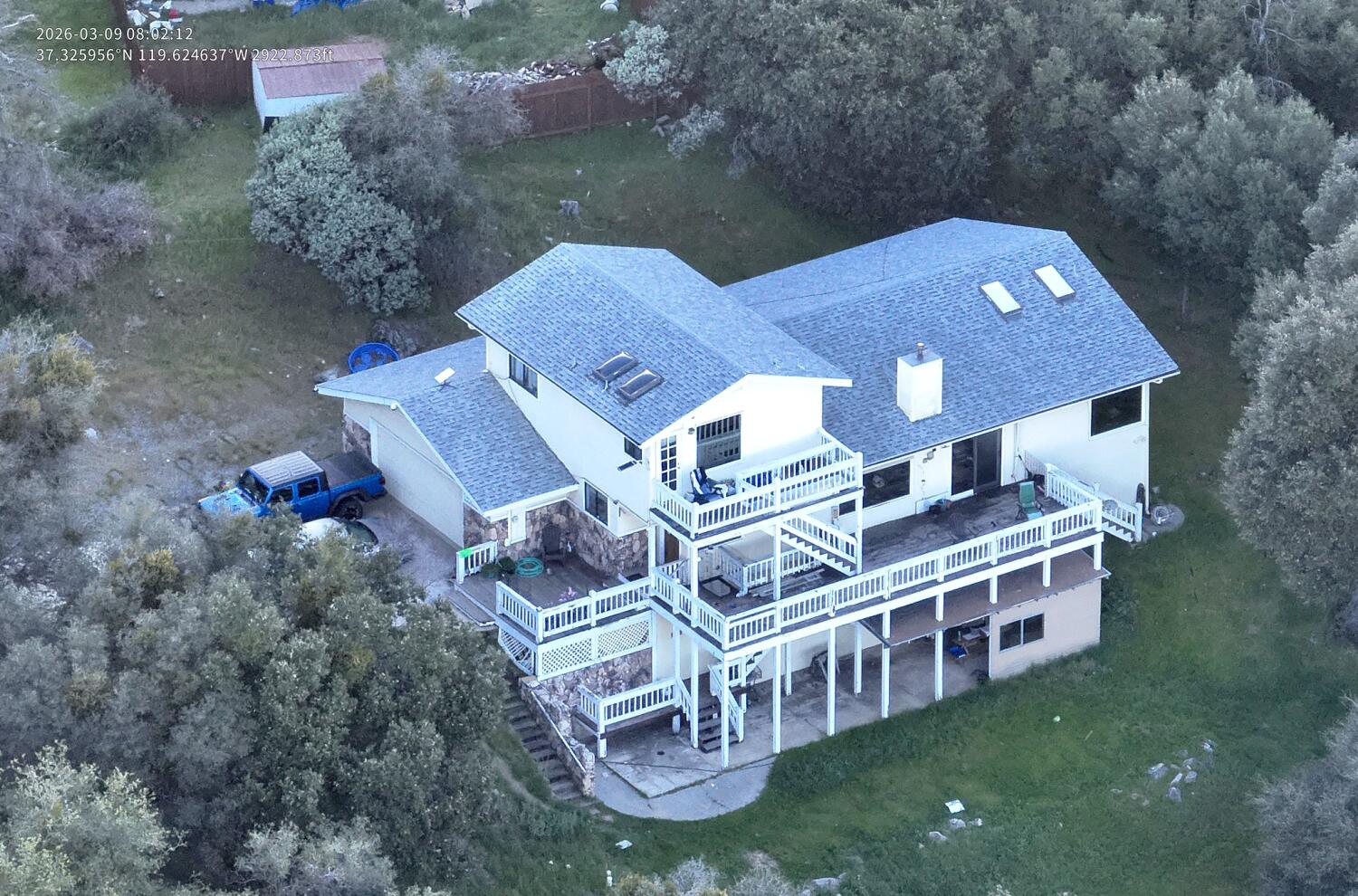
The Mariposa County Sheriff’s Office investigation into the Yosemite-area property revealed a dual-track nightmare. On one side, federal investigators flagged the suspect for the possession of illicit digital material. On the other, local authorities discovered hidden cameras positioned to capture the most private moments of unsuspecting travelers. This intersection of digital depravity and physical surveillance highlights the "black box" nature of independent rentals. Unlike a Hilton or a Marriott, where staff presence and corporate liability provide layers of protection, a remote Airbnb or Vrbo operates as a private fiefdom.
The industry is currently facing a reckoning. The trust that fueled the initial boom of home-sharing is evaporating as headlines regarding "spy cams" move from urban legends to police blotters.
The Illusion of the Digital Gatekeeper
Platform providers often point to their background check processes as a shield against bad actors. These checks are fundamentally flawed. Most services rely on public records and databases that only flag individuals with existing criminal convictions. A first-time offender or someone whose previous crimes haven't hit a specific database remains "verified." In the Yosemite case, the suspect managed to operate a high-traffic rental despite harboring interests that would eventually lead to a multi-agency raid.
The reality is that these platforms are technology companies, not hospitality companies. They prioritize the volume of listings over the rigor of inspection. A hotel undergoes fire marshal inspections, health department audits, and regular corporate quality control visits. A short-term rental is often only "inspected" through the lens of a guest review. If a camera is small enough or hidden behind a two-way mirror, the guest leaves a five-star review for the "cozy atmosphere," unknowingly subsidizing a predator's hobby.
The Architecture of Voyeurism
Modern surveillance technology has become terrifyingly accessible. A decade ago, setting up a hidden recording system required technical savvy and expensive hardware. Today, $40 on an e-commerce site buys a functional 4K camera disguised as a smoke detector, an alarm clock, or even a USB wall charger. These devices connect to Wi-Fi, allowing a host to stream live footage directly to their phone from anywhere in the world.
The Problem of Passive Consent
When you enter a hotel, there is an implicit understanding of where cameras are located—the lobby, the elevators, the hallways. In a private home, the lines are blurred. Platforms have attempted to tighten their policies, with Airbnb recently banning indoor security cameras entirely, regardless of their location or whether they are turned on. However, a policy change is not an enforcement mechanism. Without physical inspections, a ban is merely a suggestion that honest people follow and criminals ignore.
The Yosemite incident underscores a specific vulnerability: the "destination" rental. People traveling to national parks or remote retreats are looking for isolation. They want to be away from the world. Predators know this. They choose properties in areas with limited cell service or where the nearest neighbor is miles away, increasing the power imbalance between the host and the guest.
Legal Limbo and the Liability Gap
Why aren't these platforms held more accountable when a guest's privacy is violated? The answer lies in the Terms of Service. These companies position themselves as mere intermediaries—digital bulletin boards connecting two private parties. When a crime occurs, they offer refunds and "permanent bans," but the legal liability typically stops at the host’s front door.
Victims of rental surveillance often find that seeking justice is a grueling process. Local police departments in rural areas may lack the digital forensics expertise to properly sweep a home or analyze a host's hard drives. In the Mariposa County case, it took the involvement of federal authorities tracking digital footprints to break the case wide open. Most guests who suspect they are being watched don't have the resources of the FBI at their back. They simply leave, feeling violated but unsure if they have enough "proof" to call the police.
The Economic Incentive for Negligence
There is a financial reason why platforms don't mandate physical inspections. It would destroy their margins. To inspect every one of the millions of listings globally would require an army of employees and a logistical infrastructure that would make the business model unviable. They have traded safety for scale. By offloading the responsibility of "vetting" to the guest review system, they have created a market where the most dangerous hosts can hide in plain sight behind a wall of positive feedback.
How Travelers Are Fighting Back
Because the industry has failed to regulate itself effectively, a secondary market of counter-surveillance tools and "travel safety" influencers has emerged. Travelers are now being told to carry infrared light detectors to find camera lenses and to scan local Wi-Fi networks for suspicious devices.
- Network Scanning: Apps that list every device connected to the house Wi-Fi can sometimes reveal a "hidden" camera, though sophisticated hosts will put their surveillance on a separate, hidden SSID.
- Physical Audits: Checking "stationary" objects that seem out of place—like a clock facing the bed or a shower gel bottle with a strange hole in the label.
- Hardware Disconnection: The growing trend of guests unplugging any electronic device they didn't bring themselves.
The fact that a vacationer feels the need to perform a sweep of their bedroom for recording devices is a damning indictment of the current short-term rental environment. It turns a period of rest into a state of hyper-vigilance.
The Professionalization Paradox
There is a growing movement to move short-term rentals into the same regulatory category as hotels. This would mean mandatory licensing, regular inspections, and strict adherence to privacy laws. Many hosts fight this, claiming it kills the "spirit" of the sharing economy. But the Yosemite case proves that the "spirit" of the sharing economy is being used as a cloak for criminal activity.
If a property is being used as a commercial enterprise, it should be regulated as one. The "it’s just my guest house" excuse no longer holds water when that guest house is generating $50,000 a year and hosting hundreds of strangers.
A Broken Trust Model
The Yosemite suspect was someone the community and the platform presumably trusted. He had the keys to the kingdom because the system is designed to trust by default. We are moving toward a future where the "unregulated" nature of these stays will become a luxury for the brave or a trap for the unaware.
The industry is at a fork in the road. It can continue to provide a platform for predators by prioritizing growth, or it can accept that the era of "trust us" is over. Real safety requires more than a software update; it requires a fundamental shift in how we define a "safe" place to sleep. Until the platforms are held legally responsible for the actions of the hosts they profit from, the cameras will keep rolling.
The next time you book a secluded getaway, ask yourself why the host is so insistent on the Wi-Fi staying on. Examine the "smoke detector" above the bed. The privacy you think you’re buying might just be an illusion maintained for the benefit of a lens you can’t see.
Search for your own name on the guest Wi-Fi logs of your next rental to see what the host can see about you.