A young man named Arash stands in the dust of Shiraz, looking up at the colossal stone bull heads of Persepolis. These ruins have survived Alexander the Great’s torches, the shifting sands of two millennia, and the slow erosion of the Iranian plateau’s wind. To Arash, they are not just tourist attractions or UNESCO designations. They are the bones of his identity.
But today, the air feels different. It carries the metallic tang of a modern storm. In similar updates, take a look at: The Sabotage of the Sultans.
Halfway across the globe, in a dimly lit briefing room, a Marine officer checks the seal on his gear. He isn’t thinking about the Achaemenid Empire or the intricate carvings of the Apadana. He is thinking about logistics, extraction points, and the heavy weight of a rifle he has carried through too many deserts already. Two lives, thousands of miles apart, are now bound by a single, terrifying thread of geopolitical brinkmanship.
The world watched as headlines flickered with a chilling new reality: Iran’s leadership has pointed a finger at the very cradle of its history. They have suggested that if the pressure from the West does not yield, the world’s shared cultural heritage—the mosques, the ancient squares, the ruins—could become the backdrop for a final, desperate stand. It is a gamble with the soul of a nation. Al Jazeera has analyzed this critical subject in extensive detail.
The Weight of the Stone
When we talk about "tourism sites," we often think of gift shops and guided tours. We forget that these places are the anchors of our collective memory. To threaten a site like Naqsh-e Jahan Square in Isfahan is not just to threaten a patch of blue-tiled beauty. It is an assault on the idea that anything can be permanent.
Imagine a father taking his daughter to see the tomb of Cyrus the Great. He wants to tell her about the first charter of human rights. Instead, he finds himself looking at the sky, wondering if the next sound he hears will be the roar of a jet. This isn't a hypothetical fear for those living in the shadow of these monuments; it is a tightening in the chest that comes with every news alert.
The irony is thick enough to choke on. A government claiming to protect its people is using the very symbols of those people’s greatness as a shield—or a target. It is a psychological chess move designed to make the international community flinch. And it works. Because even those who have never set foot in Iran know that once a three-thousand-year-old pillar is turned to gravel, it never comes back.
The Iron Fist in the Velvet Glove
While the rhetoric heats up in Tehran, the response from Washington follows a familiar, rhythmic pattern of escalation. More Marines are moving. More ships are cutting through the turquoise waters of the Persian Gulf.
The U.S. military machine is a creature of momentum. Once the orders are signed, the gears turn with a deafening grind. These young men and women, many of whom were children when the last "forever war" began, are being funneled back into a region that seems incapable of finding peace. They represent the "hard power" that stands in stark contrast to the "soft power" of the cultural sites now under threat.
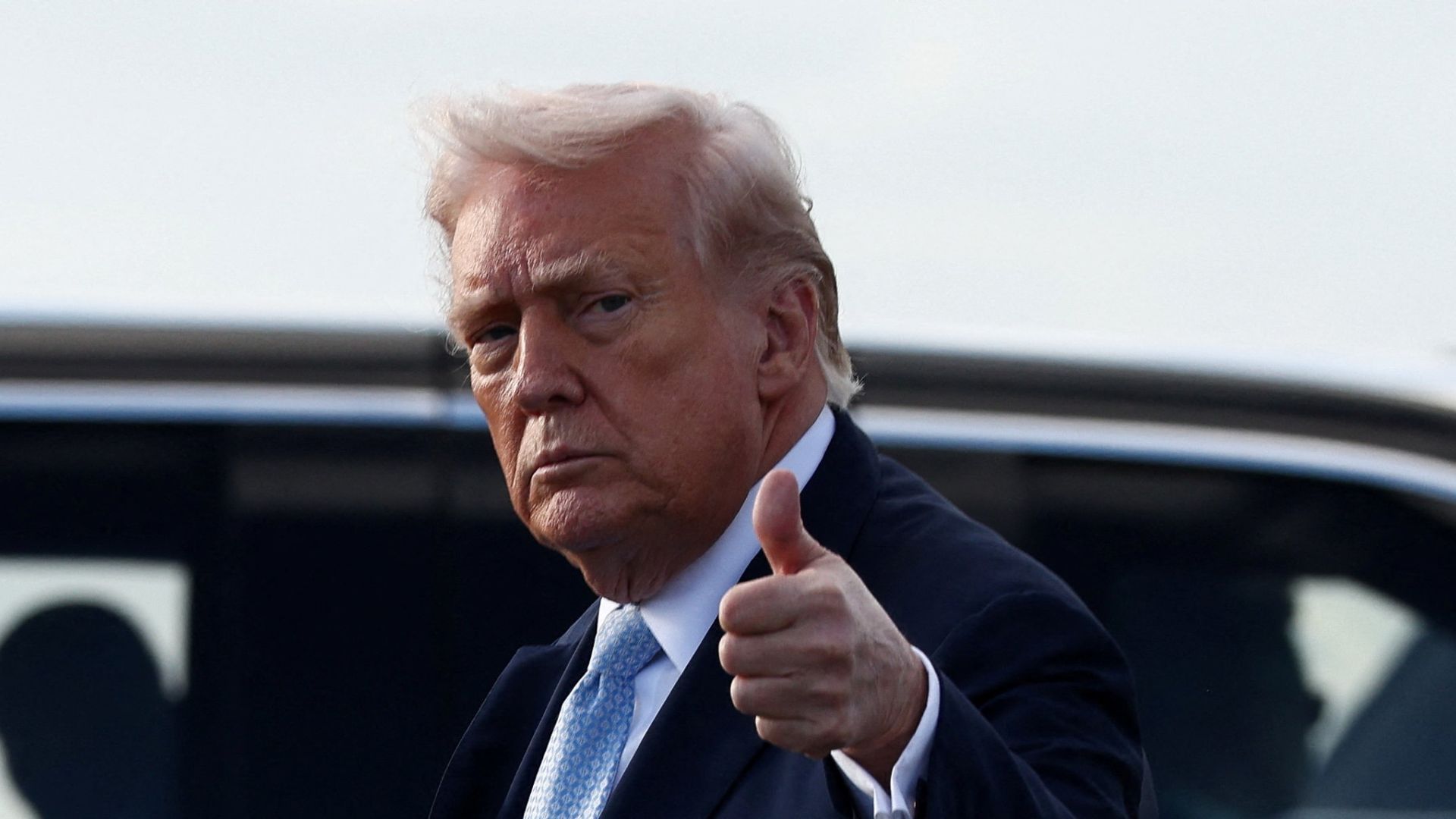
Yet, there is a strange dissonance in the air. Even as the boots hit the ground, the American President hints at a "wind-down." It is a confusing signal, a mixture of a clenched fist and an open hand. To the soldier on the deck of a transport ship, the message is muddled. Are they there to fight, or are they the final witnesses to a long, messy exit?
This ambiguity is where the real danger lives. In the gap between a threat and a withdrawal, mistakes happen. Miscalculations in the Strait of Hormuz or a stray comment on social media can ignite a fire that neither side actually wants to fight.
The Invisible Stakes of the Everyday
While the giants argue, the small people of the world hold their breath.
Think of the shopkeeper in the Tehran bazaar whose livelihood depends on the trickle of adventurous European tourists. Think of the student in California whose family is trapped behind a wall of sanctions and travel bans. The "invisible stakes" are the weddings that won't happen, the businesses that will fail, and the quiet, creeping dread that the world is shrinking.
We often view these conflicts through the lens of "interests." Oil prices. Strategic depth. Regional hegemony. But these are cold, lifeless words. The reality is the smell of saffron and diesel fuel. It is the sound of a mother’s voice over a crackling WhatsApp call, telling her son not to come home for the holidays because it isn't safe.
The U.S. deployment of additional Marines isn't just a military maneuver; it’s a statement of presence in a world that feels like it’s slipping out of control. It’s an attempt to hold a line that is drawn in shifting sand.
A Heritage Held Hostage
There is a specific kind of cruelty in using history as a weapon. When a leader mentions "cultural sites," they are tapping into a deep, primal fear. They are saying: We will burn the past to spite the future.
It is a tactic of the desperate.
The ruins of Persepolis have seen empires rise and fall. They have seen the coming of Islam, the Mongol invasions, the Pahlavi dynasty, and the Revolution. They are silent witnesses. They do not care about the 24-hour news cycle or the political fortunes of men in suits. But they are fragile. A single missile, a single lapse in judgment, and a piece of the human story is erased forever.
The tragedy is that the "wind-down" promised by the U.S. administration seems increasingly like a mirage. You cannot easily walk away from a house that is on fire, especially when you helped pile the kindling. The Marines sent to the region are there to ensure an orderly exit, but their very presence creates a new set of tensions. It is a paradox of power: the more you use it to create stability, the more unstable the ground becomes.
The Long Walk Home
Arash leaves the ruins as the sun begins to set, casting long, distorted shadows across the plain. The stone bulls seem to watch him go. He wonders if his children will see them, or if they will only know Persepolis through grainy photographs and stories told in the dark.
The news will continue to churn. The Marines will continue to land. The threats will be issued and then walked back in a dizzying dance of diplomacy and ego.
But at the center of it all is a simple, devastating truth. We are all caretakers of a world we didn't build. Whether we are a Marine in a flak jacket or a student in Shiraz, we are the temporary inhabitants of a history that belongs to everyone. When we threaten the stones, we threaten ourselves.
The wind-down may come, or the storm may break. Either way, the bulls of Persepolis will continue to stare into the distance, waiting to see if we are wise enough to leave them standing.
The silence of the ruins is the only thing louder than the drums of war.