Cuba’s lights are flickering out. Not just in a few neighborhoods, but across the entire island. When the national power grid collapsed multiple times in late 2024, it wasn't just a technical glitch. It was a loud, dark signal that the country's energy infrastructure is screaming for help. Now, Russia is stepping in with a massive lifeline. It's a move that feels like a throwback to the Cold War, but the stakes in 2026 are purely about survival and strategic positioning in the Caribbean.
You’ve likely seen the headlines about "solidarity" and "brotherhood" between Moscow and Havana. Forget the fluff. This is about oil, aging Soviet-era machinery, and a desperate need for stability. Cuba’s energy crisis is a perfect storm of decades-old equipment, a lack of hard currency to buy fuel, and the devastating impact of hurricanes that tear through an already brittle system. Russia isn't just sending a few generators. They’re providing the literal fuel that keeps the Cuban heart beating.
The Brutal Reality of the Cuban Blackout
Imagine living in a world where "scheduled" power outages last 12 to 18 hours a day. That’s the norm for millions of Cubans right now. The Antonio Guiteras power plant, the island's largest, is a relic. It breaks down so often it’s become a national meme of frustration. When it trips, the whole system often follows like a house of cards.
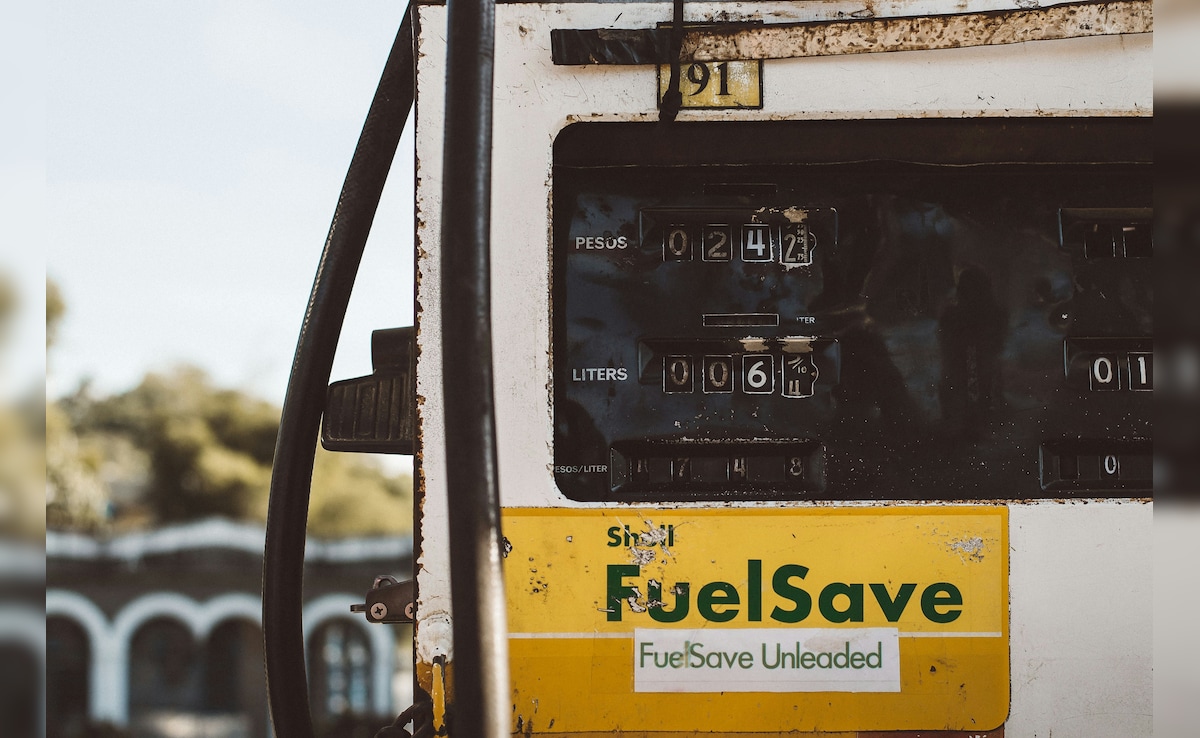
Russia’s commitment involves shipping 80,000 tons of diesel and providing $62 million in emergency aid specifically for the energy sector. That’s a lot of fuel. But it’s a band-aid on a gunshot wound. Most of Cuba’s thermal power plants are over 40 years old. They were built with Soviet technology, which is exactly why Russia is the only partner that truly understands how to fix them. You can't just plug a modern Western part into a 1970s Leningrad-built boiler. It doesn't work that way.
The crisis peaked when Hurricane Ian and subsequent storms battered the island, but the rot was there long before the wind started blowing. Cuba produces some of its own heavy crude, but it’s high in sulfur. It eats the pipes. It corrodes the machinery. Without the lighter Russian oil to blend it with, the plants literally choke on their own fuel.
Moscow’s Strategy Beyond the Fuel Tank
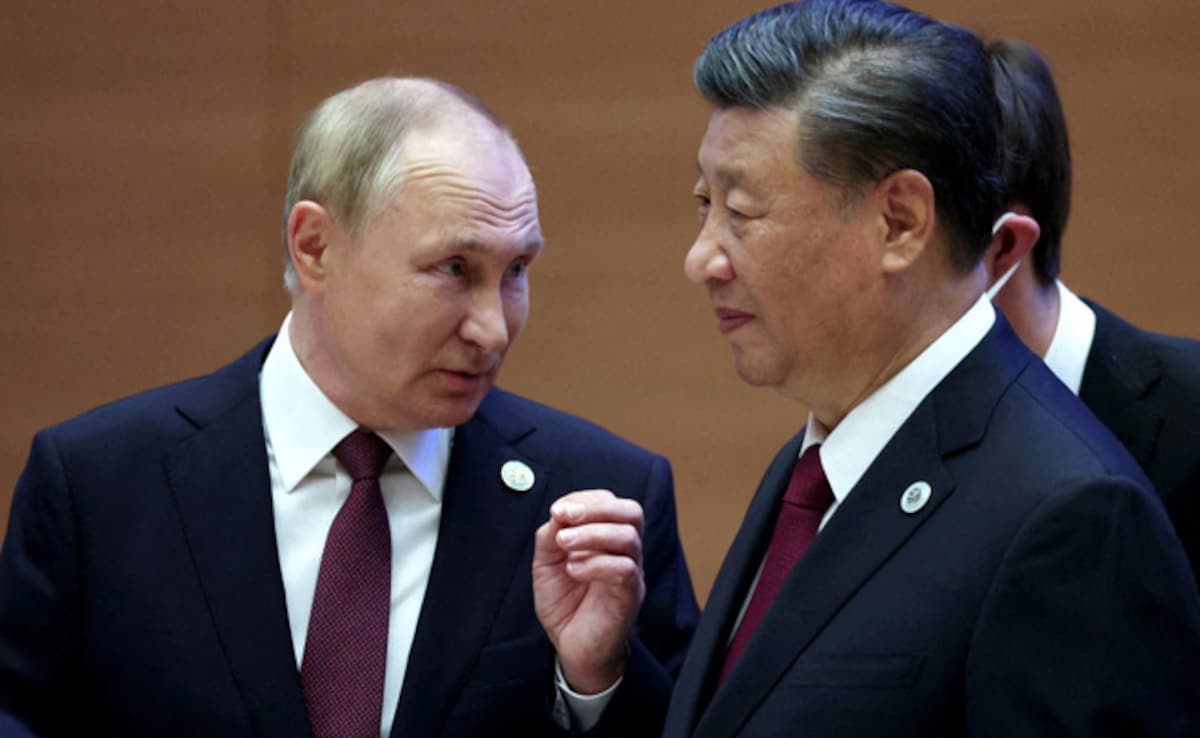
Why is Vladimir Putin sending millions in aid when Russia is tied up with its own massive geopolitical struggles? It’s not charity. Russia needs friends near the United States, and Cuba is the ultimate "unsinkable aircraft carrier" in the West. By saving the Cuban energy grid, Russia secures a loyal ally and maintains a footprint just 90 miles from Florida.
They’re also looking at the long game. Russian companies like Zarubezhneft are already deep into Cuban oil exploration. By stabilizing the grid now, they ensure that their future investments in Cuban mineral resources don't literally sit in the dark. It’s a trade-off. Russia provides the energy security today, and in return, they get preferential access to Cuban markets and ports tomorrow.
We also have to talk about the "energy sovereignty" angle. Cuba’s leadership is terrified of total social collapse. We saw the protests in July 2021. People don't just take to the streets for politics; they do it because they can't cook food or sleep in the heat without a fan. Russia knows this. Keeping the lights on is the most effective way to keep the current Cuban government in power.
Why Solar and Wind Aren’t the Quick Fix
I hear this a lot. "Why doesn't Cuba just go green?" It sounds great on paper. The island has plenty of sun and wind. But you can't run a 24/7 industrial economy on solar panels when you don't have the battery capacity to store the energy. And batteries are expensive.
Cuba has a goal to reach 24% renewable energy by 2030. They’re currently nowhere near that. Transitioning a national grid requires billions of dollars in upfront investment. When you’re struggling to buy basic medicine and flour, you don't have $5 billion for a massive solar farm. Russia’s help focuses on what exists right now: thermal plants and diesel generators. It’s dirty, it’s old, but it’s the only thing that works immediately.
The Russian Deputy Prime Minister, Dmitry Chernyshenko, has been the face of this outreach. He’s pushed for more than just fuel shipments. We're talking about a full-scale "transformation" of the Cuban economic model. This includes allowing Russian banks to operate on the island and using the Mir payment system. This isn't just an energy deal. It’s an economic integration.
The American Shadow Over the Grid
You can't discuss Cuba’s energy without mentioning the U.S. embargo. It makes everything three times more expensive. If a Cuban plant needs a specific valve, they can't just order it from a supplier in Miami. They have to find a middleman in a third country, pay a premium, and wait weeks for shipping. This "sanction tax" has drained the Cuban treasury for years.
Russia uses this to their advantage. They frame themselves as the "reliable partner" that doesn't place conditions on aid. While the U.S. remains locked in a policy of "maximum pressure," Russia is filling the vacuum. It’s a classic geopolitical play. If you leave a door closed long enough, someone else is going to walk through it.
What This Means for Your Travel and Business Plans
If you’re thinking about visiting Cuba or looking at the region from a business perspective, the energy situation is the single most important factor to track. Large resorts often have their own massive generators, so tourists rarely feel the full weight of the blackout. But the "real" Cuba—the small businesses, the private restaurants, the local transport—is struggling.
Russia’s intervention might prevent a total collapse, but it won't bring 24/7 power back to every home overnight. Expect continued instability. The shipments of diesel will provide a temporary cushion, but the structural repairs to the plants will take years.
Stay informed by watching the shipping lanes. Keep an eye on the tankers moving from the Black Sea toward Havana. Those ships are the only thing standing between Cuba and total darkness. If those shipments stop, the island’s economy grinds to a halt within days.
If you're planning to engage with the Cuban market, focus on energy-efficient tech or independent power solutions. Don't rely on the national grid. The smart move is to assume the grid will remain unreliable for the foreseeable future, regardless of how much help comes from Moscow. Look for partnerships that involve decentralized energy, as the central system is too far gone for a quick fix. Prepare for a long, slow recovery that depends entirely on foreign tankers and aging Soviet blueprints.