Centralizing power is the oldest trap in the political playbook.
The recent buzz surrounding a national eligible voter list and a "tightened" mail-in ballot system is being sold as a triumph of efficiency and security. It is neither. It is a massive, expensive, and dangerously fragile attempt to fix a problem that does not exist in the way you think it does. The mainstream narrative screams for "uniformity," but in the world of electoral integrity, uniformity is the ultimate vulnerability.
We have been conditioned to believe that a fragmented, decentralized system of 3,143 counties is a mess. It isn’t. It’s a distributed network. It’s the ultimate firewall. When you create a single, national "eligible voter list," you aren’t securing the vote; you are creating a single point of failure for every hacker, foreign adversary, and partisan bureaucrat on the planet.
The Efficiency Fallacy
The competitor’s argument rests on a lazy assumption: that more data in one place equals more accuracy. Anyone who has ever managed a CRM for a Fortune 500 company knows this is a lie. Data decays. People move, die, or change names at a rate that outpaces any federal agency's ability to sync.
By moving toward a national database, we aren't cleaning the rolls. We are institutionalizing errors. A mistake at the local level affects a precinct. A glitch in a national database—or a "tightening" of the rules that misinterprets a data set from the SSA or DMV—disenfranchises millions in a single keystroke.
The Security Theatre of Mail-In "Tightening"
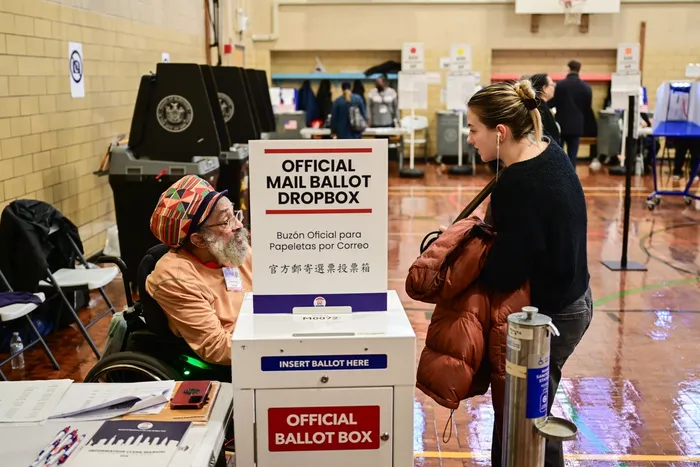
The obsession with mail-in ballot "tightening" misses the forest for the trees. Most proposed "fixes" focus on adding layers of administrative friction that do nothing to stop actual fraud but do everything to increase the likelihood of human error.
If the goal is truly security, we should be looking at the chain of custody, not the eligibility list. A national list doesn't stop a ballot from being lost in the mail or improperly handled by a volunteer. It just makes the paperwork harder for the person who actually lives at the address.
I’ve watched organizations waste years trying to "centralize" operations to save costs, only to find that the local nuances were the only thing keeping the gears turning. Elections are no different. The "chaos" of local control is actually a feature of American federalism, not a bug. It forces any would-be manipulator to win three thousand different battles instead of just one.
The Hidden Cost of Federal Overreach
The push for a national list ignores the Tenth Amendment and the practical reality of how states operate. When the federal government steps in to "help" with voter rolls, they bring with them the same speed and accuracy that gave us the FAFSA rollout disaster or the early days of Healthcare.gov.
Do you really want the same entity that manages the IRS or the VA to be the sole arbiter of who is "eligible" to vote?
The Real Threat: Algorithmic Purges
The danger isn't just about who gets on the list; it’s about how they get taken off. National databases rely on automated cross-matching. If your name is John Smith and you moved from Ohio to Florida, an algorithm decides your fate.
In a decentralized system, a local clerk who knows the community can flag a discrepancy. In a nationalized system, you are just a row in a SQL database. When the "eligible voter list" gets "tightened," it means the sensitivity of the purge algorithm gets turned up.
We are trading human oversight for a black box.
Why Decentralization is the Only Real Security
In cybersecurity, we talk about "air-gapped" systems. By keeping voter rolls at the state and county level, we effectively air-gap our elections. A breach in Maricopa County does not compromise the data in Fulton County.
A national list ends that protection. It creates a "Golden Record" that, once compromised, ruins the entire system. It is the political equivalent of putting all your money into a single crypto wallet and then handing the private key to a government intern.
Stop Asking for a Cleaner List and Start Demanding Better Processes
The "People Also Ask" sections of the internet are filled with queries about how to "clean up" the rolls. They’re asking the wrong question. A "clean" roll is a snapshot in time that is wrong the second it is printed.
Instead of a nationalized list, we should be doubling down on:
- Local Auditability: Give local observers more access, not less.
- Transparent Chain of Custody: Focus on the physical ballot, not the digital name.
- Redundancy over Efficiency: It should be hard to manage 50 different state systems. That’s why it’s hard to hack them all at once.
The Illusion of Reform
The executive order isn't a fix; it’s a consolidation of influence. It positions the federal government as the gatekeeper of the most fundamental right in a republic. If you believe that "tightening" the system through federal mandates makes it safer, you haven't been paying attention to how power actually works.
Real security is messy. It’s local. It’s inconvenient. It’s handled by people you can actually go talk to at a county office, not a nameless bureaucrat in a D.C. office park.
Centralization is the precursor to control. If you give one office the power to define the "National Eligible Voter List," you have given them the power to decide who counts and who disappears.
Stop cheering for the "tightening" of the system. You’re just watching the handcuffs click into place.