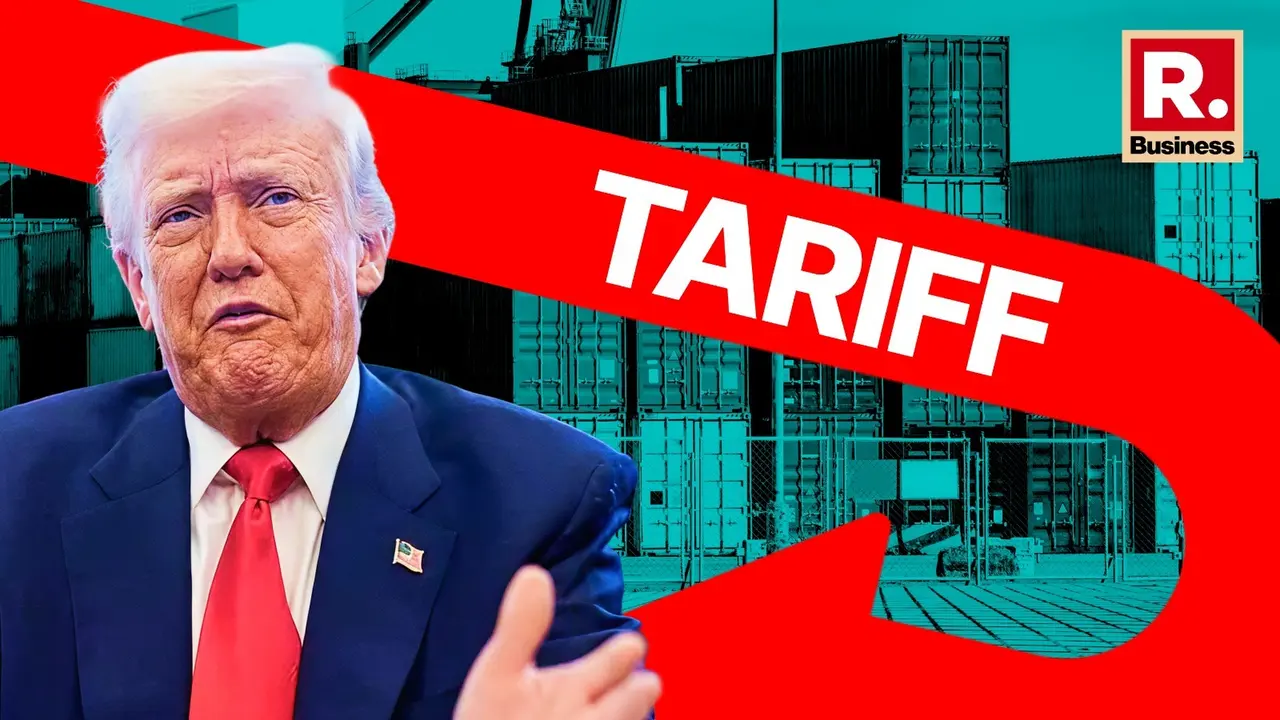
The White House just confirmed what many in Washington have whispered for weeks. President Trump is set to address the nation regarding a massive shift in U.S. strategy toward Iran. It’s not just another speech. This is the culmination of a high-stakes standoff that’s been simmering since the start of his second term. If you’ve been following the headlines about "Operation Epic Fury," you know the stakes couldn't be higher.
For the average person, this might feel like a repeat of 2020. Back then, we saw the strike on Qassem Soleimani and the subsequent missile attacks on Al-Asad airbase. But 2026 is different. The rhetoric has shifted from deterrence to what the administration calls "maximum pressure restored." This upcoming address will likely define the next decade of Middle Eastern geopolitics. Also making waves in related news: The Kinetic Deficit Dynamics of Pakistan Afghanistan Cross Border Conflict.
The end of strategic patience
The White House has signaled that the President will lay out a specific case for why current military operations are necessary. According to a recent fact sheet from the administration, the goal is "denying Iran all paths to a nuclear weapon" and neutralizing its "terrorist network." I’ve seen this play out before, but the scale today is much larger.
The administration points to several key reasons for this escalation: Additional insights into this topic are explored by USA Today.
- The alleged resumption of nuclear enrichment at sites like Fordo and Natanz.
- Continued proxy attacks on U.S. naval vessels and international shipping lines.
- Recent internal unrest in Iran that the U.S. believes warrants international support for the Iranian people.
Critics say this is an overreach of executive power. Organizations like the Brennan Center for Justice have already raised alarms, arguing that these "major combat operations" lack the congressional authorization required by the Constitution. They’re calling it a "unilateral" move that could lead to a prolonged conflict. But the White House isn't blinking. They see this as a "noble mission" to ensure a nuclear-armed Iran never happens.
What to watch for in the address
When Trump takes the podium, don't just listen to the soundbites. Watch for specific mentions of NATO's role and the "Strait of Hormuz." These are the pressure points. The President has been vocal about wanting allies to pick up more of the slack—and more of the bill—for regional security.
You should also look for updates on "Operation Midnight Hammer." This was the operation back in June that reportedly targeted Iranian nuclear facilities. The President is expected to link those past actions to today’s military posture. He wants to show a clear, unwavering line of logic.
The economic ripple effect
War isn't just about missiles. It’s about markets. The moment the White House announced this address, oil prices started twitching. We’re the number-one producer of oil and natural gas now, so we aren't as dependent on the Middle East as we were in the 70s. However, global markets are interconnected. A flare-up in the Gulf still hits your wallet at the gas pump.
The Treasury Department is already moving to "drive Iran’s oil exports to zero." This isn't just a suggestion. It’s a full-scale economic blockade. If you’re involved in shipping, insurance, or international trade, you’re already feeling the heat from new enforcement mechanisms.
Immediate steps to stay informed
This situation is moving fast. Don't rely on a single news source or a 15-second social media clip.
- Watch the full address: Context matters. Soundbites often strip away the "why" behind the "what."
- Monitor energy markets: If you see a sustained spike in crude oil, expect that to hit consumer goods within weeks.
- Check State Department travel advisories: If you have business or family in the region, the security landscape just changed overnight.
The White House is framing this as the only way to avoid a larger war down the road. Whether you agree or not, the "maximum pressure" era is back in full force. The message to Tehran is clear: the days of "tolerance" are over.