The Western media loves a martyr story. They see a fighter in Southern Lebanon and they immediately reach for the "religious zealot" template. They tell you Hezbollah is embracing a costly war with Israel because of ancient grievances or a blind adherence to the "Axis of Resistance."
They are wrong. They are looking at a chess board and describing the wood grain instead of the moves.
Hezbollah isn’t "embracing" an unpopular war out of some suicidal ideological impulse. That is a lazy narrative for people who don’t want to look at the cold, hard mechanics of regional leverage. This isn’t about popularity. It’s about a calculated, professional military organization protecting its domestic monopoly on power by ensuring the border stays hot enough to justify its existence, but cool enough to avoid total decapitation.
If you think this is about "unpopular" wars, you’ve already lost the plot. In the world of non-state actors with state-level ballistics, popularity is a luxury. Survival and relevance are the only currencies that matter.
The Popularity Trap
Mainstream analysts keep pointing to Lebanon’s economic collapse. They argue that because the Lebanese people are starving and the currency is worth less than the paper it’s printed on, Hezbollah is "losing the room."
This is a fundamental misunderstanding of how power functions in a fractured state. Hezbollah does not need a 51% approval rating to function. It needs a dedicated, well-funded 20% and a disorganized, terrified 80%.
The "unpopularity" of the war is a feature, not a bug. By engaging in a high-stakes standoff with Israel, Hezbollah forces the rest of the Lebanese political class into a corner. They become the only shield. When the bombs start falling, nobody cares about your stance on central bank reform. They care about who has the Kornet missiles.
I’ve seen this play out in failed states across the globe. Conflict creates a "security rent." As long as there is an external threat, Hezbollah can collect that rent. The moment there is true peace, the Lebanese public starts asking uncomfortable questions about why a private militia holds the country’s foreign policy hostage.
The Cost of War vs. The Cost of Peace
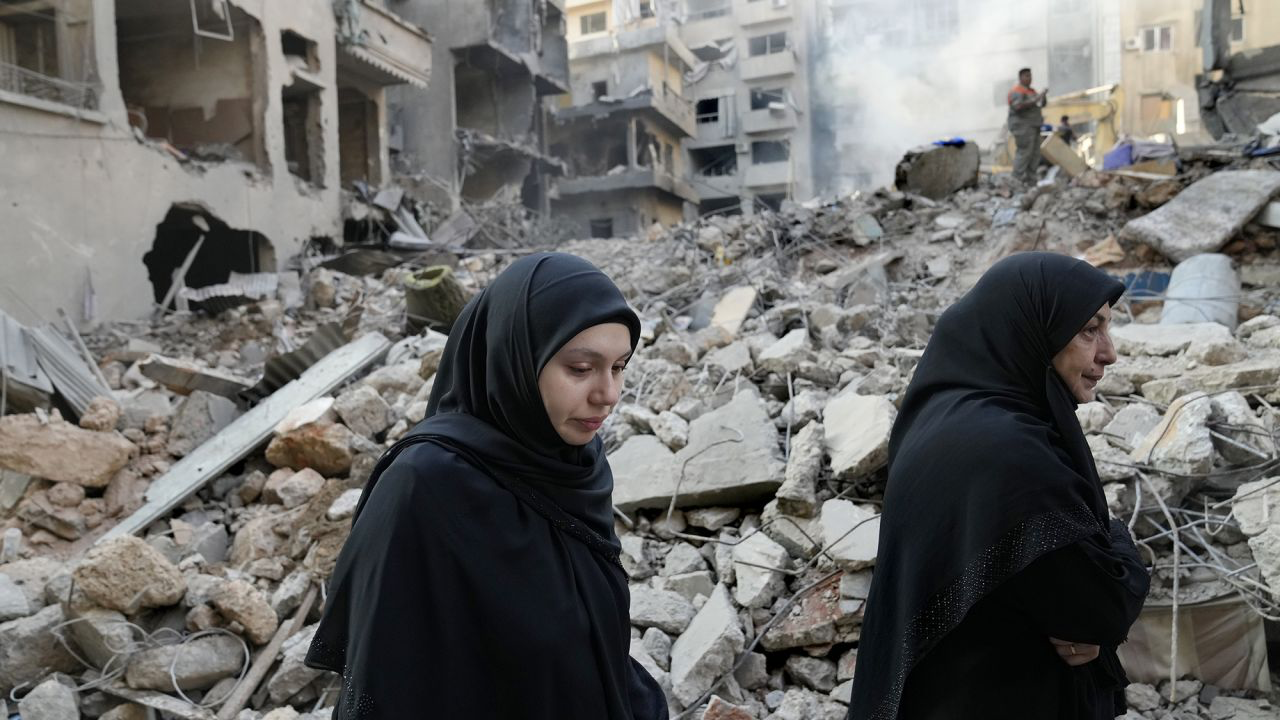
The competitor's piece bleeds heart for the "costly" nature of this conflict. Yes, the infrastructure damage in the south is staggering. Yes, the displacement of tens of thousands is a humanitarian disaster.
But from a strategic perspective, the cost of not fighting is higher for Hezbollah.
Imagine a scenario where Hezbollah lays down its arms and integrates into the Lebanese Armed Forces.
- They lose their direct funding pipeline from Tehran.
- They lose their veto power over the Lebanese cabinet.
- They become just another corrupt political party in a sea of failing institutions.
For the leadership in Dahiya, the "costly war" is a business expense. It’s the price of maintaining a state-within-a-state. They aren't embracing the war because they love destruction; they are embracing it because the alternative is political irrelevance.
The Myth of Iranian Puppetry
Stop calling them proxies. It’s a middle-school level simplification.
The relationship between Tehran and Hezbollah is a partnership of necessity, not a master-slave dynamic. Hezbollah provides Iran with a Mediterranean "forward base," and in return, Iran provides the hardware. But Hezbollah has its own agency. They aren’t fighting Israel because Tehran told them to; they are fighting because if they don't, they lose their brand.
Hezbollah is a brand. That brand is "The Resistance." If a brand stops producing its core product, it dies. Their product is conflict with Israel.
The Precision Fallacy
We hear a lot about Israel’s "surgical" strikes and Hezbollah’s "aging" arsenal. This is a tech-bro’s view of warfare.
In a war of attrition, precision is secondary to volume and persistence. You don't need a $100,000 smart bomb to paralyze Northern Israel. You need a $500 drone or a steady stream of unguided Katyusha rockets.
Hezbollah’s strategy isn't to "win" a conventional war. They know they can't. Their goal is to make the cost of Israeli security so high that the Israeli public tires of the northern border being a ghost town. They are playing a psychological game, not a kinetic one. They aren't trying to destroy the IDF; they are trying to destroy the Israeli sense of normalcy.
The Real Data on the Ground
Look at the numbers that actually matter:
- Displacement: Over 80,000 Israelis moved from the north.
- Economic Stagnation: Northern Israeli agriculture and tourism are in a coma.
- Buffer Zones: Hezbollah has effectively created a "no-go" zone inside Israel, without ever occupying an inch of territory.
That is a victory in their books. It doesn't matter if 70% of Beirut hates them for it.
The Failure of "People Also Ask" Logic
When people ask, "Why doesn't the Lebanese army stop them?" they are asking a fundamentally flawed question. The Lebanese army is a collection of brave individuals with no political mandate and even less hardware. They aren't a counter-weight; they are a bystander.
When people ask, "Is Hezbollah getting weaker?" they are looking at the wrong metrics. They see the death of mid-level commanders and think "decapitation." They forget that Hezbollah is a hydra. For every commander killed, there are three 25-year-olds who have spent their entire lives training for that specific vacancy.
The organization is designed to survive the loss of its leadership. It’s a decentralized franchise of militancy.
The Danger of the "Rational Actor" Delusion
The biggest mistake Western analysts make is assuming Hezbollah operates on Western logic. They think, "Surely, they see the destruction of Gaza and realize they are next."
That assumes Hezbollah’s primary goal is the preservation of Lebanese infrastructure. It isn't.
Hezbollah’s primary goal is the preservation of Hezbollah.
If Lebanon has to burn to ensure the party survives, they will strike the match. We saw this in 2006. Hassan Nasrallah famously said if he had known the scale of the Israeli response, he wouldn't have authorized the kidnapping of the soldiers. People took that as a sign of weakness. It wasn't. It was a PR move. Since 2006, they have spent every single day preparing for a sequel that makes 2006 look like a skirmish.
The Professionalization of Martyrdom
We need to stop using the word "embracing" as if this is an emotional choice. This is a professionalized industry. Hezbollah has a social security system for the families of the "martyrs." They have a construction wing to rebuild homes (and install rocket launchers in the basements). They have a media wing that rivals state broadcasters.
This isn't a bunch of guys in flip-flops. This is a corporate military entity. When they "embrace" a war, they are executing a pre-approved strategic plan that has been in the works for decades.
The Counter-Intuitive Truth
The war is "unpopular" in the way that taxes are unpopular. Everyone hates them, but the system relies on them to function.
Hezbollah has calculated that the anger of the Lebanese public is a manageable variable. They can suppress dissent. They can blame the "Zionist entity" for the economic woes. They can use their charity networks to buy loyalty where they can't force it.
The real threat to Hezbollah isn't an Israeli invasion. It’s a stable, prosperous Lebanon that doesn't need a "Resistance."
As long as the region is in chaos, Hezbollah is the most organized player in the room. They don't just tolerate the war; they require it. The moment the guns go silent for good, the countdown to their obsolescence begins.
Stop looking for the "logic" in why they would risk everything. For Hezbollah, the risk isn't the war. The risk is the peace.
They aren't fighting for a cause. They are fighting for a career.
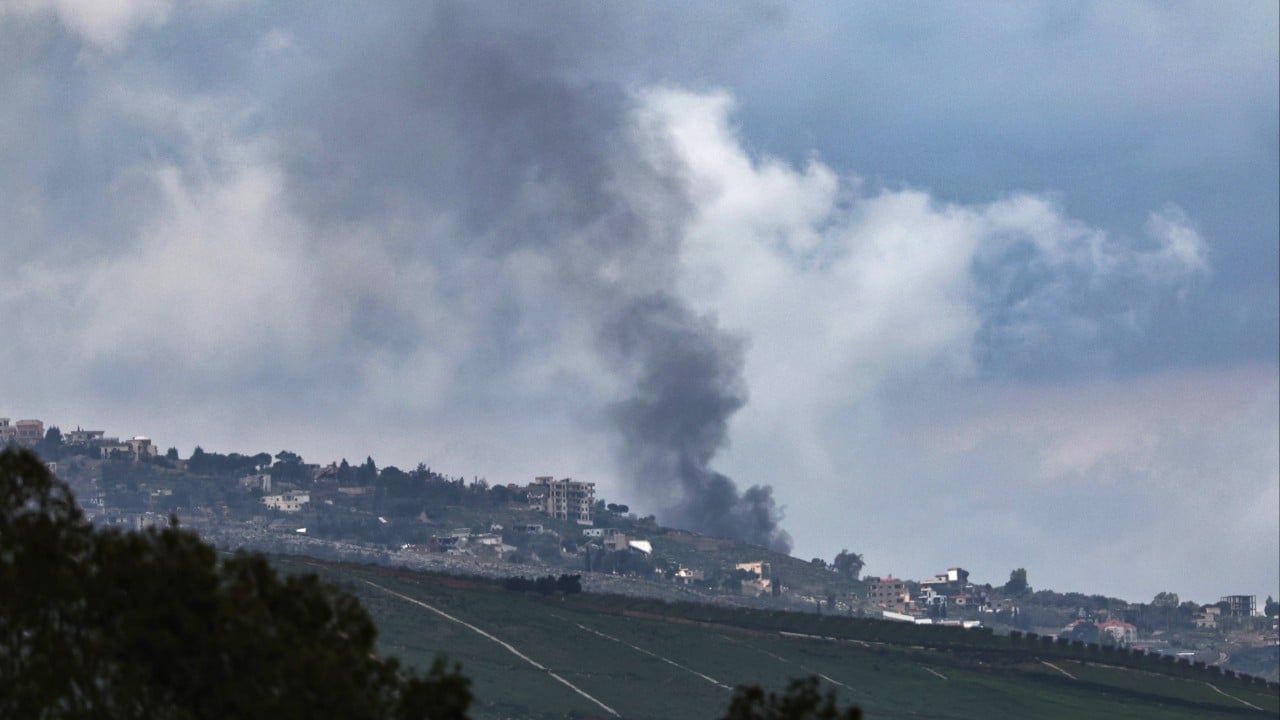
Get used to the smoke. It’s the only thing keeping the lights on in Dahiya.
Don't wait for a ceasefire to change the dynamic. A ceasefire is just a reloading period.