The narrative driving the current conflict with Iran just hit a major roadblock in the halls of Congress. If you've been following the headlines, you've heard the constant drumbeat that Tehran was racing to rebuild its nuclear capabilities, making an "imminent threat" to the world. But during a high-stakes Senate Intelligence Committee hearing on March 18, 2026, Director of National Intelligence Tulsi Gabbard pulled the rug out from under that justification.
She told lawmakers plainly that the U.S. has seen no evidence that Iran was working to rebuild its uranium enrichment program before the start of the current war on February 28. This isn't just a minor detail. It’s a direct contradiction of the core reasoning used to launch Operation Epic Fury. Expanding on this theme, you can find more in: Why the Green Party Victory in Manchester is a Disaster for Keir Starmer.
What the Intel Actually Says
Gabbard’s testimony was a masterclass in walking a fine line. On one hand, she’s a top official in an administration currently at war. On the other, the intelligence her office oversees tells a story of a program that was effectively dead in the water for months.
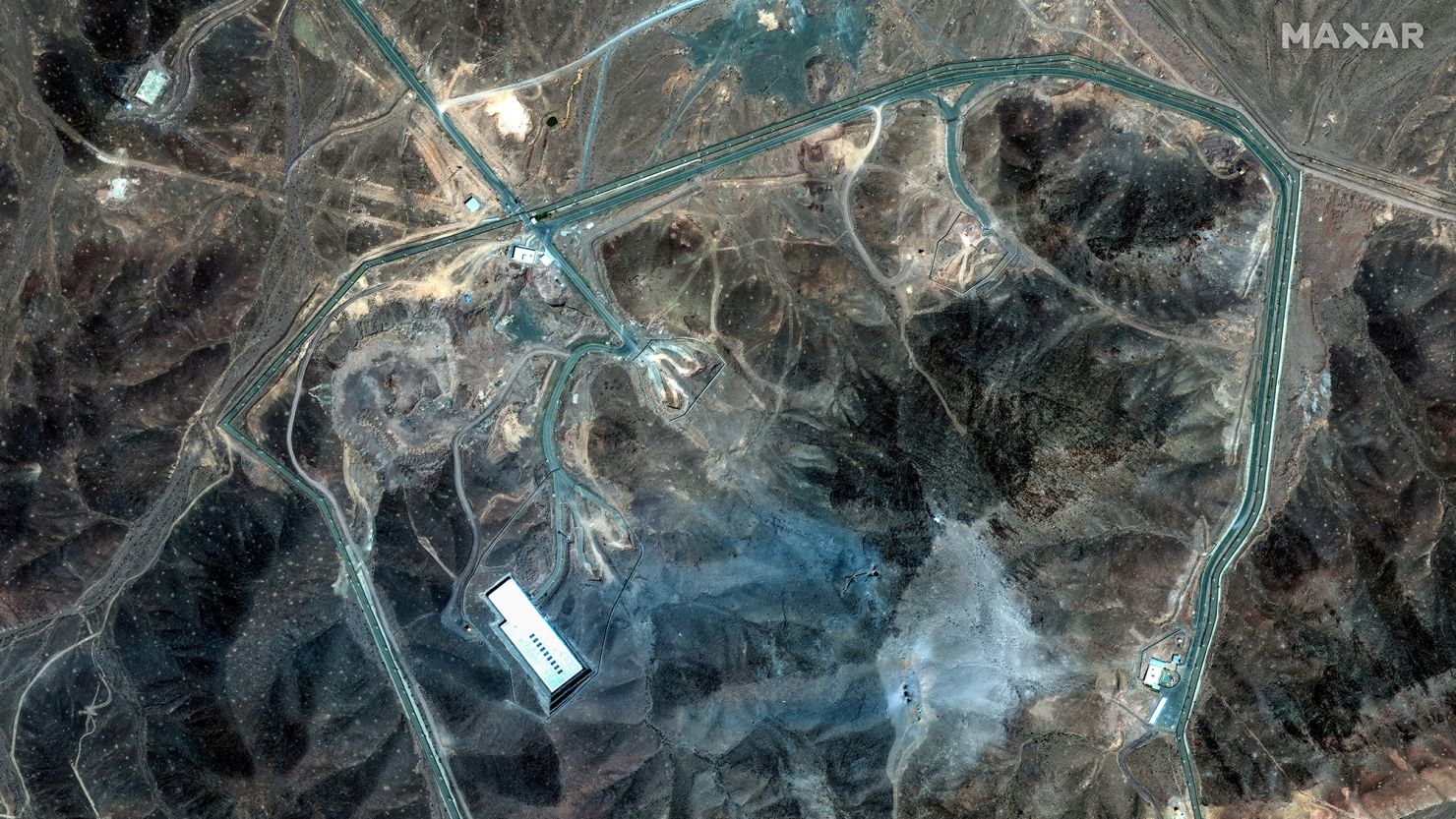
According to the written testimony submitted to the committee, Iran’s nuclear enrichment capacity was "obliterated" during the U.S. B-2 bomber strikes in June 2025—an operation known as Midnight Hammer. Since those strikes, Gabbard confirmed there have been "no efforts" by Tehran to get those specific wheels turning again. Analysts at TIME have also weighed in on this situation.
While Senator Jon Ossoff pressed her on the specifics, the takeaway was clear. Iran hasn't been building. They've been trying to survive. Gabbard noted that the Iranian government was largely "trying to recover from the severe damage" rather than rushing back into the enrichment game.
The Disconnect Between Intelligence and Policy
This creates a massive "he said, she said" dynamic at the highest levels of government. President Trump has repeatedly claimed that Iran posed an imminent nuclear threat to the United States and its allies. He’s argued that Tehran was just weeks away from a bomb.
But if the Intelligence Community (IC) says the enrichment sites were "obliterated" and no rebuilding was happening, where does that "imminent threat" come from? Gabbard wouldn't—or couldn't—answer whether the President’s claims were based on the intelligence she was providing. When pushed on whether Iran’s intentions constituted a threat, she deferred, stating that only the President determines what is "imminent."
It’s a classic Washington dodge, but the facts remain.
- June 2025: U.S. strikes destroy key facilities at Natanz and Fordow.
- July 2025 – Feb 2026: No detected efforts to rebuild centrifuges or resume enrichment.
- Feb 28, 2026: Current war begins based on "imminent" nuclear risk.
Conventional Threats vs. Nuclear Fantasies
While the nuclear program was stalled, the rest of Iran's military wasn't sitting idle. This is where the nuance hides. CIA Director John Ratcliffe testified that while the nuclear side was quiet, Iran was rebuilding its conventional ballistic missile arsenal at an "alarming" rate.
We aren't talking about nukes here; we're talking about the drones and missiles that have been hitting U.S. interests across the Middle East. Ratcliffe pointed out that Iran’s ability to churn out these weapons was moving faster than the U.S. could produce interceptors to protect the 40,000 troops stationed in the region.
This suggests the "threat" might have been real, but it wasn't the nuclear threat the public was sold. The IC assessment is that the Iranian regime is currently "intact but largely degraded." They’ve lost their leadership and much of their power projection, but they haven't lost their will.
Why This Matters for 2026 and Beyond
The fallout from this hearing is already causing ripples. Within the administration itself, the cracks are showing. Joe Kent, a top aide to Gabbard and head of the National Counterterrorism Center, recently resigned in protest. His reasoning? He doesn't believe Iran posed an imminent threat and thinks the war was the result of outside political pressure.
If you’re looking for a silver lining, there isn't much of one. Gabbard warned that if the current regime survives this conflict, they will likely spend the next decade trying to rebuild everything they've lost.
The real danger now is that by "obliterating" the diplomatic path and leaning entirely on kinetic strikes, we’ve pushed Iran into a corner where nuclear weaponization becomes their only perceived "insurance policy" for the future.
What You Should Watch For Next
- The Strait of Hormuz: Both Gabbard and Ratcliffe admit that the de facto closure of this waterway was predicted. Watch for energy prices to react as the "tumult" continues.
- The 2035 Horizon: Gabbard warned that Iran could develop ICBMs capable of hitting the U.S. mainland within a decade if they decide to go all-in.
- The "Surrender" Demand: Watch if the administration shifts its goals from "stopping a nuke" to "regime change," especially as the nuclear justification thins out.
You should pay close attention to the House Intelligence Committee hearings scheduled for tomorrow. If Gabbard was this candid under pressure from the Senate, the House version is likely to be even more explosive as more classified details about the June 2025 strikes are leaked.