The world’s most dangerous bottleneck is back in the spotlight, and the stakes couldn't be higher. After weeks of a brutal conflict that essentially choked off 20% of the world’s energy supply, a fragile two-week ceasefire between the U.S. and Iran was supposed to let the oil breathe again. Instead, we're seeing a high-stakes game of chicken.
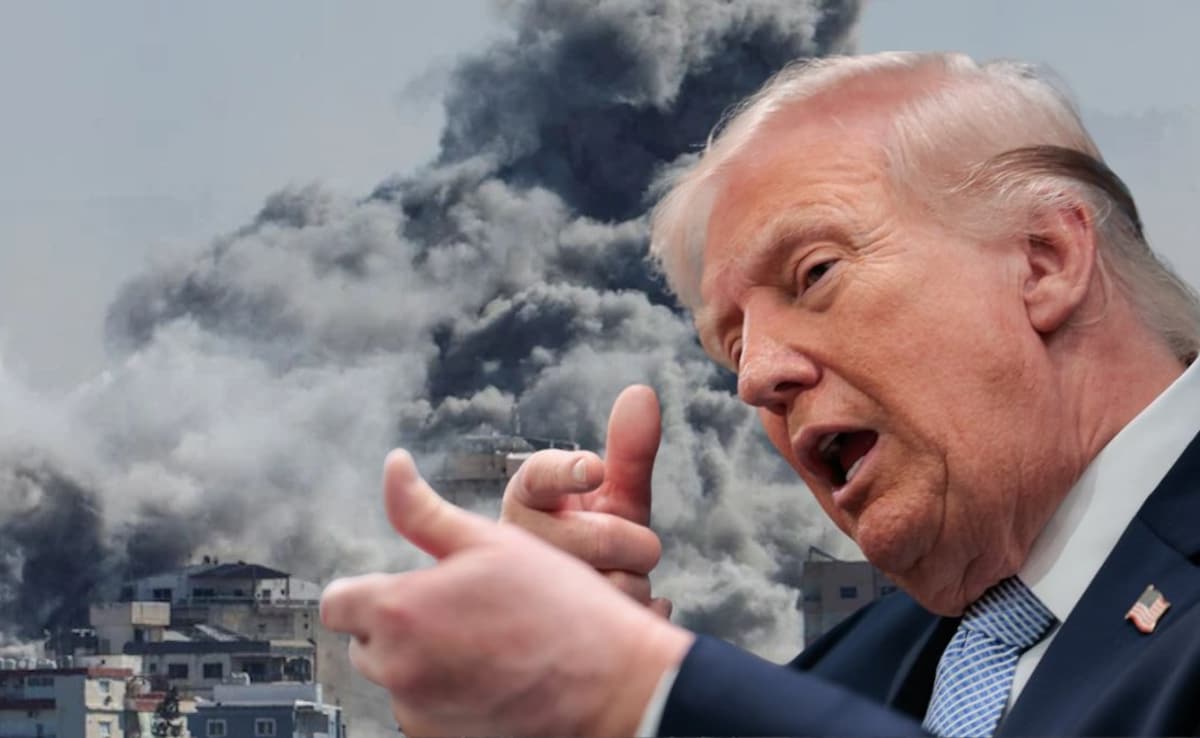
Reports suggest Tehran is trying to squeeze every cent out of the tankers finally starting to move, allegedly demanding "tolls" or fees in cryptocurrency for passage through the Strait of Hormuz. Donald Trump isn't having it. Taking to Truth Social with his trademark bluntness, he warned that Iran better stop the shakedown immediately. His message is clear: the oil is going to move, whether Iran helps or not.
The Ceasefire Crisis
The truce, which took effect just days ago, was meant to be a cooling-off period. The plan was simple: stop the shooting and open the waterway. But tracking data shows a grim reality. Only about 10 vessels have actually made the transit since the deal started. That's a tiny fraction of the usual traffic.
Iran seems to be treating the 167-kilometer strait as its personal private driveway. Iranian Supreme Leader Ayatollah Seyyed Mojtaba Hosseini Khamenei basically said as much, claiming that management of the strait has entered a "new phase." When you hear "new phase" in this context, it usually means "pay up."
Trump’s reaction was predictable but sharp. He accused Iran of doing a "dishonorable" job of sticking to the deal. He’s essentially accusing them of breaching the ceasefire terms before the ink even dried. For a world staring at $125-a-barrel oil, this isn't just a regional spat—it’s a global emergency.
Why the Toll Matters
You might wonder why a small fee matters when millions of barrels are at stake. It’s about the precedent. If Iran successfully taxes international shipping in what are supposed to be international waters, they effectively own the tap to the global economy.
Tehran is reportedly pushing for these payments to be made in crypto. Why? Because it bypasses the very banking systems the U.S. uses for sanctions. It’s a clever way to fund their reconstruction—and their military—while the U.S. watches from the sidelines.
Trump’s "with or without you" stance implies that the U.S. is ready to use force again to ensure transit. He’s not just talking about negotiations in Pakistan this weekend; he’s talking about escorting tankers with destroyers if that's what it takes to break the Iranian grip.
The Global Supply Gap
The numbers behind this standoff are staggering. Six weeks of conflict have taken 11 million barrels per day of crude offline. The global market is currently running a deficit of roughly 6 million barrels every single day.
Even with Saudi Arabia maxing out its East-West pipeline to the Red Sea, it’s not enough. The world needs the Strait of Hormuz wide open, not trickling through at 10% capacity under the threat of Iranian "taxes."
Winners and Losers in the Chaos
- Saudi Arabia: They're the only ones with a real workaround, using pipelines to bypass the strait and send oil to Europe.
- Russia: Every time Trump and Iran trade threats, the price of Brent crude spikes, padding Moscow's war chest.
- U.S. Consumers: You're feeling this at the pump. If the ceasefire collapses, analysts expect prices to rocket toward $160 or $170.
What Happens Saturday
All eyes are on Pakistan. Vice President JD Vance is set to sit down with Iranian reps to see if this ceasefire can be turned into something real. But with Trump already threatening "painful" consequences and Iran's "hand on the trigger," the room is going to be incredibly tense.
Don't expect a polite exchange of diplomatic notes. Trump has already signaled that if the oil doesn't start flowing freely—without the crypto-tolls—the military options are back on the table. He wants the world to know that the U.S. won't be held hostage by a toll booth in the Persian Gulf.
Watch the tanker tracking data over the next 48 hours. If we don't see those vessel numbers jump from 10 to 50, the ceasefire is effectively dead. If you're invested in energy or just worried about your commute, keep a close watch on the "Hormuz Exit." The next move belongs to Tehran, but the hammer is firmly in Trump's hand.
If you want to stay ahead of the volatility, monitor the Brent-to-WTI spread. It's the quickest way to see how much the market actually fears a total shutdown. Also, look for any movement in U.S. Strategic Petroleum Reserve releases; if the government starts dumping more oil, it’s a sign they don't trust the Pakistan talks to succeed.