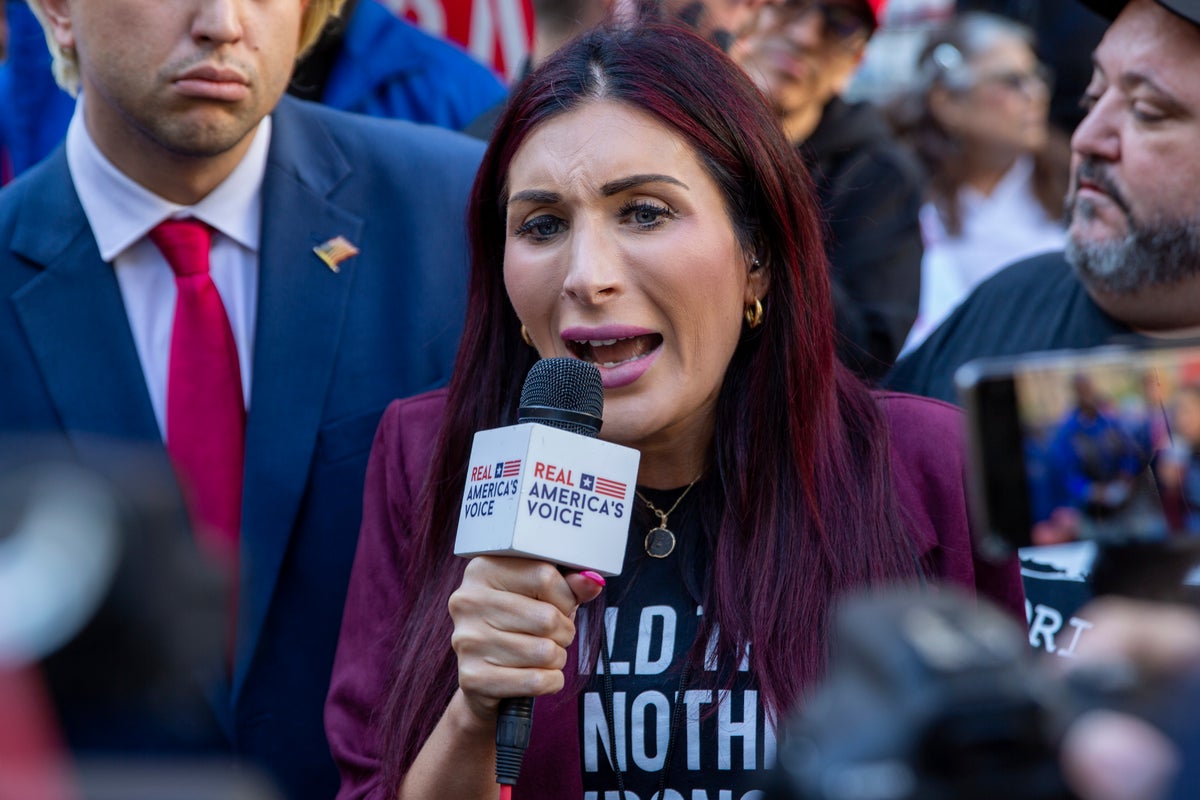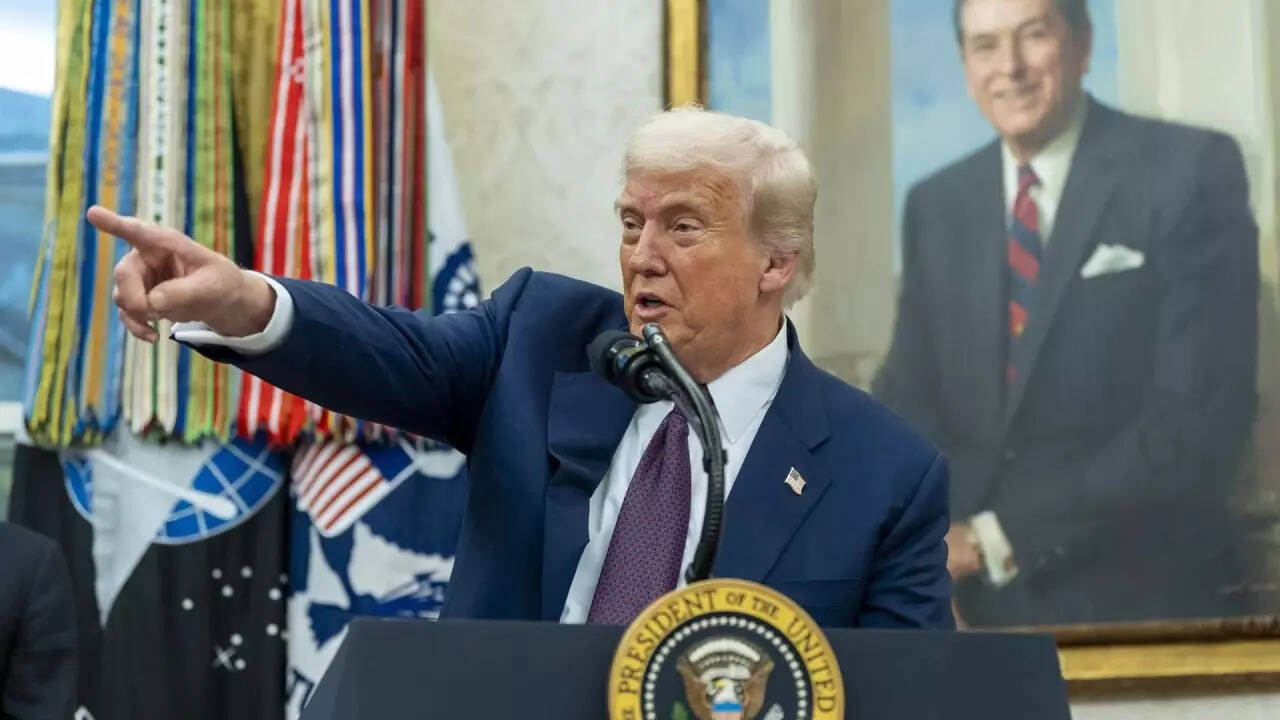
In the sweltering heat of June 2026, the traditional quiet of 1600 Pennsylvania Avenue will be replaced by the rhythmic thud of four-ounce gloves against human ribcages. This is not a metaphor for a contentious cabinet meeting. It is a literal, sanctioned cage match. By staging UFC Freedom 250 on the South Lawn of the White House, President Donald Trump is doing more than celebrating his 80th birthday or the nation’s Sestercentennial; he is finalizing the merger of the American presidency with the raw, uncompromising world of combat sports.
The primary query surrounding this event has always been one of logistics: how do you fit a professional fight card into the most high-security residence on earth? The answer is a bifurcated spectacle. While the South Lawn will host a hyper-exclusive "inner circle" of roughly 5,000 invited guests—including military personnel and the MAGA elite—the true mass of the event will be funneled into The Ellipse. There, 85,000 fans will gather for a free, public viewing experience on massive jumbotrons, effectively turning the National Mall into a stadium.
This is the "hottest ticket" in Washington because it is the only ticket that cannot be bought. In a city built on access, this event represents the ultimate tier of political proximity.
The $60 Million Birthday Party
Industry insiders estimate the production cost for this single night at upwards of $60 million. To put that in perspective, a standard high-end UFC pay-per-view in Las Vegas costs a fraction of that. The premium comes from the sheer impossibility of the venue. Every piece of steel for the Octagon, every lighting rig, and every blade of grass for the temporary stadium must be vetted by a Secret Service detail that is reportedly "white-knuckling" the entire operation.
The aesthetic is calculated. Renderings released by UFC CEO Dana White show the Octagon positioned so the White House serves as the direct backdrop for the television cameras, with the Washington Monument towering in the opposite direction. It is a visual loop of power: the executive mansion, the monument to the founding, and the modern-day gladiators in the center.
Walking Out of the Oval Office
If the logistics are a nightmare, the choreography is pure theater. White has floated a plan that would see headliners like Ilia Topuria or Alex Pereira warming up inside the West Wing before making their "walkout" directly from the Oval Office or the Rose Garden.
This isn't just about cool visuals. It is a profound shift in how the presidency is projected. For decades, the White House used "soft power"—jazz concerts, poetry readings, or the occasional T-ball game—to signal cultural refinement. Trump has discarded the velvet glove. By bringing the UFC to the lawn, he is signaling that the presidency is now about "hard power," physical dominance, and the meritocracy of the cage.
- The Fighters: Athletes like Jon Jones and Conor McGregor have been staples in the Trump orbit for years.
- The Promoter: Dana White isn't just a business partner; he is a political surrogate who spoke at the 2016 and 2020 RNCs.
- The Crowd: The demographic overlap between UFC fans and the MAGA base is a Venn diagram that is nearly a circle.
The Security Calculus and the "Sniper Factor"
You don't host 90,000 people in the "backyard" of the Commander-in-Chief without historic security risks. The Secret Service is reportedly mandating background checks for every single attendee, even those in the free viewing area at The Ellipse.
The "sniper factor" isn't hyperbole. With high-rise buildings and open monuments surrounding the area, the perimeter security for UFC Freedom 250 is being treated with the same gravity as an Inauguration or a State of the Union address. This explains why the "live" audience at the cage-side was scaled back from Trump’s initial dream of 25,000 to a more manageable 5,000.
Why the UFC, Why Now?
Critics view the event as "authoritarian theater," a way to launder political ideology through the lens of popular entertainment. They aren't entirely wrong, but they miss the business synergy. The UFC is currently navigating a complex media rights landscape. With its recent move to Paramount+—a platform owned by Trump ally David Ellison—the promotion is looking for "tentpole" events that transcend the sport.
A White House fight is the ultimate "1-of-1" experience. It creates a broadcast image that will be replayed for decades. For the UFC, it is the final stamp of legitimacy. For Trump, it is a victory lap. He was the one who gave the UFC a home at his Taj Mahal casino in Atlantic City when the sport was banned in most states and labeled "human cockfighting" by John McCain.
The Cultural Collision
There is a certain irony in the fact that the 250th anniversary of American democracy is being toasted with a sport where the winner is determined by who is left standing. However, for the tens of thousands of people currently "chasing seats" in DC, the philosophical implications are secondary to the raw energy of the moment.
The week leading up to June 14 will see Washington transformed. Weigh-ins at the Lincoln Memorial, fan zones on the National Mall, and fighters training at Quantico with FBI agents. This is a total cultural occupation of the capital.
The "hottest ticket" isn't just about seeing a fight. It is about being present at the moment the partition between the state and the spectacle finally collapsed. Whether you find it an inspired celebration of American grit or a vulgar display of power, one thing is certain: on the night of June 14, the most powerful man in the world won't be the one in the Oval Office—he'll be the one who just won the main event.
Would you like me to break down the projected fight card and the specific championship stakes involved in the Freedom 250 lineup?