The desert does not acknowledge the intrusion of man-made noise. It absorbs it. In the high scrub of the Arizona backcountry, near the perimeter of a small municipal airport, the air usually carries nothing more than the dry whistle of wind through creosote and the occasional rhythmic thrum of a piston engine. Pilots call these places "quiet fields." They are the patches of asphalt where the romance of flight still lives, stripped of the sterile glass and TSA lines of major hubs. But on a Tuesday afternoon, that routine hum snapped into a jagged, terrifying silence.
Two lives ended in that silence.
The facts of the crash are clinical, the kind of data points that will eventually be filed in a gray cabinet at the National Transportation Safety Board. A small aircraft, a sudden loss of altitude, an impact. No survivors. To the local news, it is a headline that fills a slot between the weather and the sports. To the families, it is a tectonic shift that has permanently altered the geography of their world. To understand what happened at that small Arizona airport, we have to look past the wreckage and into the cockpit of the human experience.
The Weight of the Blue Sky
Flying a small plane is an act of profound intimacy. Unlike a commercial jet, where the pilot sits behind a reinforced door and manages a computer system, a light aircraft is an extension of the body. You feel the vibration of the engine in your teeth. You feel the lift in the pit of your stomach. When you pull back on the yoke, the nose rises because you willed it so.
There is a deceptive peace in the climb.
On this particular day, the weather was typical for the region—clear, bright, and unforgiving. Arizona’s heat creates what pilots call "density altitude." It is a silent thief. As the air warms, it becomes thinner, less dense. The wings have less to grip. The engine has less to breathe. A plane that soared effortlessly in the cool morning air might struggle to find its footing in the afternoon heat. It is a fundamental law of physics that every pilot knows, yet it remains a ghost that haunts every takeoff.
The two individuals on board were not just statistics. They were part of a tight-knit community where everyone knows everyone else’s tail number. In these small hangars, conversation usually revolves around fuel prices, oil leaks, and the shared addiction to seeing the world from a thousand feet up. When a plane goes down at a municipal airport, the shockwave isn’t just physical. It’s a collective indrawing of breath.
The Anatomy of a Second
We often think of accidents as long, drawn-out sequences of failure. In aviation, they are usually the result of a "Swiss cheese" model—several layers of safety, each with a small hole, eventually aligning perfectly to allow disaster through.
One moment, you are checking your gauges, watching the horizon tilt as you execute a standard turn. The next, the stall horn begins its rhythmic, high-pitched scream. It is a sound designed to trigger a primal response. It tells you that the air is no longer flowing over the wings. You are no longer flying; you are falling.
Consider the mental math required in those final seconds. A pilot has to decide: Push the nose down to regain airspeed? Look for a clearing? Try to make it back to the runway? The ground rushes up with a predatory speed. In a small plane, there is no flight data recorder to capture the last words spoken, no cockpit voice recorder to document the struggle. There is only the testimony of the twisted metal left behind.
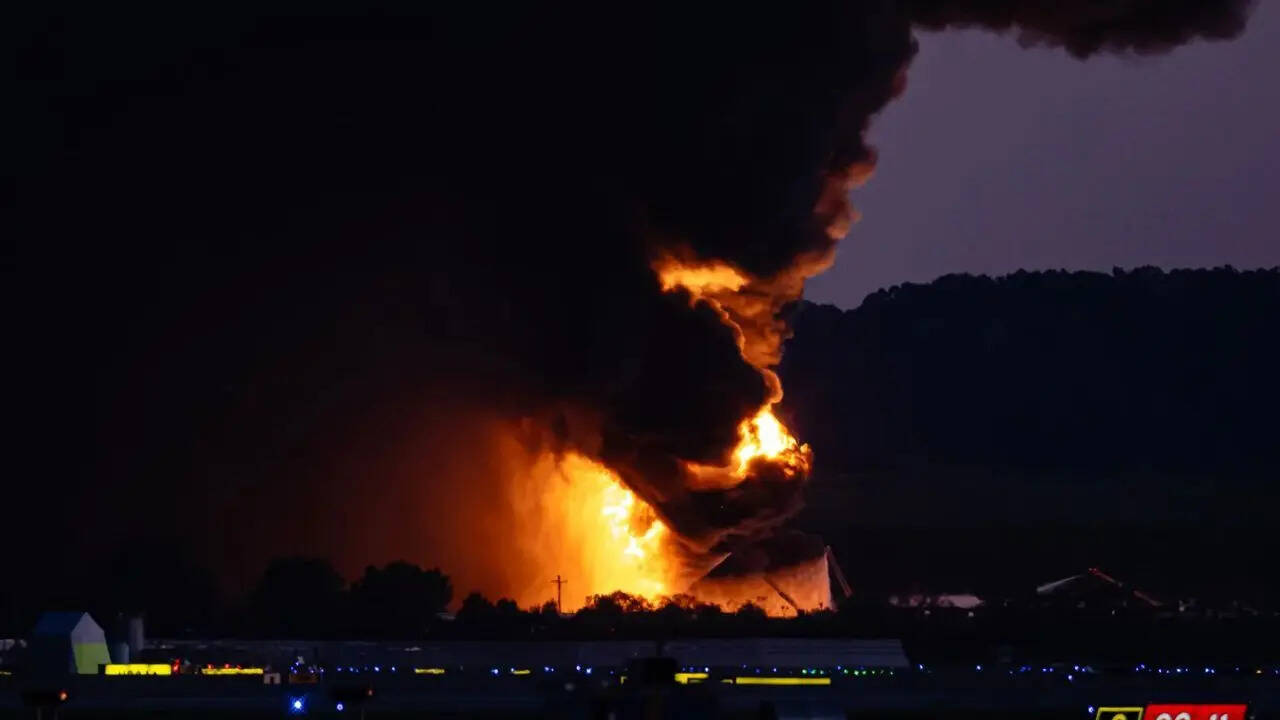
Eyewitnesses at the scene described the aircraft dropping suddenly. There was no fireball, no Hollywood explosion. Just a heavy, sickening thud against the hard-packed earth. The desert, which had been a scenic backdrop moments before, suddenly became a tomb.
The Empty Hangar
The real tragedy of a small-town crash begins after the sirens fade. It starts when the sun goes down and a car remains in the airport parking lot, unclaimed. It’s the coffee cup left on a workbench in a hangar. It’s the flight plan that was never closed.
At small airports, the community is the first responder. They are the ones who hear the engine sputter. They are the ones who jump into their trucks and race toward the smoke, hoping against everything they know to be true that they might find someone alive. This time, there was nothing to be done. The first people on the scene were met with the devastating stillness of a machine that had finished its work.
We tend to distance ourselves from these events by focusing on the "why." Was it mechanical failure? Was it pilot error? We want to believe that if we can just find the one mistake, we can prevent it from happening to us. We want to believe that the world is governed by logic and checklists. But aviation, like life, carries an inherent risk that no amount of pre-flight inspection can entirely erase.
The Invisible Stakes
Every time a pilot zips up a flight suit or climbs onto a wing to check the fuel, they are making a bargain with the atmosphere. They are trading the safety of the ground for the perspective of the gods. For the two souls lost in Arizona, that bargain came due in the harshest way possible.
The investigation will take months. Investigators will map the debris field, analyze the engine components, and look at the pilot’s medical records. They will produce a report that explains the physics of the impact. But they will never be able to capture the feeling of the sun on the wings or the reason why these two people chose to take to the sky that day.
They were there because flight offers a clarity that the ground cannot provide. Up there, the petty grievances of life melt away. The traffic jams, the bills, the politics—it all looks small and insignificant from a few thousand feet. There is a purity in navigation, a Zen-like focus required to stay aloft.
When a crash occurs, we lose more than just two people. We lose the stories they were going to tell. We lose the knowledge they had accumulated. We lose a piece of the bravery that defines the human spirit—the willingness to leave the safety of the earth and venture into an environment where we don't belong.
The Dust Settles
The airport reopened shortly after the wreckage was cleared. That is the way of the world. The wind continues to blow across the runway, and other pilots continue to take off, their eyes fixed on the same horizon. They do not fly out of a lack of respect for the fallen; they fly because that is how they honor them.
The desert has a way of erasing tracks. Within a few days, the scorched earth will be the only sign that anything unusual happened. The cactus will continue to grow, and the coyotes will reclaim the silence of the perimeter fence.
But for those who knew the names behind the headlines, the silence is different now. It isn't just the absence of noise. It is a heavy, lingering presence. It is the sound of a conversation that ended mid-sentence, a flight that never reached its destination, and the enduring mystery of why the sky, which offers so much freedom, sometimes demands everything in return.
The propeller has stopped, but the echoes remain, vibrating through the corrugated metal of the hangars and the hearts of everyone who looks up when they hear a distant engine.