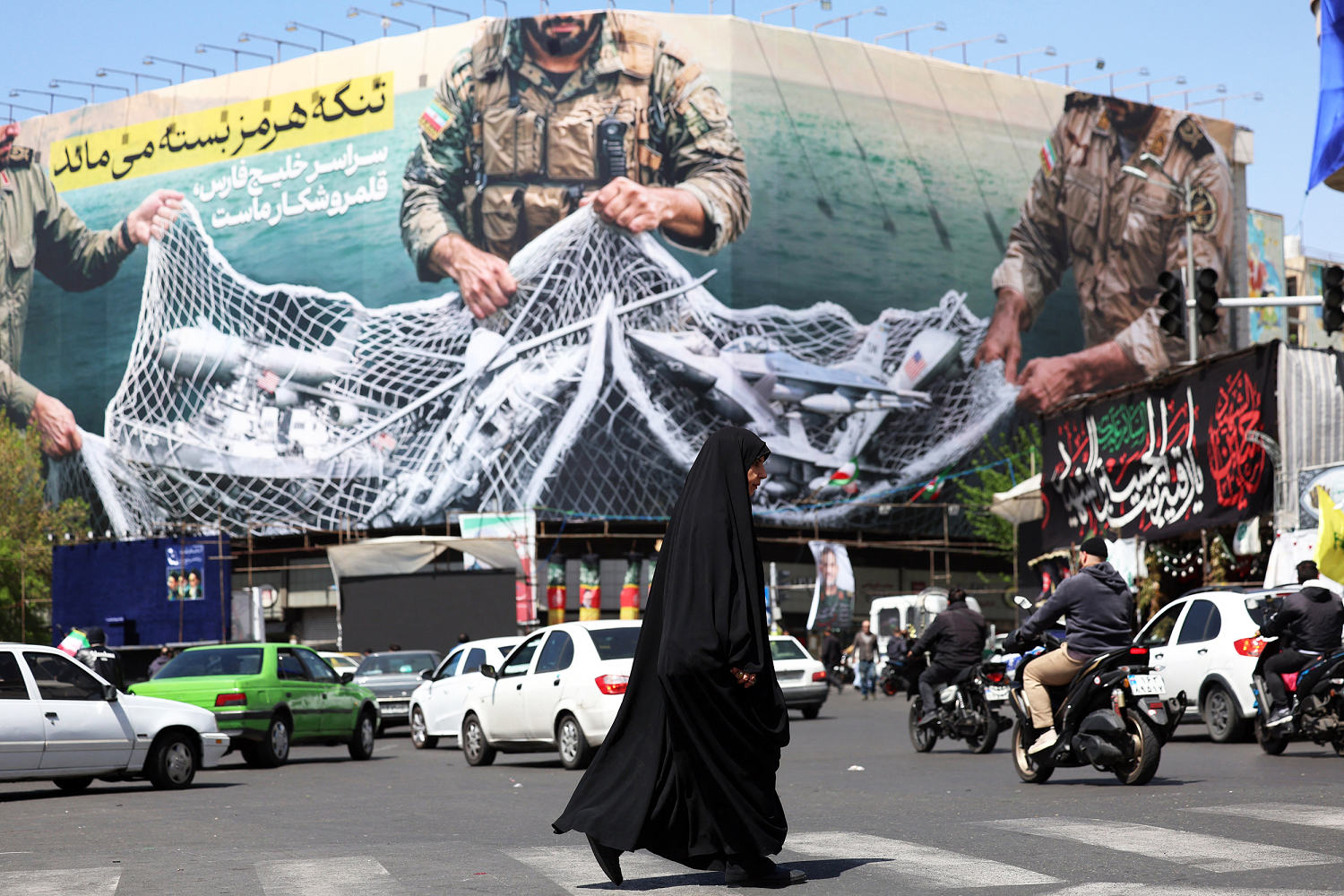
The warning wasn't exactly subtle. "A whole civilization will die tonight," the president posted on Truth Social. He wasn't talking about a movie plot or a historical metaphor. He was talking about Iran. This wasn't just another late-night rant; it was a deadline backed by the threat of massive strikes on civilian infrastructure.
If you're wondering how we got here, you're not alone. The U.S. and Israel have been engaged in Operation Epic Fury for weeks, a military campaign that’s already claimed thousands of lives. Yet, when given the chance to pull the emergency brake, Congress blinked. Specifically, Republicans in both the House and Senate have repeatedly blocked efforts to rein in the executive branch’s power to wage this war.
The vote that changed nothing
In a series of high-stakes votes throughout March 2026, the Republican-led Congress made its stance clear. They aren't going to stop this. A War Powers Resolution, aimed at forcing the administration to withdraw troops unless Congress explicitly authorized the conflict, failed in both chambers.
In the Senate, the vote fell 53-47. In the House, it was even closer: 212-219. These weren't just random tallies; they were a snapshot of a party that has largely decided to ride or die with the president’s "madman" strategy. Only a handful of lawmakers dared to cross the aisle. Senator Rand Paul and Representative Thomas Massie joined Democrats, arguing that the Constitution doesn't give one man the right to start a war. On the other side, Senator John Fetterman was the lone Democrat to vote with Republicans, sticking to his guns as a staunch supporter of the military operation.
The logic from GOP leadership, like House Speaker Mike Johnson, is that "kneecapping" the commander-in-chief while troops are in the field is dangerous. They argue it emboldens Tehran. But critics say this is a blank check for a conflict with no clear exit strategy. Honestly, it’s a gamble that assumes the threat of total destruction will force Iran to the table before the missiles actually fly.
What civilization will die tonight really means
When the president says a "civilization" will die, he's talking about more than just military targets. He’s threatening the very fabric of a country. This rhetoric sparked immediate panic across the globe. The Pope called it "unacceptable." Even some of the president’s former allies, like Marjorie Taylor Greene, suddenly found a line they weren't willing to cross, calling for his removal.
But why the threat? It all comes down to the Strait of Hormuz.
Iran has blocked this narrow waterway, a chokepoint that controls about 20% of the world’s oil. Gas prices are already soaring, and the global economy is twitching. The president's ultimatum was simple: reopen the strait by 8 p.m., or face the end. While a last-minute "ceasefire" was announced, it’s incredibly fragile. It’s less of a peace deal and more of a stay of execution.
The constitutional crisis hiding in the war room
We’ve seen this movie before, but the stakes have never been this high. The War Powers Act of 1973 was supposed to prevent exactly this—a president taking the country to war without a vote from the people’s representatives.
- The 48-hour rule: The president must notify Congress within 48 hours of introducing forces.
- The 60-day clock: Troops can't stay longer than 60 days without a formal declaration of war.
- The reality: These rules are being ignored or bypassed through legal loopholes about "imminent threats."
Representative Jamie Raskin put it bluntly on the House floor: "The framers weren't fooling around." He’s right. The Constitution is supposed to be the guardrail, but those rails are looking pretty thin right now. Most Republicans argue that the killing of Iran’s Supreme Leader earlier this year changed the game, making the current strikes a defensive necessity rather than a new war.
What happens if the ceasefire breaks
Don't let the word "ceasefire" fool you into thinking it's over. The administration is still demanding a "COMPLETE, IMMEDIATE, and SAFE OPENING" of the Strait of Hormuz. Iran is still reeling from the death of its leadership and the destruction of its oil hubs on Kharg Island.
If you're watching this from home, the "next steps" aren't just about politics. They're about your wallet and your security.
- Watch the gas pumps: If the Strait remains a flashpoint, expect energy costs to hit 2024-level inflation peaks almost overnight.
- Follow the dissenters: Keep an eye on the few Republicans like Lisa Murkowski and Nathaniel Moran. If more of them start breaking ranks, the pressure on the White House might actually force a real diplomatic shift.
- Check the 25th Amendment talk: While Democrats are pushing for removal, it’s a dead end without Cabinet support. Unless the president’s own team turns on him, the "madman" approach remains the official U.S. policy.
The reality is that we're currently in a war that hasn't been voted on, triggered by threats that ignore international law, and managed by a Congress that seems more interested in party loyalty than its own constitutional duties. It’s a messy, dangerous moment that could go sideways at any second. If you think this is just another news cycle, you aren't paying attention to the silence coming from the halls of power.
Pay attention to the military movements in the Caribbean and Pacific too. The administration isn't just focused on Iran; they’ve deployed troops to Venezuela recently as well. This is a global expansion of force that Congress is choosing to watch from the sidelines. Stay informed, because the "civilization" on the line might not just be Iran's—it's the world order as we know it.


