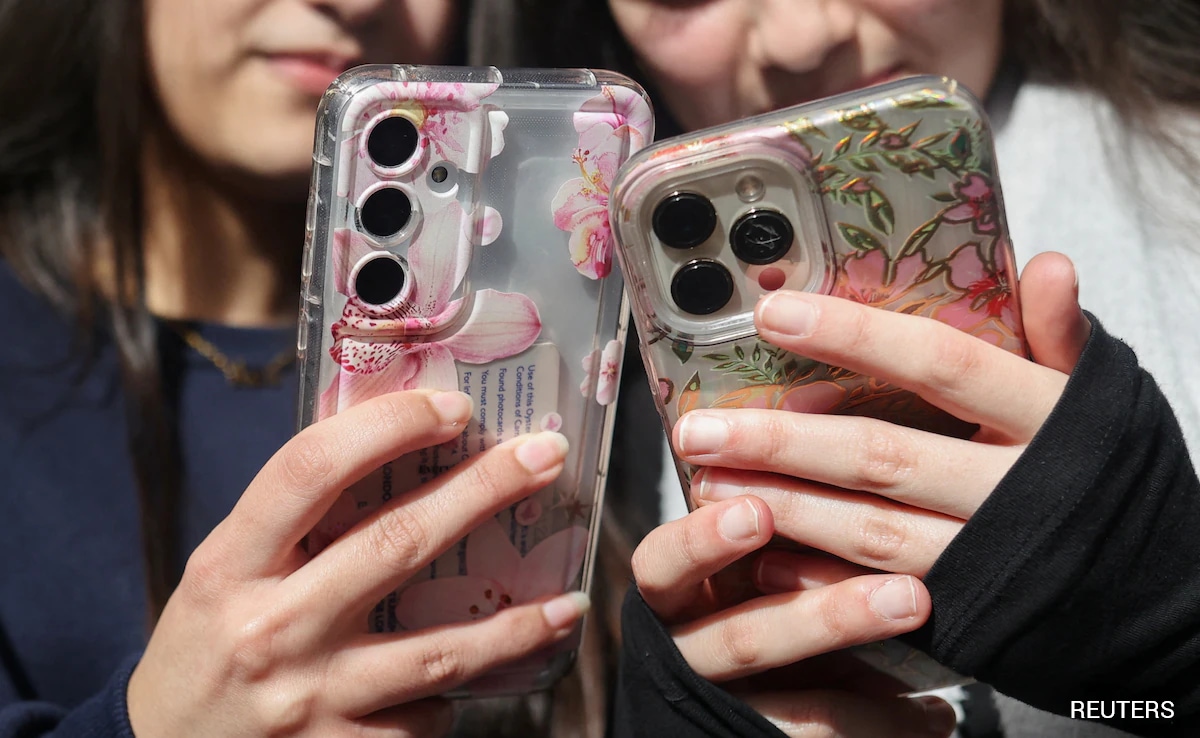
The world has a new, invisible divide, and it is not measured by GDP or military might. It is measured by the Cantril Ladder, a simple 0-to-10 scale of life satisfaction. For decades, the data followed a predictable "U-shape"—we were happiest in our youth, hit a mid-life slump in our 40s, and rebounded in old age. According to the World Happiness Report 2026, that curve has been violently snapped.
In the United States, Canada, and Western Europe, young people under 25 are now reporting lower levels of wellbeing than their elders. This is a historical anomaly. The primary culprit identified by the report’s editors at the Oxford Wellbeing Research Centre is not economic instability or climate change, though those play their parts. The "smoking gun" is a decade-long, aggressive rewiring of childhood through algorithmic social media. If you liked this piece, you might want to read: this related article.
The Algorithmic Tax on Human Joy
The 2026 data shows a stark divergence in how different regions experience the internet. While youth happiness is rising in parts of Central and Eastern Europe—where the internet is often still a tool for direct communication—it is in freefall in English-speaking nations.
The report distinguishes between "social" media and "algorithmic" media. Platforms that facilitate one-to-one or group communication show a neutral or even positive correlation with happiness. However, platforms dominated by infinite scroll, visual-heavy content, and influencer culture act as a massive drain on mental resources. For another look on this event, refer to the latest coverage from Healthline.
For a 15-year-old girl in the UK or Canada, five hours of daily use correlates with a full point drop on the 10-point happiness scale. This isn't just "unhappiness"; it is a systemic degradation of life quality. The report highlights that these platforms thrive on social comparison. When a developing brain is fed a curated stream of "better" lives, "thinner" bodies, and "wealthier" peers, the biological result is a persistent state of perceived deficit.
Why the Nordic Model Still Wins
Finland has secured the top spot for the ninth consecutive year. It is easy to dismiss this as "Nordic exceptionalism," but the 2026 report deconstructs the mechanics of their success. It isn't just about wealth; it is about the distribution of security.
- Social Trust: In Finland and Denmark, the "lost wallet" test remains the highest in the world. People believe their neighbors will do the right thing.
- The Welfare Buffer: A robust state protects citizens from the "shocks" of life—illness, unemployment, or recession—reducing the baseline of chronic stress.
- Digital Balance: Nordic countries have been among the first to implement strict educational guidelines on device use, prioritizing "real-world" social play over digital engagement.
Interestingly, the report notes a phenomenon called "happycondria" in Finland. As the country maintains its #1 status, some citizens report a strange pressure to feel "happier" than they actually do. This suggests that even at the top of the ladder, the public obsession with happiness metrics can create its own unique form of anxiety.
The Costa Rica Paradox
The most significant mover in the 2026 rankings is Costa Rica, which surged to 4th place. It is now the happiest nation in Latin America and outranks almost every G7 country.
Costa Rica’s rise proves that high-speed digital infrastructure does not have to destroy happiness. In Latin American cultures, the internet is more frequently used to deepen existing family bonds and maintain social circles rather than chasing anonymous followers. The report suggests that strong "social capital"—the density of one’s real-world support network—acts as a literal shield against the harms of the digital age.
In the West, we have traded "social support" for "social media." In 2023, nearly 19% of young adults worldwide reported having no one they could count on—a 39% increase since 2006. In Costa Rica, those numbers remain remarkably low. They have kept the "social" in their lives, while the US and UK have outsourced it to an algorithm.
The Gendered Crisis
The data confirms a brutal reality: the "Anxious Generation" is disproportionately female. While boys often find a sense of (albeit imperfect) community in gaming and content creation, girls are pushed toward platforms that emphasize visual status and social exclusion.
The 2026 report notes that 15-year-old girls using social media for more than seven hours a day face a decline in wellbeing nearly twice as sharp as their male counterparts. This is attributed to "indirect harms" like cyberbullying and the "perfection trap." Unlike a physical playground, the digital playground never closes. There is no "home base" where a child is safe from the judgment of their peers.
The Policy Tipping Point
We are seeing the end of the "Wild West" era of the internet. Governments are finally treating social media like a public health issue rather than a consumer choice.
Australia led the way in late 2025 by banning social media for children under 16. Other nations are now looking at the "Surgeon General's Warning" model—mandatory labels on apps that use infinite scroll or algorithmic recommendation engines. The 2026 report serves as the definitive evidence base for these interventions.
It is no longer a debate about whether social media is "good" or "bad." It is about dosage and design. The report makes it clear: less than one hour of use per day is the "sweet spot" for youth wellbeing. Anything more is a gamble with a child's developmental health.
Beyond the Screen
To fix the happiness crisis, we cannot simply take away the phones. We have to rebuild the world that the phones replaced.
The 2025 and 2026 data both emphasize shared meals, trust, and autonomy. We have overprotected children in the real world—denying them the "risky play" and independence needed to build resilience—while underprotecting them in the digital world. The result is a generation that is physically safer than any in history, but mentally more fragile.
The path back to the top of the ladder requires a collective return to the physical. It requires "low-tech" spaces, community trust-building, and a rejection of the idea that a "personal brand" is a substitute for a personality. Happiness is not a solo pursuit; it is an emergent property of a functioning community.
Would you like me to analyze the specific policy changes Australia implemented in 2025 to see if they are actually working?