The steel hull of a Maersk container ship groans under the weight of eighteen thousand metal boxes, each one a vital organ in the body of global commerce. Inside these corrugated shells sit the mundane and the miraculous: iPhone components, lithium-ion batteries, high-end medical imaging sensors, and the cheap plastic toys that populate every suburban living room. This vessel, a skyscraper laid on its side, is currently cutting through the salt spray of the Malacca Strait. To the crew, it is a workplace. To the world’s superpowers, it is a chess piece.
We often talk about trade in the abstract. We speak of "logistics" or "supply chains" as if they are invisible wires humming in the background of our lives. They aren't. They are physical, vulnerable, and increasingly caught in the crosshairs of a new American foreign policy that threatens to turn the ocean into a fortress.
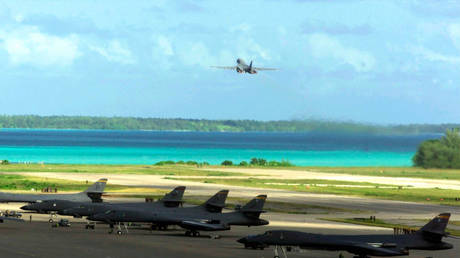
The proposal is simple on paper: a naval blockade. The goal is to choke the economic lifeblood of China by cutting off its access to energy and markets. But look closer at the water. A blockade is not a peaceful diplomatic lever. It is a slow-motion act of violence.
The Silent Chokepoint
Think of the global economy as a human body. If the United States is the brain, China has become the heart, pumping the goods that keep the system alive. Now, imagine a tourniquet applied to the main artery.
The Malacca Strait is a narrow ribbon of water between Indonesia and Malaysia. Nearly eighty percent of China’s oil imports pass through this tiny gap. It is their greatest weakness. If an American administration decides to park a carrier strike group at the mouth of that strait, the world changes in an afternoon.
For a sailor on a commercial tanker, the first sign of trouble wouldn't be a missile. It would be a radio call. A stern voice from a gray ship on the horizon, ordering a change of course. In that moment, the "freedom of navigation" that has underpinned the last eighty years of prosperity vanishes.
When you block a ship, you aren't just stopping a company from making a profit. You are stopping a power plant in Shanghai from having the coal it needs to keep the lights on in a neonatal ward. You are stopping the flow of food to cities that cannot feed themselves. This is the human cost of using trade as a weapon. It is a gamble that assumes the other side will fold before they fight.
History suggests otherwise.
The Ghost of 1941
We have been here before. We just choose to forget the ending.
In the lead-up to World War II, the United States imposed an oil embargo on Japan. The logic was identical to the rhetoric we hear today: use economic pressure to force a regional power to back down from its territorial ambitions. The result was not a surrender. It was a desperate, cornered animal lunging at Pearl Harbor.
When a nation feels its literal survival—the heat in its homes, the fuel for its trucks—is being strangled by a foreign power, the cost of war suddenly looks cheaper than the cost of peace.
Consider a young logistics officer in the People’s Liberation Army. He is watching the satellite feeds. He sees American destroyers patrolling the waters his country considers its front yard. He isn't thinking about "de-risking" or "strategic competition." He is thinking about his parents’ apartment going cold. He is thinking about the humiliation of a blockade.
Nationalism is a hell of a drug, and it burns hottest when fueled by a sense of being trapped. If the U.S. Navy begins seizing Chinese-bound cargo, they aren't just engaging in "piracy with a badge." They are inviting a kinetic response. A single nervous sonar technician, a misunderstood maneuver, or a warning shot that hits a bridge can ignite a fire that no diplomat can put out.
The Mathematics of Miscalculation
War is often described as a game of grand strategy, but it is actually a series of cascading failures in human psychology.
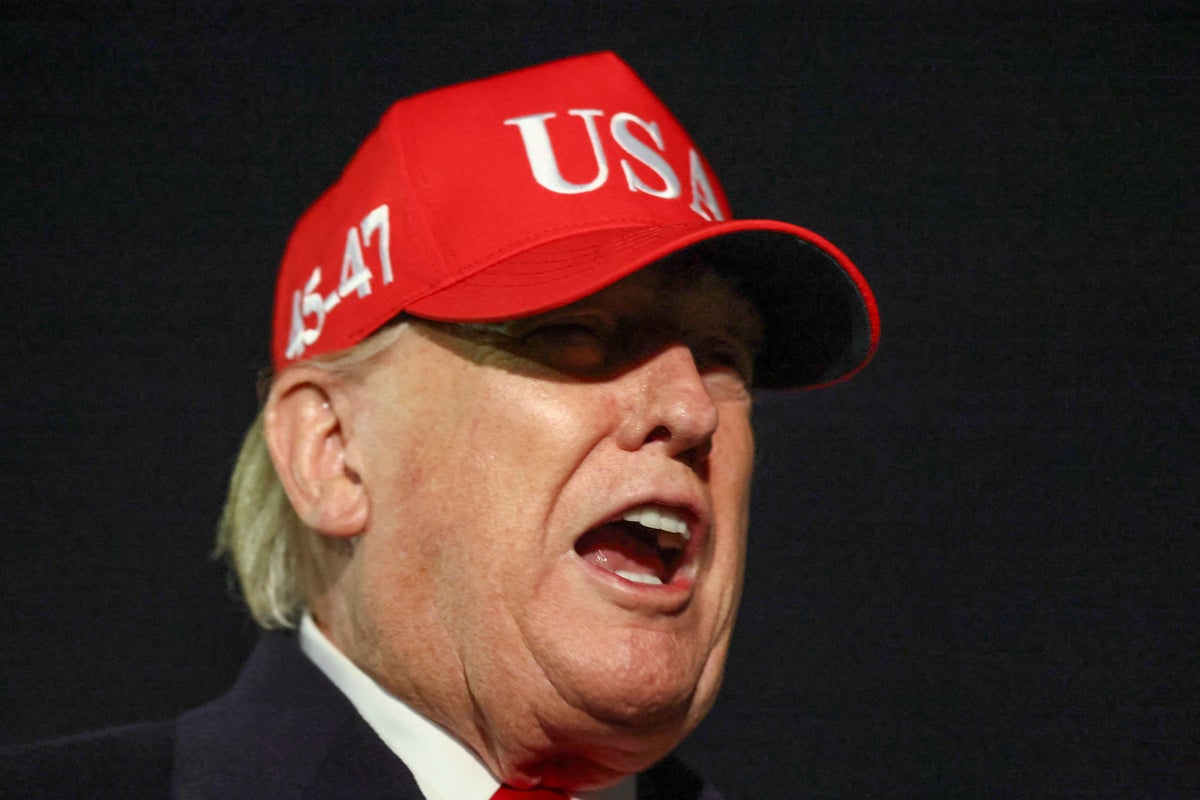
The current talk of a "Trumpian blockade" relies on the idea of American dominance being absolute. But the geography has shifted. China has spent two decades building "carrier killers"—land-based missiles designed to turn the South China Sea into a no-go zone for the U.S. Navy.
$$DF-21D$$and$$DF-26$$ missiles are not just technical designations. They are the reason an American admiral wakes up in a cold sweat. They represent the reality that a blockade is no longer a one-sided affair where the hegemon dictates terms from a safe distance.
If a blockade begins, the insurance rates for every commercial vessel in the Pacific will skyrocket overnight. Shipping companies will refuse to sail. The "just-in-time" delivery system that brings you your medicine and your laptop will shatter.
Imagine the shelves of a big-box retailer in Ohio. In three weeks, they are empty. Not because of a pandemic, but because the ships are sitting idle in Singapore, terrified of being caught in the crossfire. The price of gasoline doubles. The stock market, which hates nothing more than uncertainty, enters a freefall.
This is the invisible stake. We think we are "getting tough" on a rival, but we are actually pulling the pin on a grenade we are holding in our own pocket.
The High Seas and the Law of the Jungle
There is a reason the world agreed on maritime laws. Without them, the ocean reverts to a state of nature where might makes right.
If the U.S. ignores international norms to intercept Chinese ships, it effectively tells every other nation that the rules are dead. Why shouldn't Iran block the Strait of Hormuz? Why shouldn't Russia seize vessels in the Baltic?
When the world’s leading power turns to state-sponsored piracy, it loses the moral authority to complain when others do the same. We are trading long-term stability for a short-term tactical squeeze. It is the definition of being penny-wise and pound-foolish.
The people who will suffer first aren't the billionaires in Davos or the politicians in D.C. They are the millions of factory workers in Shenzhen whose jobs disappear when the raw materials stop arriving. They are the American farmers who watch their crops rot because the export markets have been slammed shut.
Humanity has a peculiar habit of sleepwalking into catastrophes while convinced it is taking a stand for "security."
The Point of No Return
Picture a darkened room in Beijing. The leadership is huddled around a map. They see the "First Island Chain" as a noose. Every American ship added to the blockade is a tug on that rope.
They have two choices: accept a slow economic death or take a chance on a quick, violent breakout.
In every historical simulation, the cornered power eventually chooses the breakout. They strike at the bases in Okinawa. They launch cyber-attacks on the American power grid. They turn a trade dispute into a global conflagration.
We are currently playing a game of chicken with twenty percent of the world’s population. The rhetoric of a "blockade" sounds strong on a campaign trail. it sounds like a solution to a complex problem. But out on the rolling swells of the Pacific, where the gray ships meet the blue water, it looks like something else entirely.
It looks like the end of the world as we know it.
The ocean is wide, but it is not wide enough to keep us safe from the consequences of our own hubris. When you block the path of a giant, you'd better be prepared for the giant to walk through you.
The steel hull of the Maersk ship continues its journey for now, oblivious to the storm brewing in the minds of men thousands of miles away. But the water is getting choppier. The horizon is darkening. And the people on the shore are starting to realize that when the ships stop moving, everything else stops too.