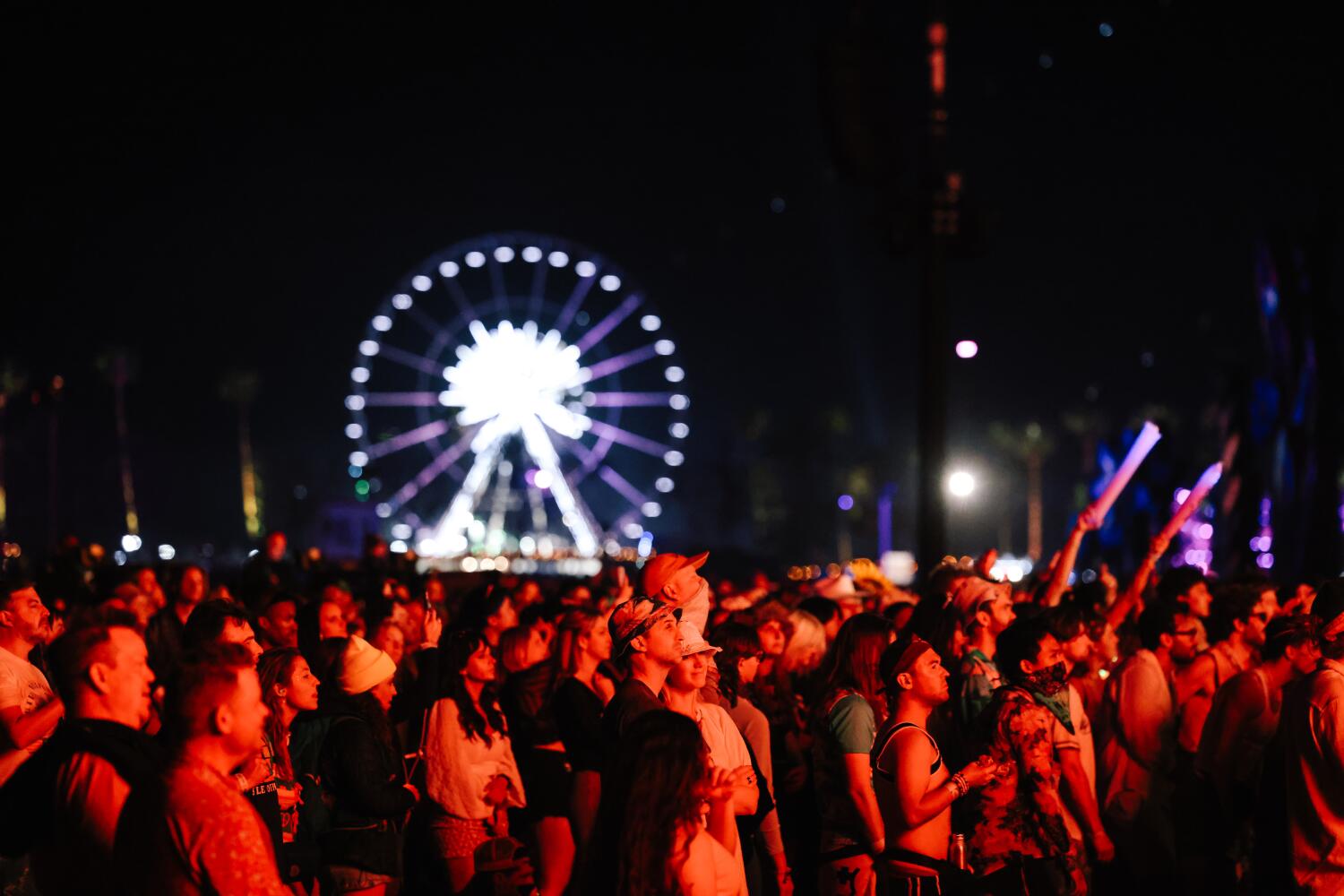
The grass at Finsbury Park doesn't care about geopolitics. By the time July rolls around, it is usually a trampled, golden-brown carpet, sacrificed to the rhythmic thud of bass and the sweat of fifty thousand people. But in the boardrooms where Wireless Festival is actually built, the air is much thinner. It smells of expensive espresso and the metallic tang of panic.
Melvin Benn, the man holding the steering wheel of Festival Republic, recently found himself staring at a hole. Not a literal hole in the stage, but a financial and moral crater left by departing sponsors. The reason? Ye. The artist formerly known as Kanye West. For an alternative view, check out: this related article.
Choosing a headliner is usually a math problem. You weigh social media impressions against ticket tiers and multiply by historical "hype." But when you book Ye, you aren't just booking a musician. You are booking a storm. You are inviting a lightning strike to hit your main stage and hoping it lights the pyrotechnics instead of burning the whole field down.
The Weight of a Name
Think about a kid named Marcus. He’s nineteen. He saved three weeks of wages from a warehouse job to buy a weekend pass. For Marcus, the "sponsorship withdrawal" of a major tech brand or a soft drink giant is a headline he scrolls past on his way to check the lineup. He doesn't see the frantic emails between accounts payable and legal. He just wants to hear the opening chords of Runaway. Further reporting regarding this has been provided by E! News.
But for the festival organizers, those logos on the side of the stage are the oxygen. When brands like Adidas or GAP cut ties with Ye following his antisemitic outbursts and erratic public behavior, the ripples didn't stop at the fashion industry. They washed right up to the gates of every venue willing to host him.
Sponsors are timid creatures. They want the "edginess" of hip-hop culture without any of the actual edge. They want the cool, but they want it sanitized, wrapped in plastic, and safe for a family-friendly Instagram feed. Ye is the opposite of safe. He is a jagged piece of glass in a sandbox.
Melvin Benn stood his ground. He didn't blink. While the money walked out the door, he kept the gates open. Why? Because in the brutal, high-stakes world of live music, a promoter's word is the only currency that doesn't devalue when the market crashes. If you start pulling headliners because the internet is angry, you aren't a curator anymore. You’re a weather vane.
The Invisible Ledger
There is a cost to defiance. When a sponsor pulls out, a festival doesn't just lose a check. They lose the "extras." They lose the branded lounges that provide shade. They lose the subsidized water stations. They lose the marketing budget that puts posters in every Tube station from Brixton to Cockfosters.
The festival becomes leaner. Harder.
Imagine the backstage area. Usually, it’s a sprawling buffet of corporate excess. Now, it’s stripped back. The stakes have shifted from "How much profit can we make?" to "Can we survive the weekend without a riot or a bankruptcy filing?"
Benn’s argument is rooted in a messy, uncomfortable truth: the fans are still coming. Despite the headlines, despite the valid and deep-seated hurt caused by Ye’s rhetoric, the tickets are moving. This creates a bizarre paradox. The public, or at least a significant, vocal portion of it, is willing to separate the art from the artist—or perhaps they are just hungry for the spectacle.
It's a gamble on human nature.
The Ghost in the Machine
We often talk about "cancel culture" as if it’s a digital guillotine. One chop and the career is over. But Ye proves that if the platform is big enough, the blade just gets blunt. Wireless is that platform. By refusing to bow to the pressure of departing sponsors, the festival is making a statement about the nature of the modern stage.
Is a music festival a moral arbiter? Or is it a mirror?
If you walk through the crowd, you’ll find people who are disgusted by Ye’s words but mesmerized by his production. You’ll find people who haven't read a news story in six months. And you’ll find people who believe that the stage is the one place where the "unacceptable" should be allowed to exist.
This isn't just about one man and his microphone. It’s about the infrastructure of entertainment. When a brand like Monster Energy or a fashion house pulls their funding, they are betting that the public will reward their "bravery." But the promoter is betting on the physical reality of fifty thousand screaming fans. One of these groups is looking at a spreadsheet. The other is looking at a stage.
The Sound of Silence
The most terrifying moment for a festival boss isn't the departure of a sponsor. It’s the silence that follows.
If the music stops, the business dies.
Live Nation and Festival Republic operate on a scale that most of us can't wrap our heads around. They deal in tens of millions. A single weekend can determine the hiring capacity for the next three years. When Benn stands by his headliner, he is protecting the ecosystem. He is signaling to every other "difficult" artist in the world that Wireless is a place where the contract matters more than the controversy.
It is a cold, hard, business-first philosophy. It lacks the warmth of a public apology or the comfort of a "socially conscious" press release. It is a calculated risk that says: "We provide the space. You provide the judgment."
But the shadow remains.
Every time a logo is scrubbed from a banner, the ticket price feels a little heavier. The security guards look a little more tired. The air feels a little more charged. You can’t invite a storm and expect everyone to stay dry.
As the sun sets over the park, the lights flicker on. The stage is a massive, glowing monolith in the dark. Somewhere in the wings, a promoter is checking his watch, wondering if the gamble will pay off, or if the music will finally be drowned out by the cost of playing it.
The bass kicks in. The ground shakes. For a moment, the missing sponsors don't matter. The controversy is just noise. But when the lights go down and the crowd filters out into the London night, the grass is still trampled, the money is still gone, and the questions are still waiting at the exit.