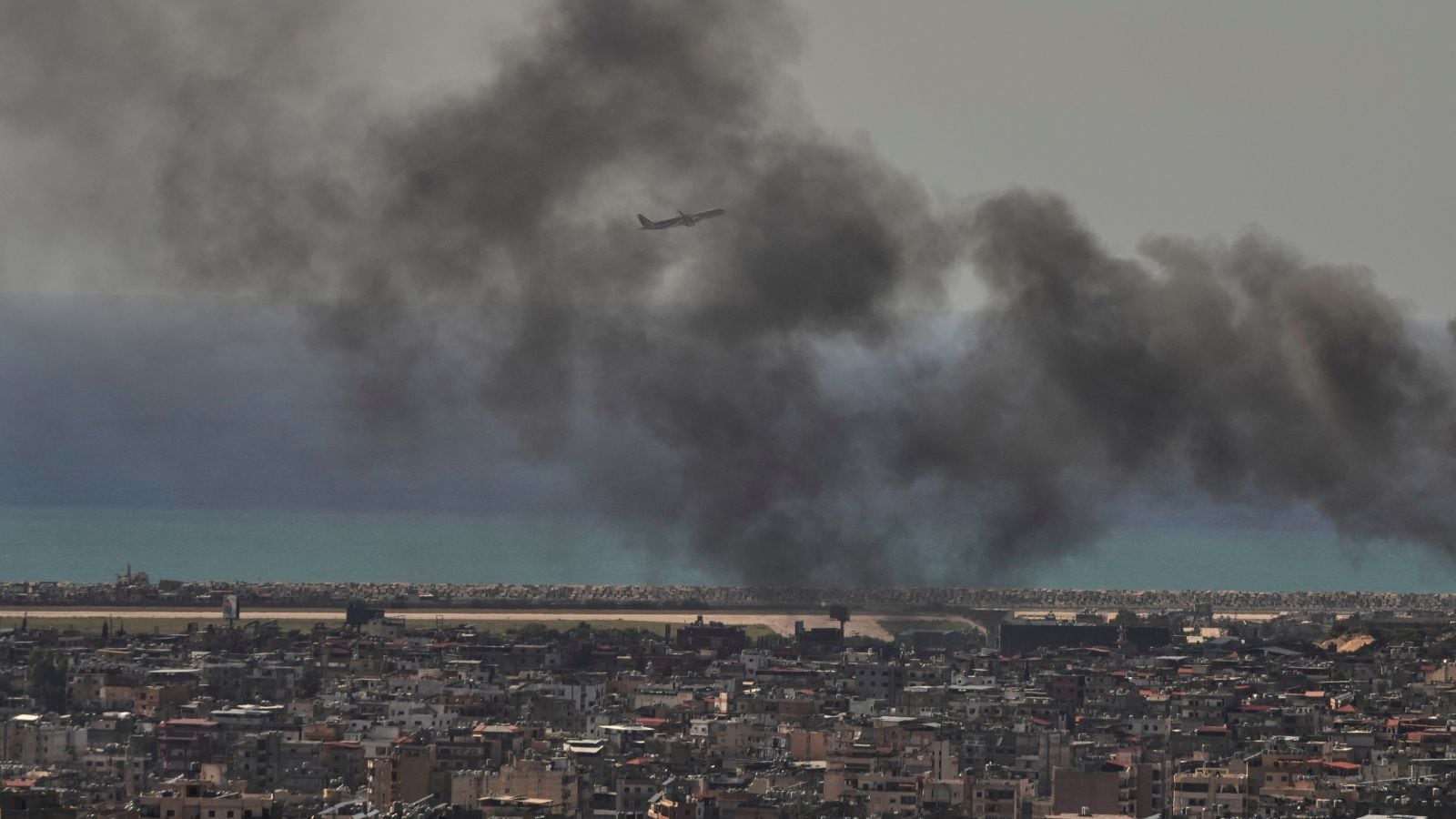
The Middle East is on fire, and Pakistan’s fuel pumps are feeling the heat. If you’ve noticed the sudden shift in government urgency lately, it’s not just political noise. The Shehbaz Sharif administration basically just told the entire country to brace for impact. With the US-Israel-Iran conflict paralyzing the Strait of Hormuz—a tiny stretch of water where 20% of the world’s oil flows—Pakistan is staring down a potential supply dry-up.
This isn't just about high prices anymore; it's about whether the petrol will even be there when you pull up to the station in April. The government's latest appeal for public conservation isn't a suggestion. It’s a red alert. They’re trying to stretch the 25 days of stock we have left into a bridge that reaches the other side of this regional crisis.
The emergency blueprint for 2026
The Prime Minister’s Office didn't hold back in its latest briefing. They’ve laid out a "National Energy-Saving Action Plan" that looks more like a wartime mobilization than a standard policy update. The goal is simple: cut consumption now so we don't have to deal with dry pumps and a total economic standstill later.
Here’s what’s actually happening on the ground right now:
- A four-day work week: Most government offices are officially shifting to a Monday-to-Thursday schedule.
- Mandatory Remote Work: 50% of public sector staff must work from home. The private sector is being "strongly encouraged" to do the same.
- School Closures: Educational institutions across the country are shifting to online classes again, reminiscent of the 2020 lockdowns.
- Official Austerity: Fuel allowances for government vehicles have been slashed by 50%. Ministers have lost their free petrol quotas entirely for the next two months.
Why the Strait of Hormuz matters to your wallet
You might wonder why a fight thousands of miles away matters in Lahore or Karachi. Honestly, it’s because we’re incredibly vulnerable. Pakistan imports nearly 70% of its petroleum products. Most of that comes through the Persian Gulf.
When Iran threatens to close the Strait of Hormuz, or when insurance premiums for tankers skyrocket because of the "war risk," the cost of getting a single barrel of oil to Karachi's port jumps. We’re already seeing petrol price hikes of Rs. 25-55 per litre in a single go. If the conflict drags on, some experts at the State Bank warn oil could hit $100 a barrel.
Currently, our reserves are thin. While we have about 25 days of petrol and diesel, our crude oil stocks are sitting at a measly 11 days. That’s a razor-thin margin for error. If a single cargo is delayed or redirected, the ripple effect through the local supply chain happens almost instantly.
How the government is trying to outrun the shortage
Islamabad isn't just sitting and waiting for the tanks to run dry. They’re scrambling for alternatives. One of the biggest moves is a formal request to Saudi Arabia to use an alternative route through the Red Sea port of Yanbu. It’s longer and more expensive, but it bypasses the "kill zone" in the Strait of Hormuz.
The government is also shifting fuel price revisions from every two weeks to a weekly basis. Why? Because they can't afford to eat the cost of global price spikes for 14 days. They need to pass that cost to the consumer immediately to keep the Oil Marketing Companies (OMCs) from going bankrupt. It’s a brutal reality, but without it, the companies simply won't import the fuel, and the pumps will stay locked.
What you can actually do to help
It’s easy to feel like your individual habits don't matter, but they do when millions of people act at once. The government is pushing for "carpooling" and avoiding "unnecessary travel." In plain English: stop driving if you don't have to.
- Revive the WFH mindset: If your boss allows it, stay home. Every kilometer you don't drive keeps a few more liters in the national reserve.
- Maintain your vehicle: A poorly tuned engine or under-inflated tires can tank your fuel efficiency by 10% or more.
- Plan your errands: Don't make three trips when one will do.
- Avoid hoarding: Panic-buying only makes the shortage happen faster. The government insists there’s enough for March if everyone stays calm.
The risk of doing nothing
If we ignore these conservation calls, the next step isn't just higher prices—it's rationing. We’ve seen this movie before in other countries facing energy crises. You end up with "odd-even" license plate days or limits on how many liters you can buy at a time.
The Finance Ministry is trying to avoid this because it kills economic productivity. They’re also worried about the "fiscal bulge"—the massive hole in the budget created when the government has to subsidize fuel or pay massive premiums for emergency shipments.
Moving forward with a conservation mindset
The situation is fluid, and frankly, it's pretty tense. The latest handout from the Prime Minister’s Office warns that "further conservation measures will have to be taken in the coming days" if the regional instability doesn't cool down.
For now, the best thing you can do is audit your own fuel use. Check if your office has implemented the 50% work-from-home policy yet. If you're a business owner, look into shifting your operations online where possible. We’re in a phase where saving a liter of petrol today might be the only reason you have any in your tank two weeks from now.
I can help you draft a remote-work transition plan for your team or summarize the latest provincial-specific conservation rules for Punjab or Sindh.