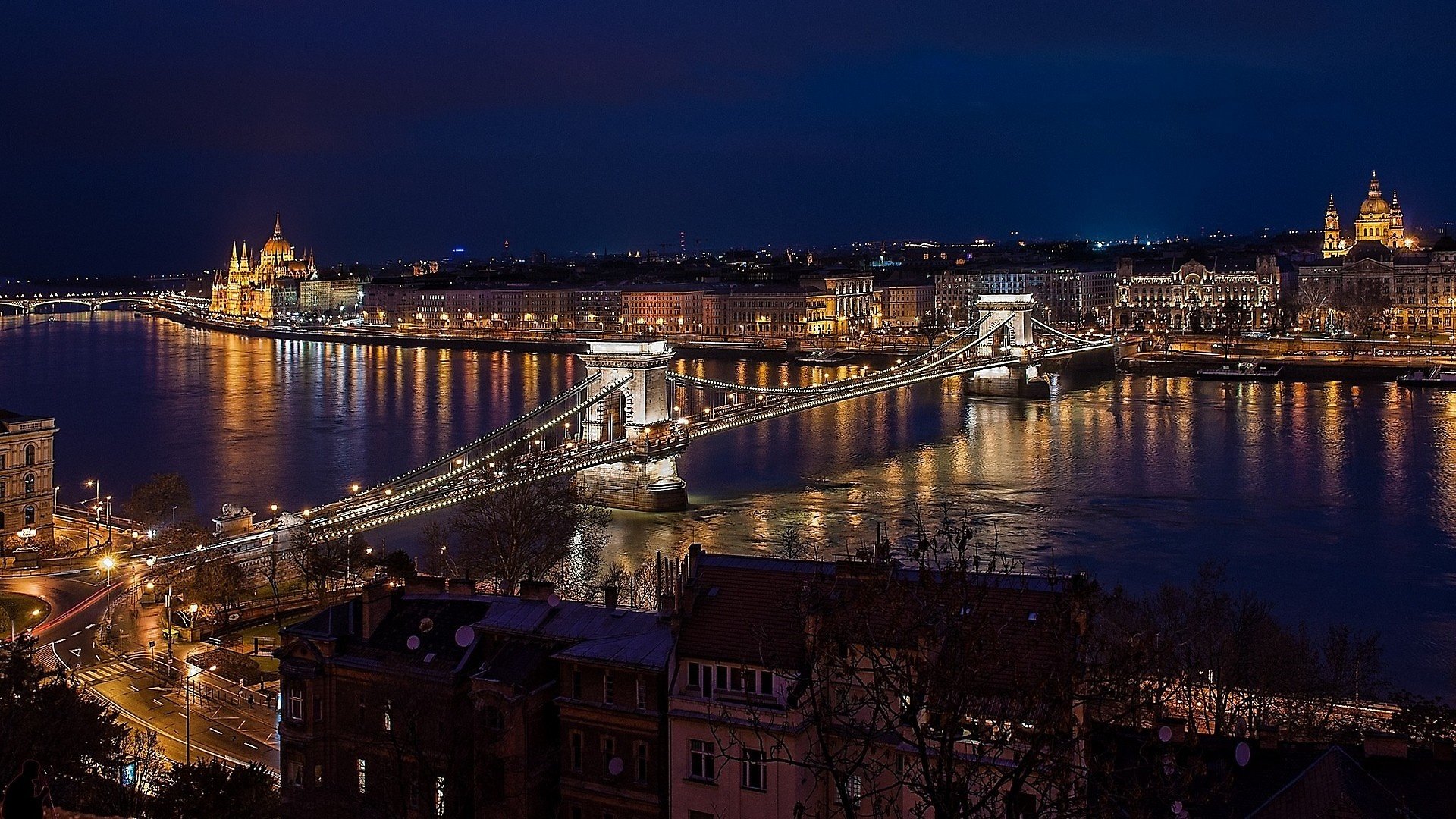
The air in Budapest didn’t just feel different last night. It tasted like something we haven’t had in nearly two decades. Freedom is a heavy word, but when you saw the crowds flooding across the Chain Bridge, singing until their voices cracked, there wasn’t any other way to describe it. Viktor Orbán is out. The results are final, the maps have turned a color Fidesz hasn't seen in ages, and the "illiberal democracy" experiment has officially hit a wall.
You could hear the shift before you saw it. It started as a low hum in the bars of the seventh district and grew into a roar that echoed off the Parliament walls. For years, this city lived under a kind of gray cloud of "what if" and "not yet." People got used to looking over their shoulders or weighing their words before talking about the government in public. That ended at 11:13 PM when the final projections made the lead insurmountable.
This wasn't just a win for a coalition; it was a total rejection of a system that tried to turn Hungary into a closed loop. If you’ve been following Hungarian politics, you know the deck was stacked. The media was captured. The districts were gerrymandered. Yet, the turnout numbers broke records that had stood since the fall of communism. People didn't just vote; they showed up to reclaim their identity.
Why the Orban Machine Finally Broke Down
The standard narrative will tell you this was about the economy. Sure, inflation and the weakening Forint played a massive role, but that’s a surface-level take. The real reason Fidesz crumbled is that they lost the youth and the middle class simultaneously. You can’t build a "Christian-Nationalist" fortress and expect people who want to be part of the global world to just sit quietly forever.
Orbán’s strategy relied on a divided opposition and a constant stream of external enemies—Brussels, migrants, George Soros, the list goes on. But you can only yell about shadows for so long before people realize their real problems are crumbling hospitals and a school system that’s decades behind the rest of Europe. The coalition stayed together this time. They didn't let the internal bickering ruin the chance to win. They focused on a simple message: "Enough."
I spoke with students near Deák Ferenc tér who were literally crying. They’d never known a Hungary without Orbán at the helm. For them, this isn't just a change in policy. It’s the first time they feel like they don’t have to move to Berlin or London to have a future. That’s a powerful motivator that no state-funded propaganda machine could counter.
The Logistics of a Citywide Celebration
Budapest didn't just throw a party; it became a festival of relief. Thousands of people occupied the streets around the Oktogon. Traffic was non-existent, replaced by a sea of Hungarian and EU flags. It’s a bit of a cliché to say "the streets were dancing," but there’s no better way to put it. Total strangers were hugging. People were handing out bottles of beer and pálinka to anyone walking by.
The police, usually a stern presence at these rallies, mostly just stood back. They knew they couldn't stop this even if they wanted to. The energy was too big. It was peaceful, loud, and genuinely hopeful. You saw grandmothers who remembered 1956 standing next to teenagers in "Gen Z for Democracy" t-shirts. That kind of cross-generational unity is exactly what Fidesz tried to prevent by painting the opposition as "anti-Hungarian."
This Victory Goes Beyond the Borders
Don’t think for a second this stays in Budapest. This is a massive signal to the rest of the world. For years, populists from the US to Brazil looked at Orbán as the blueprint. They saw his "soft autocracy" as the way of the future. By winning through the ballot box—against a rigged system—the Hungarian people just proved that the blueprint is flawed.
The European Union is likely exhaling a collective sigh of relief today. The "veto king" is gone. The constant friction over the rule of law and judicial independence will start to smooth out. It won't happen overnight, obviously. The "deep state" Orbán built—placing loyalists in every university, court, and cultural institution—is still there. Dismantling that is going to be a messy, years-long process.
What the Opposition Faced
- Media Blackouts: The state-run media gave the opposition mere minutes of airtime during the entire campaign.
- Funding Gaps: Fidesz outspent the coalition by an estimated 10-to-1 ratio using "public information" campaigns.
- Legal Hurdles: Constant changes to election laws meant the opposition had to run a near-perfect ground game.
Despite all that, the sheer volume of voters overwhelmed the system. It’s a lesson in persistence.
Getting the Country Back on Track
Now comes the hard part. The party ends, the hangovers fade, and the new government has to actually govern. They’re inheriting a mess. The treasury is leaner than they’ve let on, and the institutional damage is deep. The new Prime Minister-elect has already promised a "government of reconciliation," but that’s easier said than done when the country is this polarized.
The immediate priorities are clear. They need to restore the independence of the courts and get the EU funds flowing again. They need to fix the teacher shortages that have plagued the country for years. But more than anything, they need to show the people who voted for Fidesz that they aren't the enemy.
The coming weeks will see a flurry of activity. Expect investigations into the massive state contracts handed out to Orbán’s inner circle. Expect a fast-track return to international cooperation. But for today, none of that matters to the people on the streets. They’re just happy to be awake in a country that feels like theirs again.
If you're in Budapest right now, go toward the river. You’ll see the Parliament building lit up, and for the first time in a generation, it doesn't look like a fortress. It looks like a workplace. The work of rebuilding a democracy is boring, difficult, and slow. But as the sun comes up over the Danube, it’s work that everyone seems ready to do.
Keep your eyes on the official transition announcements over the next 48 hours. Watch the appointments for the Ministry of Justice and the Ministry of Finance. Those will be your first real indicators of how fast the "de-Orbánization" of Hungary will actually go. Don't expect miracles, but do expect a much louder, much freer conversation about what comes next. The era of the "strongman" in Central Europe just took a hit it might never recover from.


