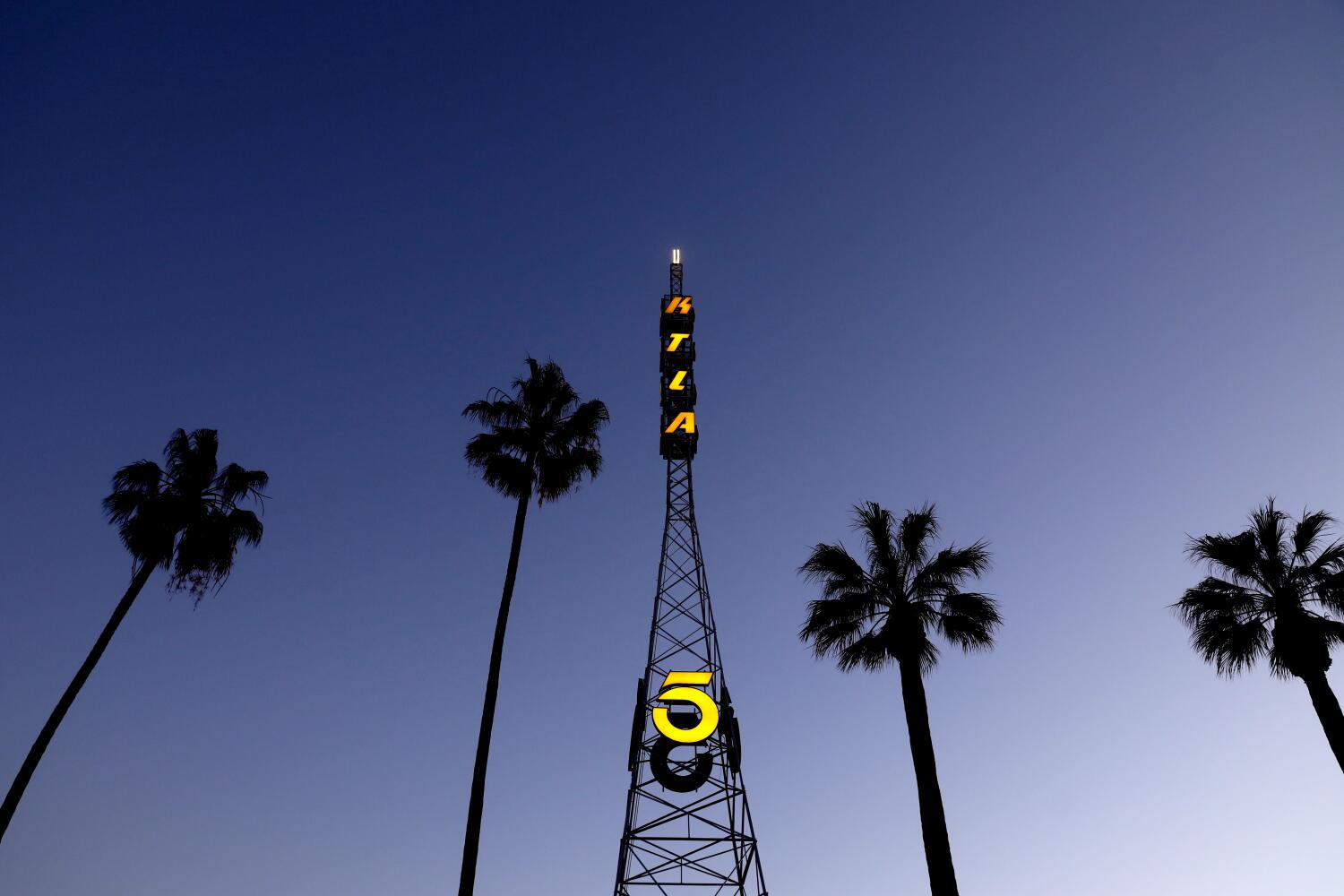
Nexstar Media Group officially closed its $6.2 billion acquisition of TEGNA on Thursday, March 19, 2026, effectively ending a three-year saga that saw one of the nation's last major independent broadcasters swallowed by a Texas-based conglomerate. The deal received a final, rapid-fire blessing from the Federal Communications Commission and the Department of Justice, even as a coalition of eight state attorneys general filed a last-minute federal lawsuit to halt the merger. By the time the ink dried, Nexstar had cemented its position as the undisputed king of local television, controlling 265 stations across 80% of American households—a reach that technically defies federal ownership caps but was pushed through under a wave of regulatory waivers.
The consolidation of TEGNA into Nexstar is not just another corporate merger; it is the final structural realignment of how millions of Americans receive their news. While Nexstar CEO Perry Sook argues that the deal is necessary to protect local journalism from the encroachment of big tech, the reality on the ground is far more clinical. The transaction creates a broadcast behemoth with unprecedented leverage over cable providers and an appetite for newsroom efficiencies that often translate to fewer local reporters and more shared, centralized content.
The Regulatory Squeeze
For years, the 39% national audience reach cap stood as a firewall against total corporate dominance of the airwaves. Nexstar has blown past that limit. The FCC, led by Chairman Brendan Carr, granted the necessary waivers by arguing that the traditional broadcast market is no longer a vacuum. In the eyes of the current commission, a local TV station isn't just competing with the station across the street; it is fighting for survival against Google, Meta, and Netflix.
This shift in perspective allowed Nexstar to bypass decades of antitrust precedent. By labeling the merger an act of "preservation," the company successfully reframed a massive expansion as a defensive necessity. Critics, however, point to the mechanics of the deal as proof of a different motive. To gain approval, Nexstar agreed to divest only six stations in markets like Denver, Indianapolis, and New Haven. It is a drop in the bucket compared to the 64 stations it absorbed from TEGNA.
The states suing to block the deal—including New York, California, and Illinois—claim this concentration of power will lead to higher cable bills. When one company owns multiple top-rated stations in a single city, they can demand significantly higher retransmission fees from providers like DirecTV and Comcast. Those costs never stay with the providers. They are passed directly to the consumer in the form of "broadcast fee" surcharges on every monthly bill.
The Consolidation Machine
The TEGNA acquisition marks the end of an era for local news autonomy. TEGNA stations, formerly part of Gannett, were known for a specific brand of "innovation" that prioritized digital storytelling and long-form investigation. Nexstar operates differently. Its model is built on scale.
In cities where Nexstar now owns two or three stations, the "duopoly" model becomes the standard. This frequently leads to shared newsrooms where a single reporter produces a story that airs on two different channels, perhaps with a different coat of paint for each. It is efficient for the balance sheet, but it eliminates the internal competition that once drove local newsrooms to beat each other to a story. When the same company owns the news at 5:00, 6:00, and 11:00 on three different channels, the public loses the diversity of perspective that is the bedrock of local accountability.
The financial pressure is immense. Nexstar took on significant debt to fund this $6.2 billion purchase. To pay it down, the company expects to find $300 million in "synergies"—a corporate term that almost always serves as a precursor to layoffs and department mergers.
The Political Dimension
The timing of the approval cannot be ignored. The deal sat in limbo for months before receiving a sudden green light following endorsements from high-level political figures who see local broadcasting as a weapon against national networks. By framing the merger as a way to "balance out" the media, Nexstar tapped into a vein of political grievance that proved more effective than any legal argument.
FCC Commissioner Anna Gomez, the lone dissenting voice, noted that the approval happened behind closed doors without a formal public vote. This lack of transparency has left many in the industry wondering if the rules of the game have permanently changed. If a single company can reach 80% of the country through a series of "public interest" waivers, the national ownership cap effectively no longer exists.
The Cost of the Signal
The immediate impact will be felt in the 31 markets where Nexstar and TEGNA overlapping interests previously competed. In these regions, the struggle for local advertising dollars is over. Nexstar now holds the keys. For local businesses, this means less bargaining power and higher rates for commercial spots.
For the viewer, the changes will be subtler. It starts with a shift in the evening news lineup, perhaps more segments produced at Nexstar’s headquarters in Irving, Texas, and fewer produced by a local bureau. It ends with a local media landscape that is more uniform, more corporate, and less connected to the specific needs of the community it serves.
Nexstar’s victory is a masterclass in corporate persistence. After the previous attempt to buy TEGNA by Standard General collapsed under regulatory weight in 2023, Nexstar waited for the political winds to shift. They didn't just buy a company; they bought the future of the medium. Whether that future includes a vibrant, independent press or a series of centralized signal repeaters remains the $6 billion question.
Would you like me to analyze the specific divestiture requirements in the Denver or Indianapolis markets to see how they might affect local competition?