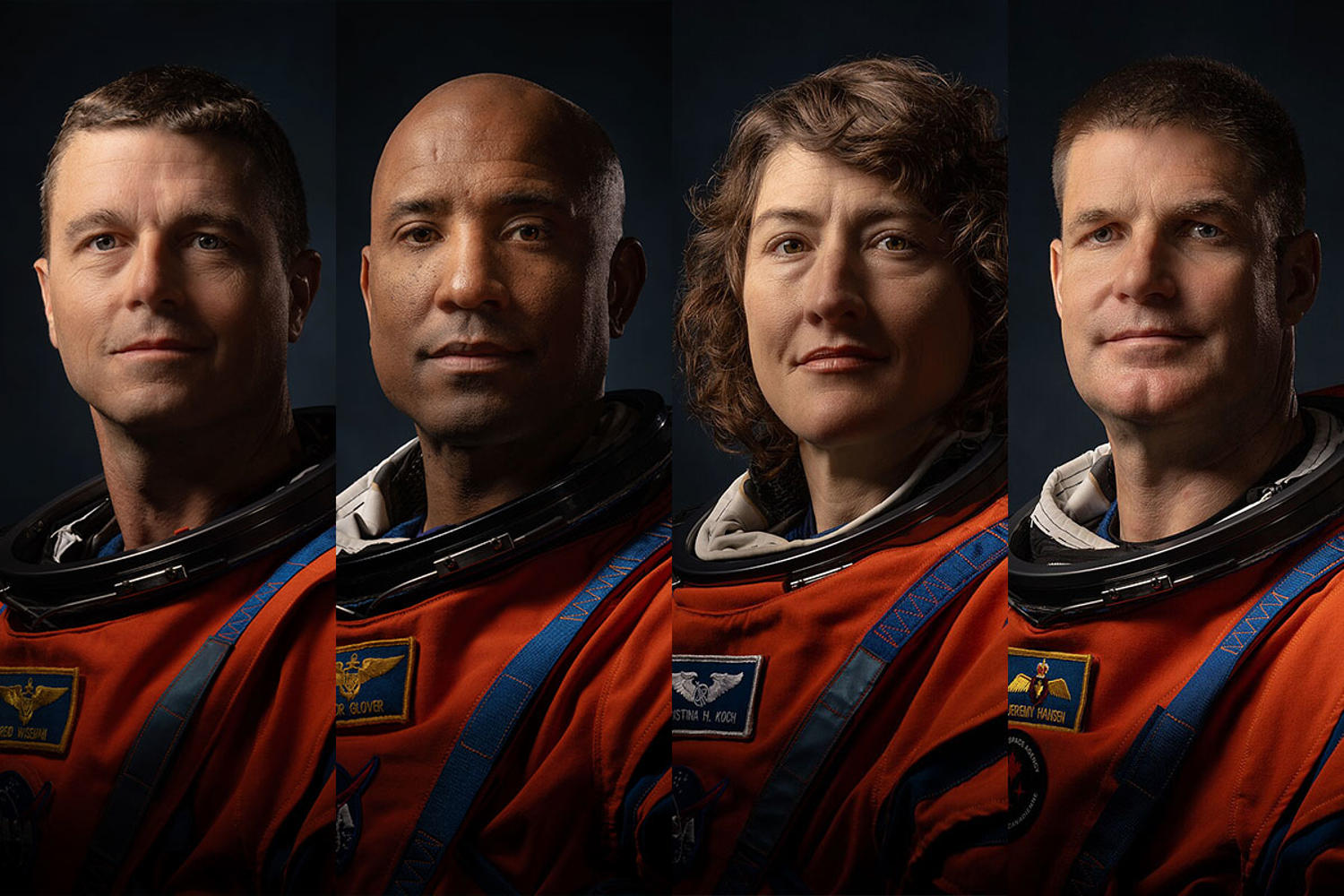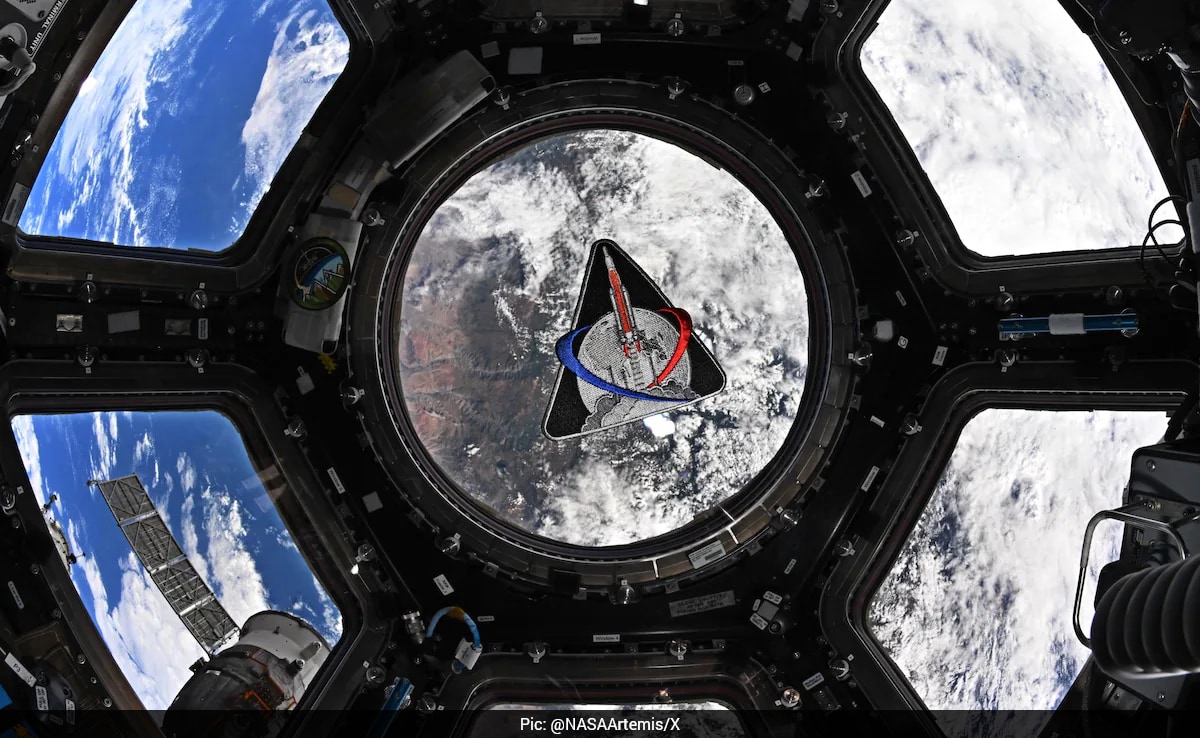
The wait is over. Today, April 1, 2026, the Space Launch System (SLS) isn't just a collection of expensive orange foam and steel sitting on a Florida launchpad. It’s the vehicle carrying four humans—Reid Wiseman, Victor Glover, Christina Koch, and Jeremy Hansen—to the far side of the Moon. This isn't a "test" in the way you test a new smartphone. It’s a 5.75-million-pound explosion managed by computers, pushing a capsule 4,700 miles beyond the lunar surface.
You’ve probably heard the hype about this being the "most powerful rocket ever." That’s true for now, but power doesn't mean safety. The Artemis II mission is a massive gamble on legacy hardware and a heat shield that literally "blew chunks" during its last uncrewed flight. If you think this is just a victory lap for NASA, you’re missing the tension inside Mission Control.
The Heat Shield Gamble Nobody Likes to Mention
Let’s get straight to the point. The Orion capsule has a problem. During the Artemis I mission in 2022, the heat shield—the only thing standing between the crew and 5,000°F plasma—didn't behave. Instead of wearing away slowly and predictably (a process called ablation), it "spalled." Big pieces of the Avcoat material cracked off, leaving deep gouges in the shield.
NASA spent the last two years scratching their heads. Their conclusion? Gas was getting trapped under the shield's surface, building pressure, and popping off pieces like a pressurized soda can. For Artemis II, they haven't actually changed the shield design. They can't. The capsule was already built.
Instead, they've changed the math. They’re skipping the "skip entry" maneuver—where the capsule bounces off the atmosphere like a stone on a pond—to reduce the total time the shield stays hot. It’s a compromise. You don't usually want to hear the word "compromise" when you’re talking about humans hitting the atmosphere at 25,000 mph.
Recycling the Space Shuttle One Engine at a Time
The SLS is often called a "Franken-rocket" for a reason. Look at the four RS-25 engines at the base. These aren't new. They’re refurbished engines that actually flew on the Space Shuttle. One of them, Engine E2045, first went to space in 1984 on the Shuttle Discovery. That’s more than 40 years of history pushing a "modern" moon rocket.
There’s something poetic about it, but it’s also a logistics nightmare. Each of these engines costs about $100 million. Once they push Artemis II into the sky, they’ll fall into the Atlantic Ocean and stay there. We’re throwing away museum pieces every time this thing flies.
Why SLS Still Beats Starship for Now
I know what you're thinking. "Why not just use SpaceX’s Starship?" It’s a fair question. Starship is bigger, flashier, and meant to be fully reusable. But here’s the reality: Starship hasn't proven it can keep humans alive for 10 days in deep space yet.
The SLS, despite its "old tech" vibe, is a known quantity for integrated launches. It’s the only rocket currently certified to send the Orion capsule, the crew, and all their life support directly to the Moon in one shot. SpaceX is great at the "move fast and break things" model, but when you have four lives on the line, NASA prefers the "move slow and triple-check the 40-year-old engine" approach.
What the Crew is Actually Doing Up There
This isn't a landing mission. Don't expect "one small step" moments yet. The Artemis II crew is on a "free-return trajectory." Basically, they’re using the Moon's gravity as a giant slingshot to whip them back toward Earth.
- The 24-Hour Earth Orbit: They’ll spend the first day circling Earth to make sure the life support systems aren't leaking. If something breaks here, they can still come home.
- The Proximity Demo: They’ll use the spent upper stage of the rocket as a target, practicing how to fly Orion close to other objects. This is vital for future missions where they’ll need to dock with a lunar lander.
- The Far Side View: They’ll see the "dark" side of the moon with their own eyes. Not just through a grainy camera, but through a window.
The Real Risk of the Deep Space Vacuum
Radiation is the silent killer. Once the crew leaves Earth’s magnetic field, they’re exposed to solar flares and cosmic rays that we don't deal with on the International Space Station. The Orion capsule has a "storm shelter" in the middle, surrounded by water tanks and equipment, where the crew will huddle if the Sun decides to act up.
If a major solar event happens while they’re on the far side of the Moon, they’re effectively on their own. Communications will cut out for about 30 minutes. It’s the loneliest a human can possibly be.
How We Gauge Success
Success for Artemis II isn't just about a safe splashdown. It’s about the data. If the heat shield comes back looking like Swiss cheese again, the 2028 moon landing (Artemis III) is going to be delayed—likely by years.
NASA is betting the farm on the idea that the "spalling" was a fluke or a manageable quirk. If they're wrong, the entire Artemis program might hit a wall that even billions of dollars can't climb.
Your Next Steps to Follow the Mission
- Watch the Re-entry: The splashdown is scheduled for April 10. That’s the "make or break" moment for the heat shield.
- Check the Telemetry: NASA’s "Artemis Real-time Orbit Render" (AROW) lets you see exactly where the capsule is in relation to the Moon.
- Track the Sun: Watch for Solar Weather reports. A calm Sun means a much safer trip for the crew.
The era of "flags and footprints" is over. We’re trying to build a permanent presence. But before we can live on the Moon, we have to prove we can still get there without the ship falling apart. April 2026 is the month we find out if we’ve still got it.