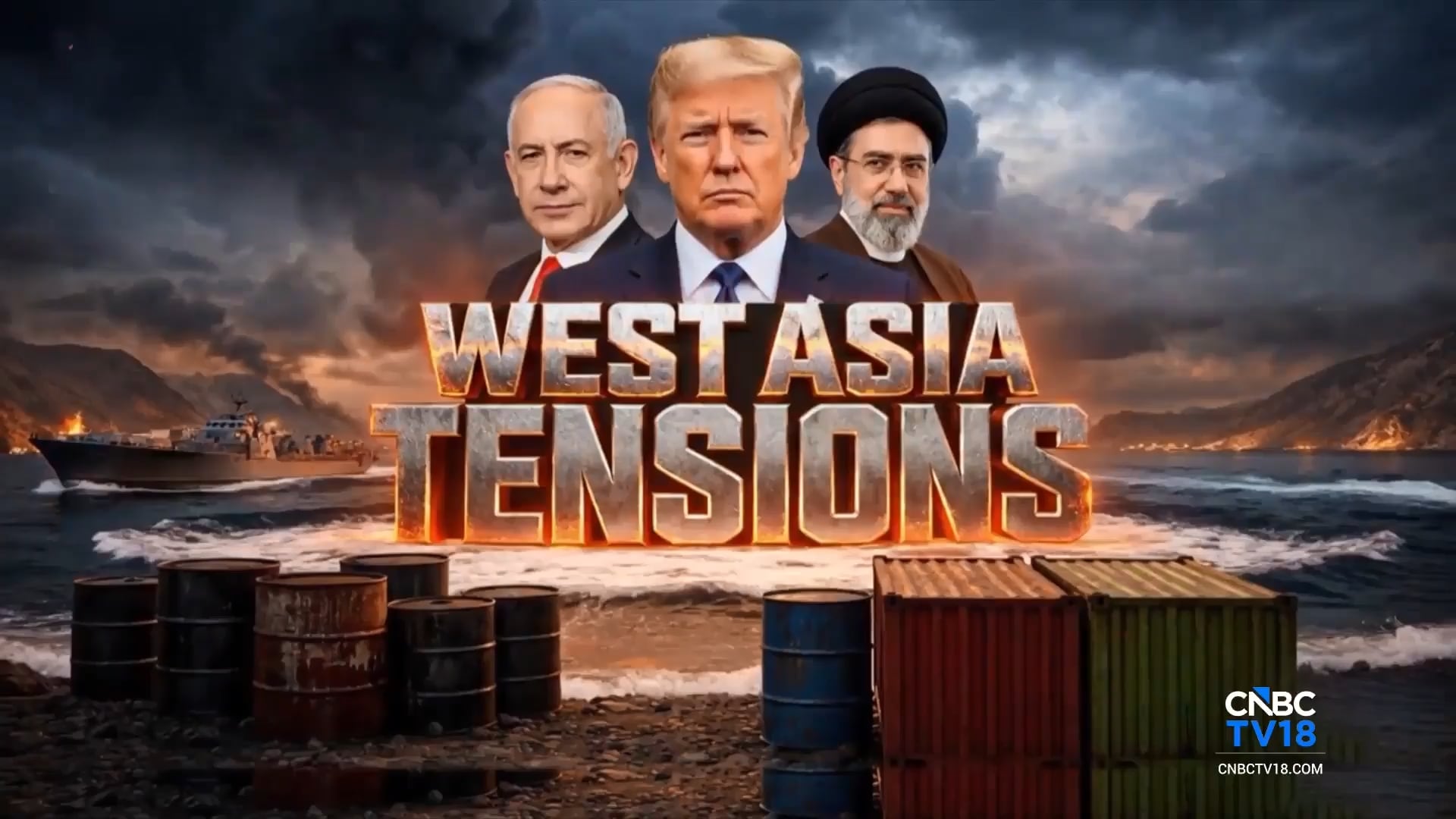
The current Iranian posture—defined by simultaneous signals of diplomatic openness and mobilization for high-intensity conflict—operates not as a contradiction, but as a calibrated mathematical function. Tehran’s strategic calculus rests on the principle that diplomatic concessions are only achievable when the cost of military engagement for the adversary exceeds the threshold of acceptable risk. By publicly articulating a readiness for both "talks" and "war," the Representative of the Supreme Leader is executing a standard application of Game Theory, specifically the Nash Equilibrium in a game of brinkmanship. In this framework, stability is only maintained if both parties believe the other is willing to defect to total conflict.
The Triad of Iranian Strategic Signaling
To understand the architecture of this rhetoric, one must decompose Iranian foreign policy into three distinct functional layers. These layers interact to create a "shield and spear" effect, designed to preserve the regime's core interests while navigating international sanctions and regional isolation.
1. The Cost-Imposition Framework
Iran’s "readiness for war" is a calculated effort to define the Price of Hostility. This involves the deployment of asymmetric capabilities—specifically ballistic missile stockpiles, unmanned aerial vehicles (UAVs), and the "Axis of Resistance" proxy network. The logic is simple: If the adversary perceives that a strike on Iranian soil will trigger a multi-front regional conflagration, the perceived utility of that strike drops toward zero. The Iranian leadership uses this threat to equalize the massive disparity in conventional military spending between themselves and Western powers.
2. The Diplomatic Utility of Ambiguity
By stating they are "ready for talks," the leadership provides a "de-escalation off-ramp." This serves a dual purpose. Domestically, it signals to a strained economy that the government is not ideologically suicidal; it is willing to negotiate if the terms are favorable. Internationally, it creates a wedge between "hawkish" and "dovish" factions within Western governments. When Iran offers a seat at the table, it forces the adversary to choose between a potentially endless war or a diplomatic solution, often leading to paralysis in the adversary’s decision-making cycle.
3. The Ideological Constraint
The Supreme Leader’s representative acts as the arbiter of "Red Lines." Unlike professional diplomats who operate in the realm of compromise, this role is to define the non-negotiable variables. In the current context, this includes the survival of the clerical establishment and the maintenance of regional influence. Any negotiation that threatens these variables is discarded, making the "readiness for war" the ultimate enforcement mechanism for these ideological boundaries.
Deconstructing the Asymmetric Military Equation
The Iranian military doctrine does not seek parity with the United States or its regional allies. Instead, it focuses on Anti-Access/Area Denial (A2/AD). This strategy is built on the assumption that while Iran cannot win a prolonged conventional war, it can make the cost of entry and the cost of victory unsustainable for the opponent.
The Strait of Hormuz Bottleneck
The geography of the Persian Gulf acts as a natural force multiplier for Iranian naval strategy. By threatening the flow of 20% of the world’s liquid petroleum gas and oil, Iran attaches a global economic penalty to any localized military action. The "prepared for war" statement specifically references the ability to disrupt global supply chains, transforming a regional conflict into a global depression event.
Missile Proliferation as a Logic of "Deep Reach"
The shift from traditional air power to a missile-centric defense is a response to the technical superiority of Western air forces. Iran’s missile program provides "Strategic Depth," allowing them to strike targets across the Middle East without needing to establish air superiority. This capability serves as a physical manifestation of the Supreme Leader’s rhetoric; the threat is credible because the hardware is distributed, mobile, and hardened against first-strike attempts.
The Economic Elasticity of Iranian Defiance
A critical oversight in standard analysis is the failure to account for the "Resistance Economy" model. The Iranian leadership has spent the better part of four decades decoupling their core survival mechanisms from the global financial system.
The efficacy of sanctions—the primary tool of Western "hostility"—has reached a point of Diminishing Marginal Returns. When an economy has already been largely excluded from SWIFT and restricted in its oil exports, the threat of "more sanctions" loses its coercive power. This creates a strategic vacuum where the Iranian leadership feels they have less to lose by engaging in military brinkmanship. The "readiness for war" is a signal that the economic pressure campaign has hit a ceiling, and further escalations will be met with physical rather than fiscal responses.
The Credibility Gap in Western Deterrence
For deterrence to work, the threat must be credible. Iran’s recent rhetoric suggests they perceive a "Credibility Gap" in the West's willingness to engage in another Middle Eastern ground war. This perception is driven by:
- The domestic political polarization within the United States.
- The exhaustion of Western military resources in secondary theaters.
- The lack of a clear post-conflict governance plan for the region.
Tehran exploits this gap by positioning itself as the party with the higher Risk Tolerance. In any conflict, the party willing to endure more pain usually dictates the terms of the engagement.
The Proxy Network as a Distributed Defense System
When the representative mentions being "prepared for war," he is not referring solely to the Islamic Revolutionary Guard Corps (IRGC) or the regular army (Artesh). He is referring to the Distributed Defense Model.
This system utilizes non-state actors in Lebanon, Yemen, Iraq, and Syria to create a "perimeter defense" far from Iranian borders. This provides Iran with "Plausible Deniability" and forces the adversary to fight multiple, disconnected wars simultaneously. The logistical burden of countering these proxies is significantly higher than the cost Iran incurs to fund them. This creates a favorable Attritional Ratio for Tehran.
Operational Limitations and Structural Risks
Despite the strength of the rhetoric, the "Talks or War" strategy carries significant systemic risks that could lead to a catastrophic failure of the Iranian state.
- Miscalculation Overhang: The primary danger of brinkmanship is that one side misinterprets a "signal" as an "action." If Iran pushes its proxy forces too far, it may trigger the very total war it is trying to avoid through deterrence.
- Internal Socio-Economic Fragility: While the "Resistance Economy" is resilient, it is not infinite. High inflation, water scarcity, and demographic pressures create internal friction. A prolonged "readiness for war" state requires massive capital allocation toward the military, further starving the civilian infrastructure and increasing the risk of domestic unrest.
- Technological Obsolescence: While missiles and UAVs are effective today, the rapid development of laser-based directed energy weapons (DEW) and AI-driven interceptors could eventually neutralize Iran’s asymmetric advantages, rendering their "prepared for war" stance obsolete within the next decade.
The Path Forward: Strategic Recalibration
The international community must recognize that the Iranian "readiness for talks" is not a sign of weakness, and their "readiness for war" is not mere bluster. They are two sides of a single coin: The Strategy of Maximum Pressure Counter-Leverage.
The only viable path to a stable equilibrium is a framework that addresses the Security Dilemma of all regional players. This requires moving beyond a "nuclear-only" focus and addressing the ballistic missile and proxy components that Iran uses as its primary deterrents. However, such a negotiation is impossible as long as the Iranian leadership perceives that "war" is their only guarantee of survival.
The current stalemate will persist until the cost-benefit analysis for both sides shifts. For the West, this means either increasing the credibility of a military strike (highly risky) or offering a diplomatic package that provides Iran with a guaranteed "security floor." For Iran, it means recognizing that the "Resistance" model has a terminal point beyond which the state itself begins to erode from within.
The immediate tactical move for regional powers is to strengthen localized defense pacts and integrated air defense systems. This reduces the efficacy of Iran’s asymmetric "spear," thereby forcing Tehran to lean more heavily on the "talks" side of their dual-track strategy. By neutralizing the threat of war through collective defense, the international community can finally make the "talks" component of Iranian rhetoric a functional reality rather than a stalling tactic.


