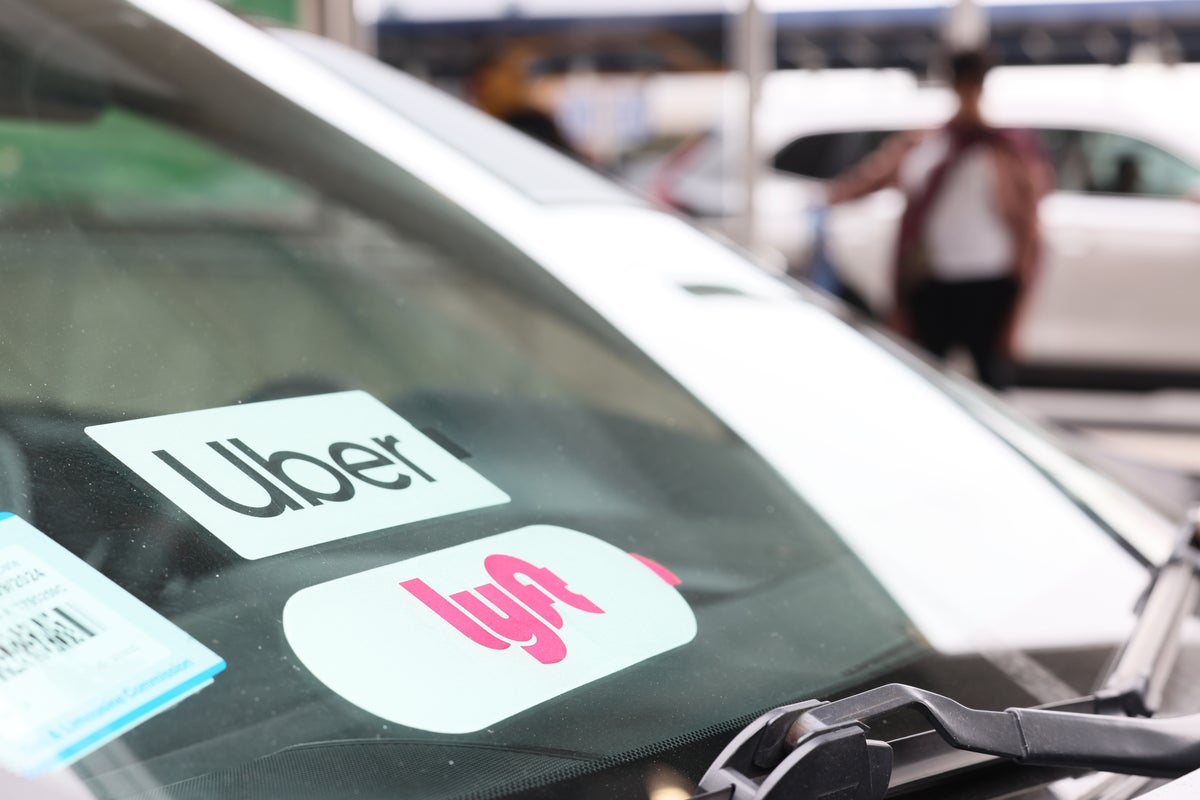
The press release was predictable. Following a high-profile incident where a blind student was denied a ride, Lyft announced a "guaranteed" service animal policy. The media swallowed it whole. They framed it as a triumph for accessibility. They called it a moral victory.
They are wrong.
This isn’t about civil rights; it’s about corporate liability masking a systemic failure. By doubling down on a "guaranteed" model without addressing the fundamental mechanics of the gig economy, Lyft is setting the stage for more frequent, more hostile, and more dangerous denials. I’ve spent years analyzing the friction between platform algorithms and labor law. This move is a textbook example of a "paper fix" that ignores the cold, hard reality of the road.
The Myth of the Algorithmic Guarantee
Let’s dismantle the word "guarantee." In a traditional taxi fleet, a dispatcher can command an employee to take a fare. In the world of 1099 contractors, Lyft has zero control over the driver until the doors are locked and the car is moving.
When Lyft "guarantees" a ride for a passenger with a service animal, they are making a promise they lack the physical infrastructure to keep. The algorithm cannot account for the driver who has a severe allergy, the driver whose religious beliefs create a conflict, or the driver who is simply a bigot. By promising a guarantee, Lyft shifts the burden of conflict from their corporate offices to the curb.
When that "guaranteed" ride doesn't show up—or when the driver pulls away as soon as they see the harness—the disappointment isn't just a service failure. It’s a betrayal of a specific promise. Lyft is trading long-term trust for a short-term PR cycle.
The Liability Loophole Nobody Mentions
Under the Americans with Disabilities Act (ADA), service animals must be accommodated. That is the law. But Lyft’s new "enforcement" mechanisms are a blunt instrument.
Here is the dirty secret: drivers are terrified of false reports. We’ve seen a massive uptick in "deactivation-baiting," where passengers use the threat of a service animal report to settle scores or get free rides. Conversely, drivers who legitimately cannot transport an animal (due to documented medical reasons) are being swept up in mass deactivations to satisfy the PR gods.
If you create a system where a single unverified report leads to a permanent loss of livelihood, you don't create "inclusion." You create a culture of resentment. You make the service animal a symbol of risk for the driver. When a driver sees a person with a guide dog, their first thought shouldn't be, "Is this the ride that gets me fired?" But thanks to Lyft's heavy-handed response, that is exactly what’s happening.
Why Technical Solutions Are Failing Social Problems
Lyft wants you to believe this is a software problem. If they just tweak the "trust and safety" flow, the problem vanishes. This is the "lazy consensus" of Silicon Valley: that every human bias can be coded away.
It can’t.
The Friction of the "Unseen" Rider
The core issue is that the driver doesn't know there is a service animal until they arrive at the GPS pin. At that moment, the power dynamic is at its most volatile.
- The Driver is focused on the "turn and burn"—maximizing rides per hour.
- The Passenger is focused on basic mobility.
- The Interface is silent on the specific needs of both.
If Lyft actually cared about the blind student in that headline, they would implement a "Preferred Driver" tier for accessibility—drivers who opt-in, receive specialized training, and get a higher per-mile rate for their expertise and the extra cleaning required. But that would cost Lyft money. It’s much cheaper to issue a "guarantee" and then ban any driver who triggers a complaint.
The Economics of Hair and Dander
Let’s talk about the math. A driver in a mid-sized city might net $18 an hour after gas and insurance. If a service animal leaves a significant amount of hair or dander in the car, that driver has two choices:
- Stop working for 30 minutes to vacuum the car (losing $9 in opportunity cost plus the cost of the vacuum).
- Continue driving and risk a "dirty car" rating from the next passenger, which leads to deactivation anyway.
Lyft’s "guarantee" includes no mention of increased cleaning stipends or time compensation for drivers. By ignoring the physical reality of transporting animals, Lyft ensures that drivers will continue to "ghost" these pickups. They won't cancel the ride—which creates a paper trail—they will simply drive past the passenger or park a block away until the passenger cancels.
The "guarantee" makes the driver more elusive, not more compliant.
Real Inclusion vs. Performance Inclusion
If we want to fix this, we have to stop pretending that 1099 contractors are the same as public bus drivers. They aren't.
True innovation would look like this:
- Incentivized Compliance: Instead of punishing denials, provide a "Service Excellence" bonus for every verified service animal trip.
- Verified Documentation: Allow passengers to pre-verify their service animal status in the app (voluntarily) to match them with drivers who have already consented to the "Pet-Friendly" or "Accessibility" filters.
- Hardware Integration: Partner with companies to provide removable, heavy-duty seat covers for drivers who frequently handle service animal calls.
Lyft did none of this. They chose the path of least resistance: a press release and a threat.
The Cost of the "Guaranteed" Lie
Every time a tech giant "guarantees" a human behavior, they degrade the actual experience for the people they claim to help. The blind student who was denied a ride didn't need a new policy; they needed a driver who was incentivized and prepared to pick them up.
By framing this as a "guarantee," Lyft has actually increased the stakes of the confrontation at the curb. They have made the passenger a "compliance check" and the driver a "liability risk."
We need to stop applauding companies for promising things they don't own and can't control. Lyft doesn't own the cars. They don't employ the drivers. Therefore, they cannot guarantee the ride. Anything else is just marketing written in the blood of the people they’re failing.
Stop asking if Lyft’s policy is "fair." Start asking why we allowed a vital piece of public infrastructure to be run by a company that thinks a "guarantee" is a substitute for a paycheck.
The next time you see a "guaranteed" ride policy, look for the drivers parking two blocks away. That’s where the reality of the gig economy lives. And no amount of PR-friendly "inclusion" is going to bridge that gap.
Pay the drivers for the extra work, or admit that the "guarantee" is a ghost. There is no third option.