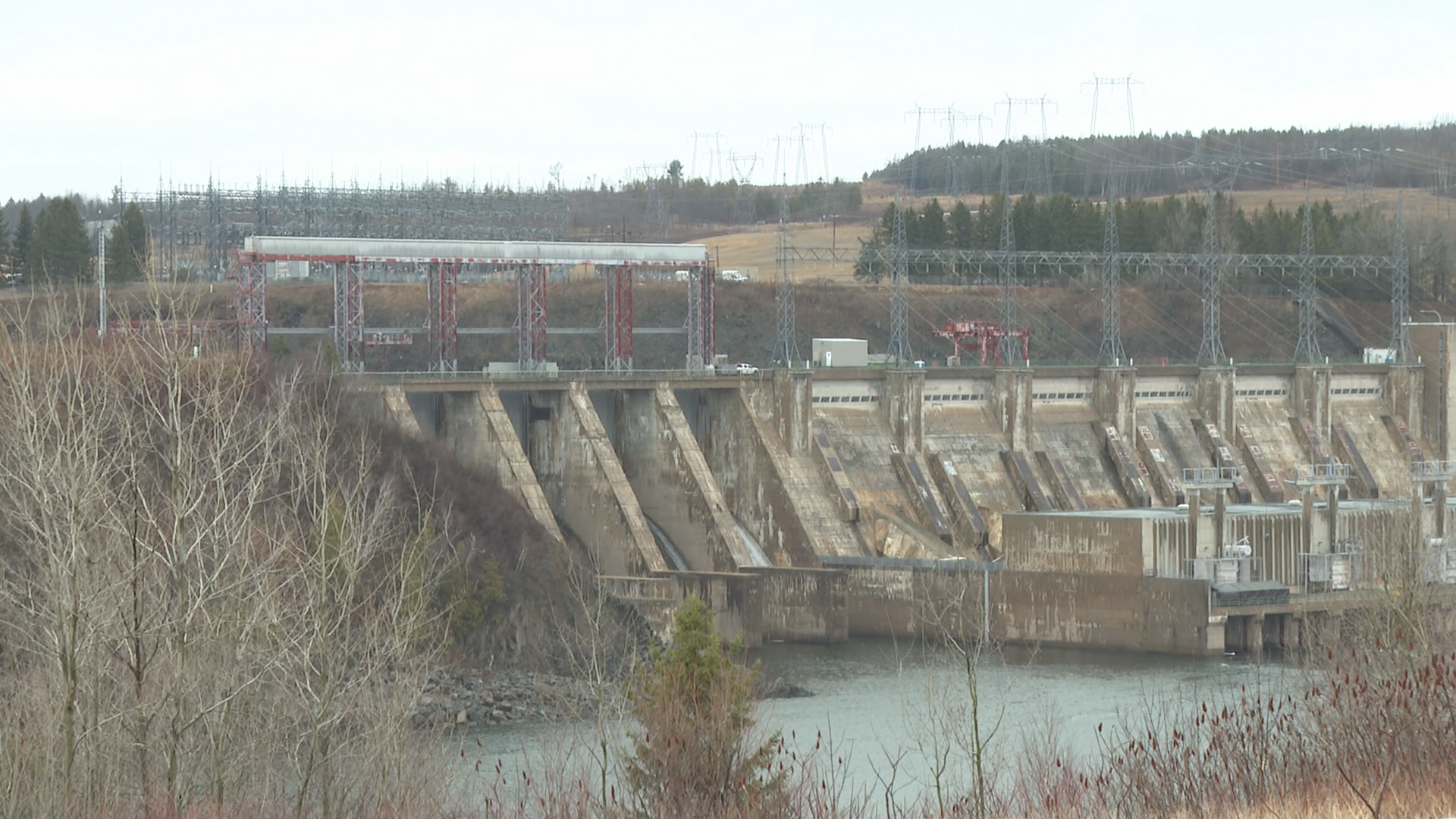
The water in the Mactaquac Biodiversity Facility doesn’t sound like a river. It lacks the chaotic, rhythmic tumble of stones or the unpredictable splash of a heavy fish breaking the surface of the Miramichi. Instead, it is a low, mechanical hum—the sound of life support. Inside these concrete tanks, thousands of Atlantic salmon fry move in synchronized silver flashes. They are oblivious to the fact that they are the only thing standing between their species and a quiet, permanent silence.
When the Canadian federal government announced it would shut this facility down, they didn't just close a building. They pulled the plug on a centuries-old pulse. For the Wolastoqey and Mi’kmaq First Nations, and for the local communities whose identities are etched into the riverbanks of New Brunswick, this isn't a line item on a budget. It is an execution notice.
The Silver Ghost
To understand what is being lost, you have to stand on the banks of the river at dawn.
Imagine a man named Elias. He has fished these waters since his grandfather taught him how to read the ripples like Braille. For Elias, the Atlantic salmon isn't just a "resource." It is the "King of Fish." These creatures are biological marvels. They spend years at sea, navigating thousands of miles of salt water, only to find their way back to the exact gravel bed where they were born. They don't use GPS. They use a sense of smell so refined they can detect a single drop of home in an ocean of noise.
But the world has become too noisy. Climate change warms the waters. Overfishing thins the schools. Habitat loss chokes the spawning grounds. By the time the salmon return to the Saint John or the Miramichi, they are exhausted. Without the Mactaquac facility, those that make it back find no sanctuary. The facility acts as a halfway house, a place where the wild genes of the river are preserved and nurtured before being released back into the fight.
If the tanks go dry, the cycle breaks. Forever.
The Math of Extinction
The Department of Fisheries and Oceans (DFO) operates on a logic that feels cold when applied to a living ecosystem. The argument for closure usually centers on infrastructure costs or shifting priorities. They look at a spreadsheet. They see a facility that requires millions in maintenance. They see a "conservation strategy" that might be more "efficient" if centralized elsewhere.
But nature doesn't care about efficiency.
Chief Ross Perley of Neqotkuk and other Indigenous leaders have been clear: without the specific, localized work done at Mactaquac, the local salmon populations face certain extinction. We aren't talking about a decline. We are talking about the total disappearance of a genetic lineage that has existed since the glaciers retreated.
When a specific run of salmon dies out, you can't just replace them with fish from another river. You can't ship in salmon from Norway or British Columbia and expect them to thrive. Evolution has spent ten thousand years fine-tuning the Miramichi salmon to survive the Miramichi. Once that specific biological "software" is deleted, there is no backup drive.
The loss is a ripple effect that touches everything. The eagles that dive for the weak fish. The bears that drag carcasses into the woods, fertilizing the massive pines with nitrogen from the deep sea. The small-town motels that rely on the lure of the river to keep their neon signs lit.
A Broken Promise
There is a visceral sense of betrayal in the voices of the New Brunswick chiefs. It stems from the fact that for decades, the government has spoken the language of reconciliation. They have promised to protect the land and honor the stewardship of the people who were here first.
Closing the facility feels like a retraction of those words.
Consider the hypothetical, yet very real, scenario of a Mi’kmaq youth attending a traditional ceremony. For her, the salmon is a teacher. It represents resilience, the ability to swim against the current, and the sacred duty of returning home to provide for the next generation. When the fish vanish, the ceremony changes. It becomes a wake. It becomes a story told in the past tense to children who will never see a silver back arching over a waterfall.
The chiefs argue that the DFO is failing its "fiduciary duty." This is a legal term, but its heart is simple: the government is supposed to be the guardian of the future. By walking away from Mactaquac, they are effectively saying the future of the Atlantic salmon is too expensive to maintain.
The Invisible Stakes
Why should someone in a high-rise in Toronto or a suburb in Vancouver care about a fish hatchery in rural New Brunswick?
Because the salmon is the "canary in the coal mine" for the entire North Atlantic. If we cannot save a species that we have studied for centuries—one that we have the literal technology to preserve in tanks until the environment recovers—what hope do we have for the rest of the planet?
The Mactaquac facility is more than a nursery; it is a laboratory for survival. It allows scientists to understand how heat stress affects fish embryos. It provides a genetic library that could be used to restock rivers once we finally get a handle on the climate crisis. It is a bridge.
If we burn that bridge now, we are deciding that the world is better off without the wild. We are accepting a sanitized, diminished version of nature where only the things that are "cost-effective" are allowed to exist.
The Human Cost
The people who work at these facilities aren't just bureaucrats. They are the people who spend their nights checking water oxygen levels during a storm. They are the ones who know the difference between a healthy fry and one that is struggling just by the way it moves.
When the facility closes, that expertise evaporates. You can't rebuild that kind of institutional knowledge overnight. You can't buy back the decades of observation and the deep, intuitive connection these workers have with the river.
Elias, our fisherman, stands on the dock. He looks at the water and wonders if he is looking at a graveyard. He remembers years when the river was so thick with salmon you felt you could walk across their backs. Now, he counts them in the dozens. He sees the closure of the facility as the final door slamming shut.
The chiefs are not just asking for money. They are asking for a seat at the table to manage these resources themselves. They are offering a different way of looking at the problem—one that doesn't prioritize a fiscal year over a thousand-year cycle. They are calling for a partnership where Indigenous traditional knowledge and modern science work together to keep the tanks humming.
The Sound of the River
The debate will continue in boardrooms and parliamentary committees. Arguments will be made about budgets, infrastructure, and "modernized" conservation. There will be talk of "difficult decisions" and "fiscal responsibility."
But none of that matters to the fish.
Tonight, in those concrete tanks, the salmon continue their mindless, beautiful dance. They are waiting for a river that might soon be empty of their kind. They are waiting for a chance to fight the current, to leap the falls, and to keep the heartbeat of the Miramichi alive for one more year.
If the pumps stop, the humming ends. And in that silence, we will have to explain to our children why we decided that the King of Fish wasn't worth the price of the electricity.
The water is still moving. For now.