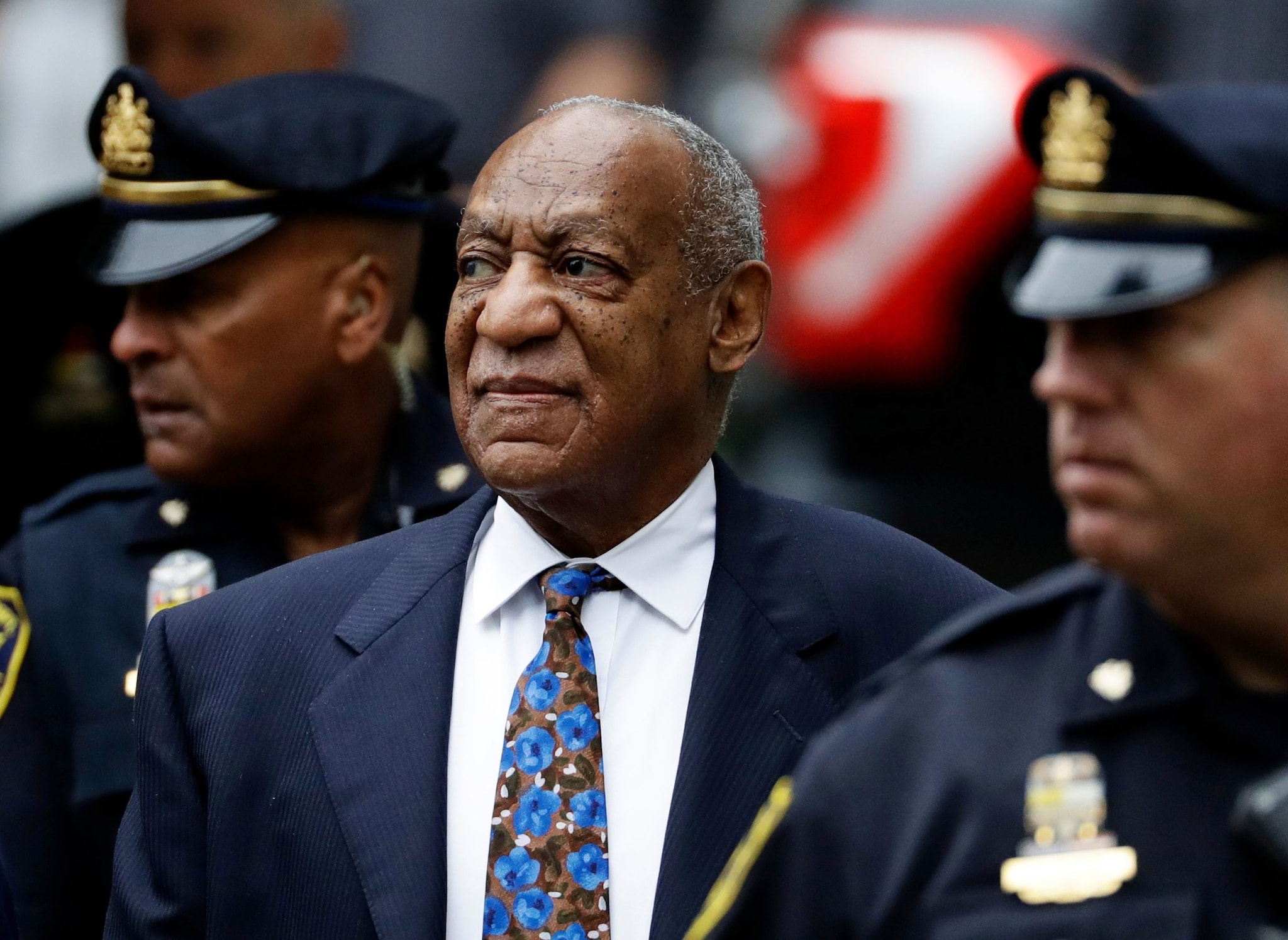
Bill Cosby spent decades as "America's Dad" before the world finally saw the wreckage he left behind. Most people remember the criminal trial in Pennsylvania that sent him to prison, or the technicality that eventually let him walk free. But the real shift in accountability didn't happen in a criminal court. It happened in a Santa Monica courtroom when a jury looked at a 1972 assault and decided that time doesn't erase the truth.
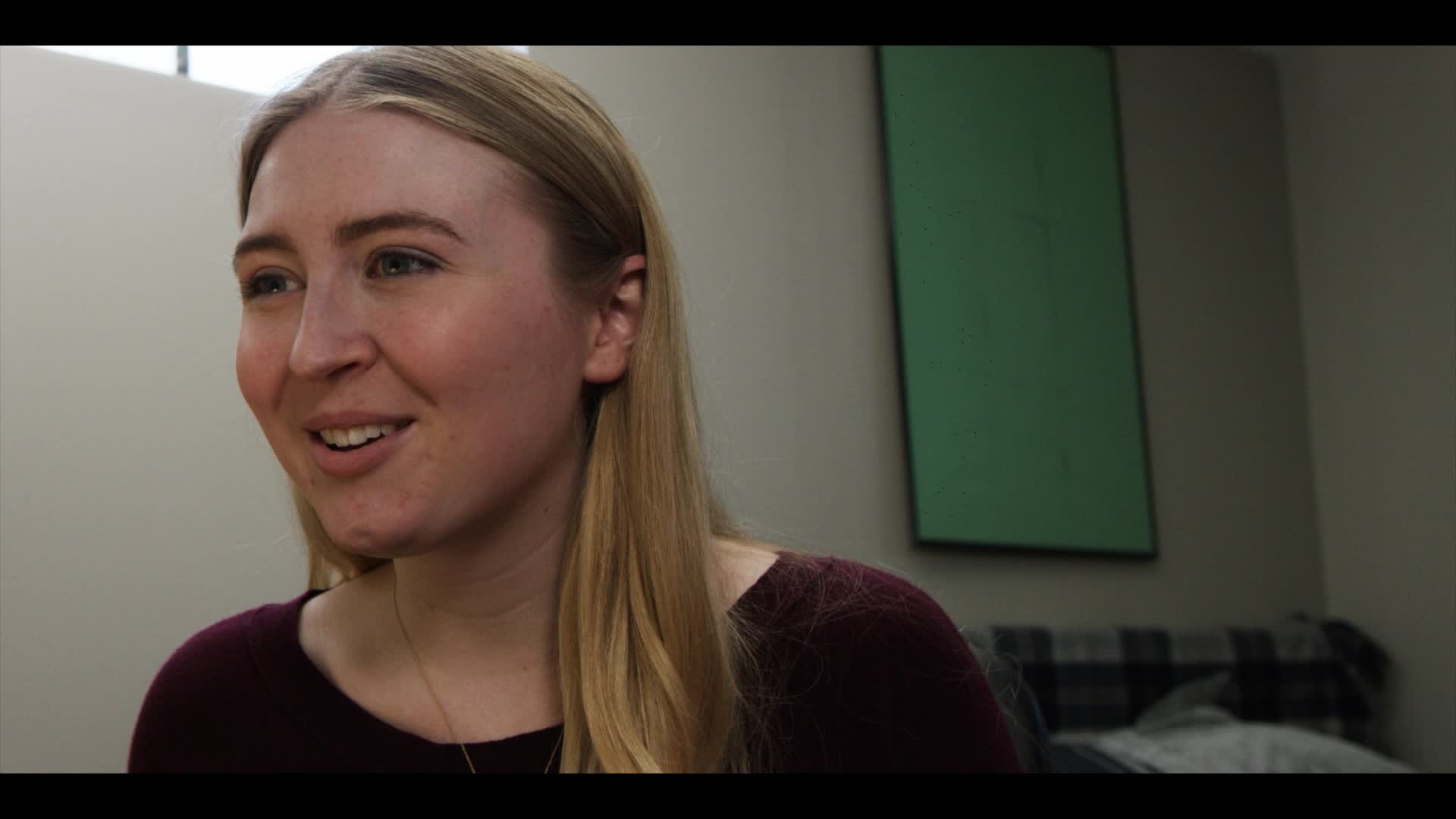
The jury ordered Cosby to pay $500,000 in compensatory damages to Judy Huth. While that number might seem small compared to the $60 million figures often floated in massive class-action headlines, the legal weight of this specific verdict is staggering. It wasn't about the money for Huth. It was about a 16-year-old girl who was taken to the Playboy Mansion and subjected to a "sexually inappropriate act" by a man she trusted.
This case proved that the legal system can finally catch up with history. California’s laws changed to give survivors a window to sue for decades-old abuse. Huth took that window and climbed through it. She didn't just win a paycheck. She dismantled the idea that a celebrity can outrun their past if they just wait long enough.
The Playboy Mansion Incident and the Long Road to Trial
Judy Huth met Bill Cosby on a film set in 1972. She was 16. He was the biggest star in the world. He invited her and a friend to the Playboy Mansion, a place that symbolized the peak of Hollywood power and debauchery. In that environment, the power imbalance wasn't just huge. It was absolute.
Huth testified that Cosby took her into a bedroom and performed a sex act on her without her consent. For years, this story sat in the dark. Cosby's legal team did what they always do. They attacked her memory. They questioned her motives. They pointed to the fact that she stayed in contact with him or didn't report it immediately.
That's the old playbook. It doesn't work as well as it used to.
The jury sat through weeks of testimony. They saw the patterns. They heard from other women who described similar "grooming" tactics. By the time they went into deliberations, the "America's Dad" persona was gone. All that was left was the evidence of a man who used his stature to trap kids.
Why the Damage Award Matters More Than the Total
The $500,000 award might look like a drop in the bucket for a man once worth hundreds of millions. Some people expected the jury to hit him with "nuclear" punitive damages. They didn't. They stuck to the facts of the harm caused to Huth specifically.
In California, compensatory damages are meant to make the victim "whole." They cover emotional distress, therapy costs, and the lifelong impact of trauma. By awarding half a million dollars, the jury sent a clear signal. They believed her. Every word.
Cosby's team tried to argue that Huth’s life wasn't "ruined" enough to warrant a big payout. It’s a disgusting tactic, honestly. They basically argued that because she functioned as an adult, the assault didn't matter. The jury saw right through that. You can be a survivor and still have a life, but that doesn't mean the person who hurt you gets a pass on the bill.
Legal Precedents and the End of Statutes of Limitations
This trial only happened because of California’s Assembly Bill 218. This law extended the statute of limitations for childhood sexual abuse. Before this, someone like Huth would have been told "too bad" because the clock ran out in the 1970s.
We’re seeing a massive shift in how the law views time and trauma. Scientists and psychologists have known for a long time that survivors often suppress memories or wait decades to speak out. The law is finally starting to reflect that reality.
Cosby’s defense tried every trick to get the case tossed. They claimed it was too old to defend. They argued that witnesses were dead and records were gone. But the jury decided that the testimony of the victim was the most important record of all. If you're looking at why this matters for the future, look at the "lookback windows" being opened in states across the country. The Cosby verdict is the blueprint for how those cases will go.
The Myth of the Perfect Victim
For a long time, if a victim didn't go straight to the cops, their case was considered dead. If they smiled in a photo with their abuser later, they were "lying." Cosby’s lawyers leaned hard into this. They showed photos. They talked about Huth’s later life choices.
It didn't stick.
Modern juries understand the "fawn" response. They understand that a teenager doesn't always know how to process being assaulted by a global icon. Sometimes they try to stay in that person’s good graces to stay safe. Sometimes they just try to forget it happened.
The Huth verdict is a victory over the "perfect victim" myth. It acknowledges that trauma is messy. It's not a straight line. You can be confused, you can wait fifty years, and you can still be telling the truth.
Moving Forward After the Verdict
If you’re following these cases, don’t just look at the dollar amounts. Look at the transcripts. Look at the way the defense tries to shame the survivor and notice how it’s failing. The era of the untouchable celebrity is over.
The next step for anyone following this isn't just watching the news. It's about supporting the legislative changes that made this possible. Look into your own state's statute of limitations. Many states still have "cliff" dates that protect abusers.
If you want to see more accountability, support organizations like RAINN or local legal aid groups that help survivors navigate these lookback windows. The Cosby case was a win, but there are thousands of Judy Huths still waiting for their day in court because their state hasn't caught up to California yet.
Check the laws in your area. If they’re outdated, call your representatives. Tell them the Cosby verdict shouldn't be an outlier. It should be the standard.