The transition was supposed to be a masterclass in theological continuity. Instead, it has become a frantic exercise in survival. On March 8, 2026, the Assembly of Experts formally elevated Mojtaba Khamenei to the position of Supreme Leader, filling the vacuum left by the assassination of his father, Ali Khamenei, just days prior. While the official portrait depicts a seamless inheritance of the Velayat-e Faqih, the reality on the ground in Tehran is one of fragmented authority and a regime held together by the steel of the Islamic Revolutionary Guard Corps (IRGC) rather than the mandate of Heaven.
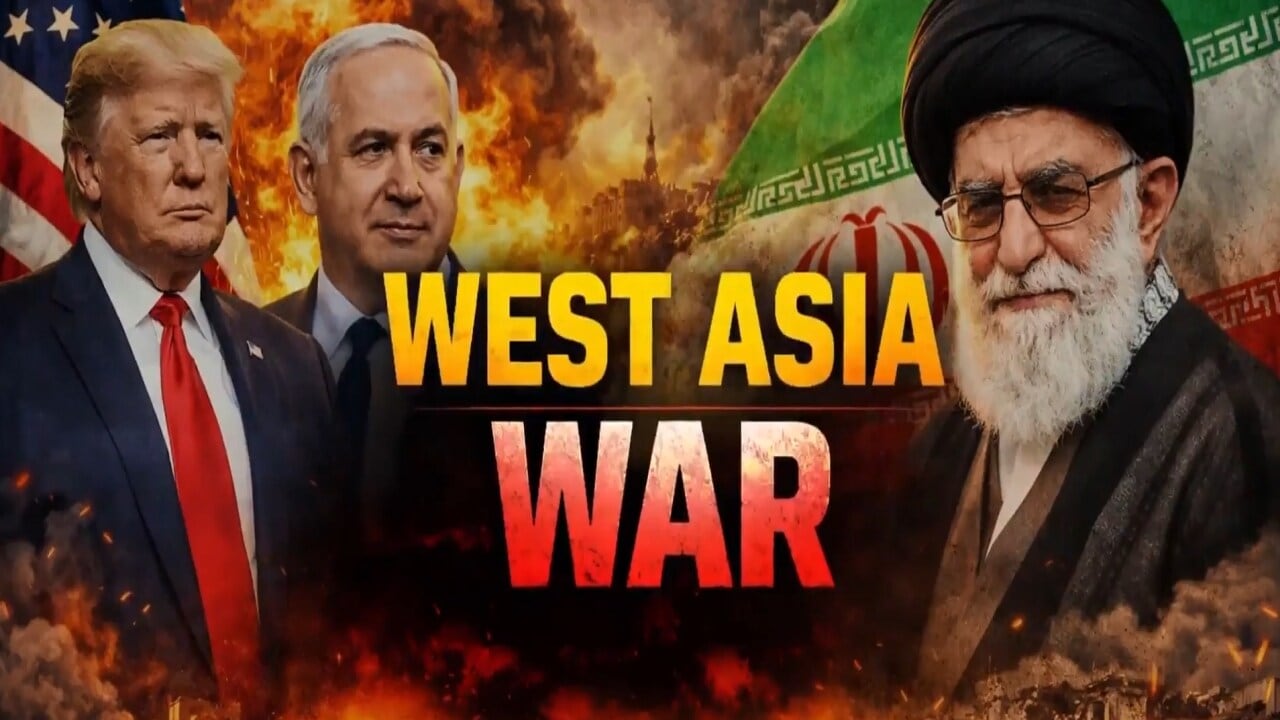
The younger Khamenei does not inherit a stable nation. He inherits a multi-front war with the United States and Israel, a domestic population in the throes of the most violent anti-government protests since 1979, and an economy paralyzed by the 60% inflation rate and the loss of critical regional allies. The crown is on his head, but the reins of power are gripped by a cadre of IRGC generals who view the new Supreme Leader more as a necessary brand than an absolute ruler.
The Security State Coup
For decades, the Islamic Republic operated on a delicate balance between the clerical establishment and the military apparatus. That balance is gone. The IRGC has effectively moved from being the "guardians" of the revolution to its owners. This shift was solidified during the chaotic week following the February 28 decapitation strikes that claimed the elder Khamenei.
During the interim period, a temporary council consisting of President Masoud Pezeshkian, Judiciary Chief Gholam-Hossein Mohseni-Ejei, and cleric Alireza Arafi technically held the keys. However, intelligence reports indicate that operational decisions—from missile launches to the brutal suppression of January’s "Bread and Freedom" protests—were dictated by a "Shadow Cabinet" of IRGC veterans. This group, including former intelligence head Hossein Taeb and Parliament Speaker Mohammad Bagher Ghalibaf, accelerated Mojtaba’s appointment to prevent a total collapse of the chain of command.
Mojtaba’s credentials as a cleric are thin. Unlike his father, who had to be rapidly promoted to the rank of Ayatollah in 1989, Mojtaba lacks even a veneer of broad religious consensus. His legitimacy is derived entirely from two sources: his surname and his deep, historical ties to the IRGC’s intelligence wing. In the eyes of the traditional clergy in Qom, he is an interloper. In the eyes of the military, he is a manageable figurehead who provides a "holy" rubber stamp for a permanent state of martial law.
Survival as the Only Strategy
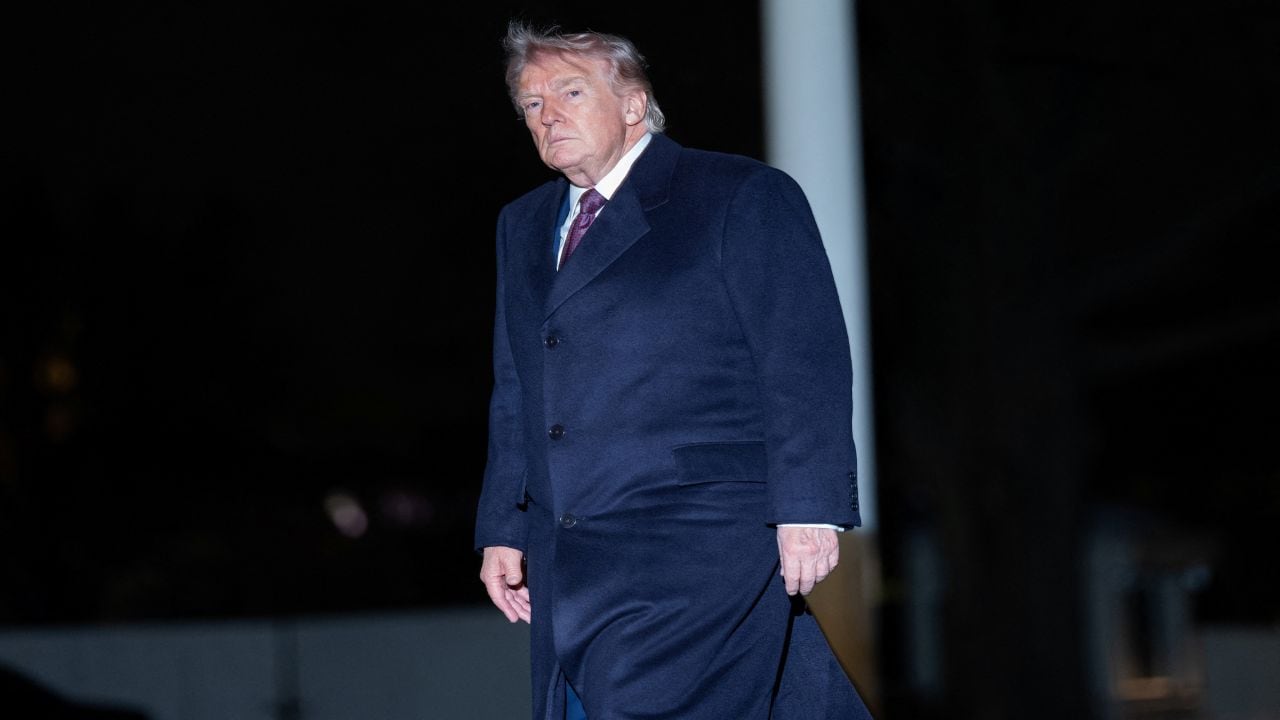
The current leadership is not debating reform or social contracts. They are debating the mechanics of endurance. President Trump’s recent threats to target the new Supreme Leader if he does not meet U.S. demands have only served to drive the regime deeper into a bunker mentality.
This siege atmosphere benefits the hardliners. By framing the current conflict as a struggle for national existence, the IRGC has successfully sidelined the more moderate elements of the bureaucracy. President Pezeshkian, once seen as a potential bridge-builder, has been reduced to a diplomatic spokesperson with zero influence over the country’s strategic "red lines."
The Pillars of Resistance
The regime’s current power structure rests on three specific, non-negotiable pillars:
- The Intelligence Monopoly: Using the IRGC’s sophisticated surveillance network to preemptively crush internal dissent before it can organize into a unified revolutionary front.
- The Axis of Resistance Continuity: Despite the loss of Bashar al-Assad in Syria and the weakening of Hezbollah, Tehran continues to funnel dwindling resources to the Houthis and Iraqi militias to maintain external leverage.
- The Succession Buffer: By appointing Mojtaba quickly, the regime avoided a prolonged internal power struggle that would have signaled weakness to Washington and Jerusalem.
The Fractured Opposition
One might expect a regime under this much pressure to buckle. It hasn't, primarily because the opposition remains a disorganized mosaic. While the protests in January 2026 reached all 31 provinces, they lacked a centralized leadership or a coherent vision for "the day after."
The IRGC exploits this vacuum. They have successfully messaged to the middle class that the alternative to the current clerical-military rule is not a liberal democracy, but "Suriye-shodan"—becoming like Syria—a descent into civil war and territorial disintegration. This fear, more than any lingering loyalty to the Khamenei family, is what keeps the regime’s bureaucratic gears turning.
The Legitimacy Deficit
The most significant threat to Mojtaba Khamenei isn't an American missile, but the "legitimacy gap." The 1979 revolution was built on the concept that a righteous jurist would lead the people. Mojtaba’s rise feels less like a divine appointment and more like a corporate succession in a failing firm.
When the IRGC moved the Assembly of Experts to a "provisional leadership structure" and suspended traditional vetting processes, they admitted that the constitution is now secondary to security requirements. This admission is fatal in the long run. A theocracy that stops pretending to be theological is just a standard military dictatorship, and military dictatorships are far more susceptible to internal coups when the money runs out or the wars are lost.
The current atmosphere in Tehran is a mixture of paranoia and grim resolve. The funeral for the elder Khamenei was delayed and altered multiple times due to security fears—a move that was widely mocked on Iranian social media. It was a visual metaphor for the new era: a leadership that is too afraid to stand before its own people.
The regime is betting that it can outlast the current war and the current U.S. administration. They believe that if they can maintain the "Shadow Cabinet" structure and keep Mojtaba in the bunker, the international community will eventually be forced to negotiate with the reality on the ground. It is a high-stakes gamble that assumes the Iranian public will remain perpetually exhausted and the security forces will remain perpetually loyal. History suggests that neither of those conditions is permanent.
Ask yourself if a leader who cannot safely attend his own father's funeral can truly be said to hold the reins of a nation.