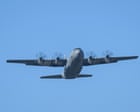
A Colombian military transport plane carrying dozens of soldiers has gone down in a reminder of the brutal geography and technical hurdles facing South American aviation. This isn't just another headline about a tragic accident. It's a snapshot of the high-stakes environment where Colombia's air force operates every single day. When a localized flight turns into a mass casualty event, the questions shouldn't just be about what happened in the cockpit, but about the state of the fleet and the unforgiving terrain of the Andes.
Initial reports from Colombian officials confirm the aircraft was transporting a significant number of personnel when it vanished from radar. Search and rescue teams are currently navigating dense jungle and mountainous ridges. It’s a nightmare scenario for any logistics officer. You have a heavy-lift bird filled with specialized troops, and suddenly, silence.
The Reality of Military Aviation in the Andes
Flying in Colombia isn't like flying over the Midwest. You're dealing with microclimates that change in seconds. One minute it's clear; the next, you're trapped in a "white-out" of clouds and sudden downdrafts. The Colombian Air Force (FAC) and Army Aviation are among the most experienced in the world because of this. They fly more hours in combat and transport than almost any other regional power.
But experience doesn't always beat physics.
Most of these transport planes, like the C-130 Hercules or the CASA C-295, are workhorses. They’re built to take a beating. However, even the best-maintained airframe has a breaking point when faced with engine failure at high altitudes. If an engine cuts out while you’re trying to clear a 12,000-foot peak, your options disappear. You're no longer flying; you're managing a very expensive, very heavy glider.
Why Every Second Matters in Jungle SAR
Search and Rescue (SAR) in the Colombian interior is a race against the elements. If the crash happens in the Amazon or the Chocó region, the canopy is so thick it can swallow a fuselage whole. Rescuers often have to rappel from helicopters because there's nowhere to land.
I’ve seen how these operations play out. It starts with a frantic signal from an ELT (Emergency Locator Transmitter). If that doesn't fire, you're looking for a needle in a haystack of emerald green. The soldiers on board aren't just passengers; they're often the backbone of rural security operations. Losing them impacts more than just a headcount. It creates a vacuum in regional stability.
A History of Hard Lessons
Colombia's military aviation history is written in blood and resilience. We’ve seen similar incidents before. Remember the 2015 Casa-235 crash in Cesar province? That was an engine failure. Or the 2017 EJC 1130 crash? These aren't isolated flukes. They're symptoms of a military stretched thin, using aging equipment to do modern, heavy-duty work.
Officials often point to "weather conditions" as a primary cause. It's a safe answer. It's also usually true. But we have to look at the maintenance cycles. The Colombian government has been trying to modernize its fleet for years. Budget constraints and political infighting often stall these upgrades. When you're flying 30-year-old planes in the world’s most turbulent air, you're playing a game of probability. Eventually, the numbers catch up to you.
Investigation Hurdles and Truth
Don't expect answers tomorrow. The Colombian Civil Aeronautics authority and the military’s own crash investigators will take months to pull the flight data recorders. If they can find them.
There's always a rush to blame the pilot. It’s easy. It’s convenient. But we should wait for the telemetry. Was there a structural failure? Did the fuel supply get contaminated at a remote outpost? These are the gritty details that matter. If it's a systemic mechanical issue, the entire fleet might need to be grounded. That would leave the border regions vulnerable at a time when they can least afford it.
The Human Cost of Logistic Flights
We talk about "scores of soldiers" like they’re just statistics. They aren't. They’re kids from Medellín, Bogotá, and rural villages. Many of these flights are the only way to rotate troops out of high-conflict zones where roads are nonexistent or controlled by armed groups. These "routine" flights are the lifelines of the state. When one falls, the message it sends to the troops on the ground is chilling. It says the sky isn't even safe.
Technical Specs That Often Fail
In many of these crashes, we see issues with:
- Density Altitude: High heat and high elevation make the air "thin," reducing lift and engine performance.
- CFIT (Controlled Flight Into Terrain): This is when a perfectly good plane is flown into a mountain because of poor visibility or navigation errors.
- Maintenance Backlogs: Heavy usage in humid, salty, or dusty environments accelerates corrosion.
If the investigators find evidence of CFIT, it points to a need for better cockpit tech like Synthetic Vision Systems. If it’s mechanical, the conversation shifts to the defense budget.
The immediate priority for the Ministry of Defense is the families. But the secondary priority must be an honest audit of the transport fleet. You can't keep asking pilots to perform miracles in old metal.
Check the official updates from the Colombian Ministry of National Defense for the confirmed manifest. Monitor the status of the "Catinga" and "Arpía" search units. These are the teams that actually go into the mud to find the truth. The coming days will reveal whether this was an act of nature or a preventable failure of oversight. Either way, the Colombian military just lost a vital piece of its reach, and the recovery will be long and painful.