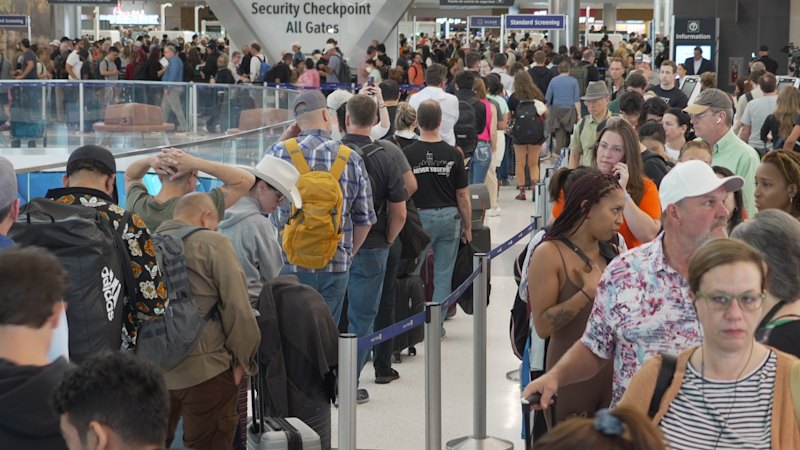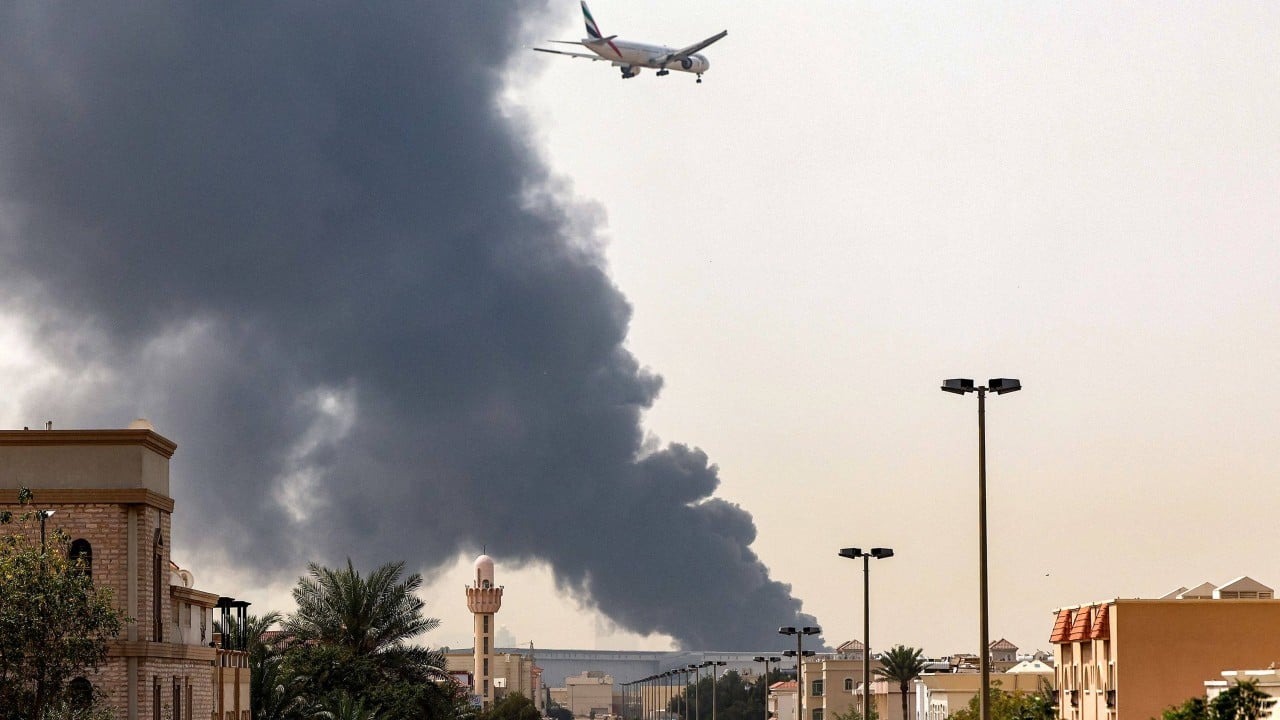
You’ve probably seen the headlines about sky-high airfares lately. Earlier this month, a Cathay Pacific business-class ticket from Sydney to London was spotted for over £20,000. That’s not a typo. It’s a direct symptom of a massive shift in how we’re flying across the globe. As conflict continues to tear through the Middle East, the traditional "Sandwich" route—stopping in Dubai or Doha—has become a logistical nightmare.
Cathay Pacific just announced it’s extending the suspension of its flights to Dubai and Riyadh until at least May 31, 2026. While that sounds like a massive blow to their network, it’s actually a calculated pivot. Aviation experts are watching a fascinating "re-routing" of global traffic. Instead of bleeding money on half-empty planes or risky flight paths, Cathay is doubling down on Europe. They’re betting that travelers would rather fly through the "safe haven" of Hong Kong than risk the uncertainty of Gulf hubs.
The Middle East Vacuum and the Hong Kong Opportunity
For decades, the "Big Three" Gulf carriers (Emirates, Qatar, and Etihad) dominated the Kangaroo Route between Europe and Australia. They offered cheap, efficient connections. But today, the math has changed. War-driven demand drops and airspace closures have turned those hubs into bottlenecks.
Cathay isn't just sitting around waiting for the peace treaties. They’re aggressively moving their planes to where the money is. By pulling out of the Middle East temporarily, they’ve freed up long-haul aircraft to satisfy a massive surge in demand for European destinations.
I’ve seen this play out before in aviation. When one door shuts, a carrier with a strong secondary hub can thrive. Hong Kong is that hub. While Middle Eastern carriers are forced to navigate around conflict zones—adding hours of flight time and burning thousands of extra gallons of fuel—Cathay can offer a relatively "straight shot" from Asia to Europe.
Breaking Down the Numbers
- 36 million passengers: That’s how many people Cathay Group carried in 2025, a 27% jump from the previous year.
- 92% capacity: Their European routes have recovered to nearly pre-pandemic levels, far outperforming their Middle Eastern counterparts.
- HK$10.8 billion: The group’s profit in 2025, proving that the "Europe pivot" is working.
Europe is the New Battlefield for Growth
Cathay isn't just adding a few seats; they’re launching an all-out offensive in the European market. If you’re looking for a flight to the continent this summer, you’re going to see a lot more brush-wing logos.
In April 2026, the airline is adding extra flights to Paris and Zurich. They’re also upgrading 13 pairs of London flights to larger aircraft. It’s a simple supply-and-demand play. With Gulf hubs under pressure, travelers are looking for alternatives. Cathay is positioning itself as the premium choice for those who want to avoid the geopolitical mess entirely.
They’ve also been quietly expanding into "secondary" European cities. Last year, they launched a brand-new route to Munich and brought back Brussels. By the summer of 2026, they’ll be operating nearly 100 return flights per week to 12 European destinations. That includes daily services to Frankfurt, Amsterdam, and Milan.
It’s a smart move. Munich, for instance, isn't just a tourist spot; it’s a massive industrial hub. By connecting the Greater Bay Area in China directly to the heart of German manufacturing, Cathay is capturing high-yield business travelers who don't care about the price of a ticket as much as they care about reliability.
Why This Pivot Actually Matters to You
You might think an airline’s route planning doesn't affect your life, but it’s why your next vacation might cost double what it did in 2019.
When Cathay pulls out of Riyadh and Dubai, it reduces the total number of seats available in the global market. That "capacity tightening" is what drives those £20,000 ticket prices. However, there’s a silver lining. If you’re flying from the UK or Europe to Asia, the increased frequency of flights means you’ll actually have more options—and potentially better deals—if you book through Hong Kong.
Don't Expect a Quick Return to the Gulf
Some analysts think Cathay will jump back into the Middle East the moment the "all clear" is given. I don't buy it.
The airline's CEO, Lavinia Lau, has been very clear about "restoring full network breadth" by late 2026, but the focus has shifted. The Middle East accounted for a significant portion of international transit traffic, but it’s also high-risk. Europe, meanwhile, is showing resilient demand for both leisure and cargo.
Look at the cargo side of things. Cathay Cargo moved 1.6 million tonnes last year. They’re flying everything from fresh cherries from Oceania to elite showjumping horses from Europe. This kind of high-value logistics relies on stable, predictable routes. You can’t fly million-dollar horses through a war zone.
Stop Waiting for "Normal" to Return
If you’re planning travel for the rest of 2026, you need to adjust your strategy. The days of the cheap Dubai layover are on pause for the foreseeable future.
- Look East, Not West: If you’re heading to Australia or Southeast Asia from Europe, start searching for routes via Hong Kong or even Singapore. These hubs are soaking up the capacity that used to go through the Gulf.
- Watch the Fuel Surcharges: Cathay recently doubled fuel surcharges on many routes due to surging oil prices. This isn't just "corporate greed"—it’s the literal cost of flying longer routes to avoid closed airspace.
- Book the "New" Routes: Airlines often offer introductory pricing or better availability on newly resumed routes like Brussels or Munich.
Cathay Pacific is proving that agility is the only way to survive in modern aviation. By sacrificing their Middle Eastern footprint to fortify their European one, they aren't just offsetting losses—they’re rewriting their growth strategy for the next decade.
Keep an eye on the third runway expansion at Hong Kong International Airport, which should be fully operational by late 2026. That’s going to unlock even more slots for European flights, potentially making Hong Kong the undisputed king of the Europe-Asia corridor once again. For now, check your flight status if you had a Dubai leg booked—you’re probably getting re-routed through HK.