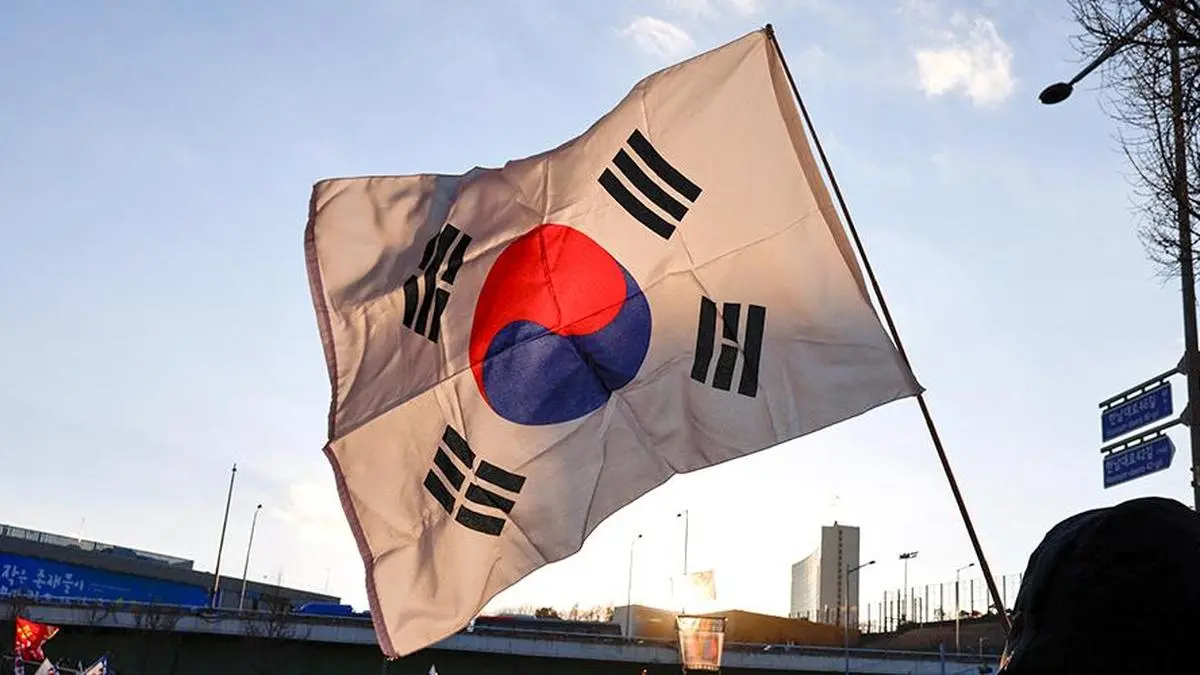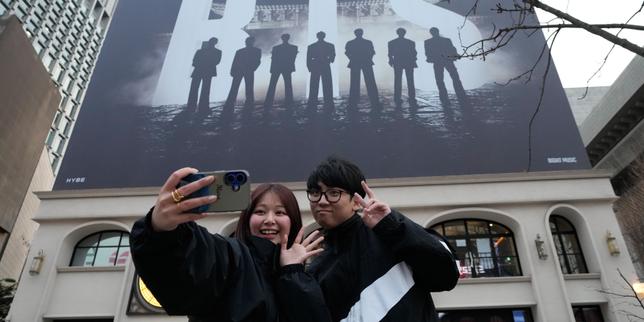
The reunion of BTS and the release of the "Arirang" album represent more than a localized entertainment milestone; they function as a high-stakes stress test for South Korea's Soft Power 2.0 strategy. By anchoring their return to the "Arirang" folk tradition—a symbol of Korean national identity—HYBE and the South Korean government are executing a vertical integration of cultural heritage and modern platform capitalism. This move shifts the K-pop value proposition from mere "exportable content" to a "sovereign cultural infrastructure" that utilizes Netflix’s global distribution to bypass traditional regional gatekeepers.
The Tri-Pillar Framework of the Arirang Comeback
The success of this rollout depends on the synchronized execution of three distinct strategic pillars. If any of these pillars underperforms, the project reverts from a geopolitical statement to a standard commercial release.
1. The Heritage Anchor (Cultural Legitimacy)
By naming the album "Arirang," HYBE occupies a unique defensive position against accusations of "Westernization." Historically, K-pop has faced criticism for being an imitation of R&B and Hip-Hop. Integrating a UNESCO-recognized folk anthem provides an armor of cultural authenticity. This is a deliberate "de-globalization" of the brand's aesthetic to increase its "nation-state" value, ensuring that the South Korean government remains a primary stakeholder and facilitator of the group’s logistics, such as the Seoul mega-concert.
2. The Netflix Distribution Pipeline (Infrastructure Arbitrage)
The decision to stream the Seoul concert via Netflix rather than a dedicated K-pop platform (like Weverse) or a linear broadcaster signals a shift in audience acquisition logic. Netflix provides:
- Mass-Market Friction Reduction: It captures the "latent fan" who would not pay for a standalone pay-per-view ticket on a niche app.
- Data Asymmetry: HYBE gains access to Netflix’s viewer behavioral data across non-traditional K-pop demographics, identifying new growth markets in EMEA and LATAM.
- Server Reliability: Outsourcing the technical overhead of a global live stream to Netflix’s Open Connect CDN mitigates the risk of platform crashes that previously plagued high-traffic K-pop events.
3. The Scarcity Multiplier (Post-Enlistment Economics)
The two-year hiatus created a supply-side vacuum. The "Arirang" album serves as the first liquidity event in a multi-year roadmap. By framing the concert as a "mega-event" in Seoul, HYBE creates a "center-of-the-world" narrative that drives high-margin tourism and physical merchandise sales, which carry significantly higher R.O.I. than digital streaming royalties.
Quantifying the Ripple Effect: The Indirect Macroeconomic Impact
The financial implications of the BTS return extend beyond HYBE’s balance sheet. The "BTS Effect" acts as a temporary subsidy for several Korean sectors.
The Tourism Velocity Vector
A concert of this magnitude in Seoul functions as a massive top-of-funnel marketing campaign for Incheon International Airport and the domestic hospitality industry. Unlike digital consumption, physical attendance creates a "spend-velocity" where a single fan’s capital circulates through:
- Aviation and Transport: Increased load factors for Korean Air and Asiana.
- Retail and Duty-Free: The "Arirang" branding encourages the purchase of traditional-modern fusion goods, increasing the average transaction value in districts like Myeong-dong.
- Content Pilgrimage: Fans visiting filming locations for the Netflix special create a long-tail marketing effect for regional Korean provinces.
Digital Sovereignity vs. Platform Dependence
A critical tension exists in the partnership with Netflix. While Netflix provides the reach, it also captures a significant portion of the "attention tax." The strategic risk here is the "platformization" of Korean culture. If South Korea relies too heavily on US-based platforms to distribute its primary cultural exports, it loses control over the algorithms that determine visibility. The "Arirang" album is a hedge against this; by grounding the content in specific Korean folklore, the IP remains distinctly Korean, even if the pipes used to deliver it are American.
The Logistics of a Global Mega-Concert: Operational Bottlenecks
Executing a concert retransmitted live on Netflix involves a technical complexity that exceeds standard touring. The operational success of the Seoul event is contingent on managing three primary bottlenecks.
Latency and Synchronicity
For a global audience, "live" is a relative term. The network must handle the simultaneous pings of millions of users without degrading the 4K stream quality. This requires a tiered distribution strategy where local nodes handle regional traffic to prevent a total backbone failure. The reputational risk is binary: a flawless stream cements South Korea as a tech leader; a stuttering stream devalues the "Arirang" brand.
The Regulatory Thicket
Broadcasting a concert globally involves navigating the "fragmented rights" landscape. Each territory has different regulations regarding music publishing royalties and performance rights. The "Arirang" album, likely containing reinterpretations of folk melodies, requires a complex legal clearinghouse to ensure that public domain elements are distinguished from new intellectual property. This creates a high barrier to entry that smaller labels cannot replicate.
Security and Crowd Management
The physical safety of the Seoul mega-concert is a prerequisite for the success of the Netflix broadcast. Any disruption on the ground becomes a global PR crisis in real-time. The integration of AI-driven crowd monitoring and specialized K-Police units is not just for safety; it is a component of the "produced" image of a modern, hyper-organized South Korea.
The "Arirang" Paradox: Balancing Tradition and Commercialism
The primary internal friction for this project is the "Arirang" Paradox. "Arirang" is a song of longing and resilience, often associated with national trauma and survival. Converting this into a high-gloss, high-production pop product risks alienating traditionalists.
To mitigate this, the creative direction must follow a "Modern-Traditional Hybrid" logic:
- Sonic Architecture: Using traditional instruments like the gayageum as foundational layers under 808 bass lines. This makes the traditional elements "useful" rather than "ornamental."
- Visual Semiotics: Incorporating hanbok-inspired tech-wear. This signals to the youth market that heritage is a functional aesthetic, not a museum piece.
- Lyrical Narrative: Reinterpreting "Arirang’s" themes of separation and reunion to mirror the group’s journey through military service and their return to the fans.
This alignment of national sentiment with group biography is what separates this comeback from a standard marketing cycle. It transforms the consumer into a "cultural participant."
The Strategic Playbook for Global Competitors
The BTS-Netflix-Arirang triad offers a blueprint for how mid-tier powers can utilize cultural IP to exert disproportionate global influence. The mechanisms used here—scarcity, platform arbitrage, and heritage anchoring—are replicable, provided the following conditions are met:
- State-Private Synergy: The government must view the cultural product as vital infrastructure, providing tax breaks, expedited visas, and security assets.
- Content Multiplicity: The album cannot exist in isolation. It must be supported by "ancillary content" (the Netflix special, behind-the-scenes documentaries, interactive Weverse experiences) to maximize the "time-spent" metric.
- Brand Elasticity: The artists must be capable of pivoting from "pop stars" to "cultural ambassadors" without losing their core commercial appeal.
The real test for HYBE will be the "post-Arirang" phase. Once the initial surge of the reunion subsides, the challenge will be maintaining the valuation of a group that has moved from "trendy" to "institutional."
The strategic recommendation for investors and observers is to monitor the "conversion rate" of Netflix viewers to physical album buyers. If the Netflix special results in a 15% or higher conversion to physical or premium digital sales, the model of "platform-as-a-loss-leader" is validated. If the numbers remain concentrated in streaming, HYBE will need to pivot toward more aggressive "in-person only" experiences to protect their margins. The "Arirang" concert is the opening move in a campaign to redefine the K-pop lifecycle from a sprint to a multi-decade marathon.