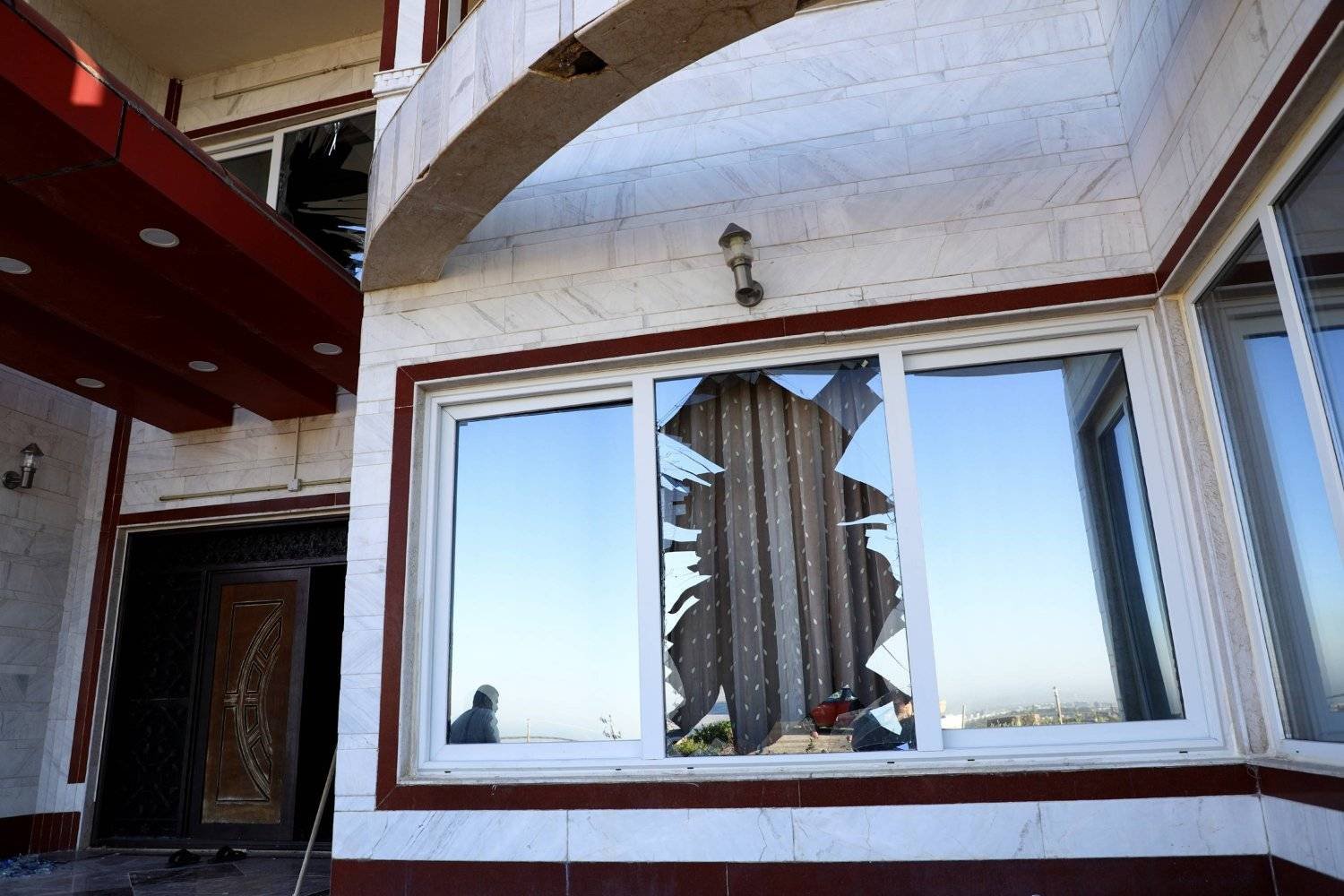
Tensions in the Middle East just hit another boiling point. On a quiet night in Erbil, a drone packed with explosives targeted the residence of the Kurdish President. It didn't just rattle the windows; it shook the entire geopolitical landscape of Northern Iraq. Now, we're watching a familiar, frustrating script play out. Washington points the finger at Tehran. Tehran points it right back. Meanwhile, the people on the ground are left wondering if they're about to become collateral damage in a much larger war.
This isn't just about one house or one leader. It's about who really pulls the strings in Iraq. If you've followed the region for more than five minutes, you know that Erbil has become a sanctuary for Western interests and a thorn in the side of Iranian-backed militias. The strike on the President's home was a message. The problem is that everyone is reading that message differently. Learn more on a similar issue: this related article.
Why Erbil is the Center of the Storm
The Kurdistan Region of Iraq (KRI) has long tried to balance its act. It wants to be a reliable partner to the U.S. while not making an enemy of its massive neighbor to the east. That balance is failing. Erbil is home to U.S. military personnel and international diplomats. For Iran, that makes it a legitimate target whenever they want to pressure the West.
We've seen this pattern before. When a high-ranking Iranian official is targeted or when sanctions squeeze too hard, Erbil pays the price. The "duelling accusations" we're seeing now aren't just rhetoric. They're part of a tactical playbook. The U.S. claims the drones used are Iranian-made, citing forensic evidence from the debris. Iran calls it a "false flag" operation designed to justify more American boots on the ground. It's a messy, dangerous cycle of "he said, she said" with high-explosive consequences. More journalism by Al Jazeera highlights comparable perspectives on this issue.
The Drone Problem is Getting Worse
Let's talk about the tech. Drones have changed everything in modern conflict. You don't need a billion-dollar air force to strike a president's bedroom anymore. You just need a few thousand dollars and some GPS coordinates. These "suicide drones" are small, hard to detect, and even harder to stop once they're in the air.
Pentagon officials are frustrated. They’ve poured millions into C-RAM systems and electronic jamming, but the sheer volume of these attacks is overwhelming. When the U.S. blames Iran, they aren't just talking about who pressed the button. They're talking about the supply chain. These drones don't just appear out of thin air in the Iraqi desert. They come from factories with specific signatures.
Iran's denial is equally calculated. By using local proxies—groups like Kata'ib Hezbollah or other "shadow" militias—Tehran maintains what diplomats call "plausible deniability." They can provide the blueprints and the parts while claiming their hands are clean. It’s a strategy that has worked for years, and it's driving the White House up a wall.
What the Kurdish Leadership is Thinking
Imagine being the Kurdish President right now. You're stuck between a superpower that promises protection but often acts too late, and a neighbor that can reach out and touch your house with a drone whenever it feels slighted. The KRI leadership is tired of being the playground for this proxy war.
They've been calling for more advanced air defense systems for years. They want the Patriot batteries that the U.S. is hesitant to provide. Why the hesitation? Because Washington is terrified of escalating the situation into a full-blown regional war. It's a classic case of risk management where the Kurds are the ones taking all the risk.
The internal politics are just as complicated. Some factions within Iraq are actually happy to see the Kurds get knocked down a peg. They see Erbil's autonomy as a threat to a centralized Baghdad. This means the Kurdish President isn't just fighting off foreign drones; he's navigating a domestic minefield where some of his "allies" might be quietly cheering for the other side.
The Evidence on the Table
When the U.S. Central Command (CENTCOM) releases a statement, they usually back it up with satellite imagery or flight path data. In this specific strike, the data points to a launch site within territory controlled by Iranian-aligned groups. This isn't a guess. It's a calculated assessment based on signal intelligence.
Iran’s counter-argument usually involves blaming "Zionist elements" or internal Kurdish dissidents. It's a narrative that plays well with their domestic audience but holds very little weight on the international stage. Yet, in the world of diplomacy, a loud enough lie can often muddy the waters just enough to prevent a unified international response.
Why This Attack Was Different
Most drone strikes in Iraq hit "soft targets" or empty hangars at airbases. Targeting the personal residence of the President is an escalation of intent. This wasn't a warning shot. It was an assassination attempt, or at the very least, a demonstration that nowhere is safe.
If the residence of a head of state isn't off-limits, then nothing is. This sets a terrifying precedent for the region. It suggests that the "rules of engagement" have been tossed out the window. If the U.S. doesn't respond with more than just a sternly worded press release, it signals weakness. But if they strike back too hard, they risk a spiral that ends in a regional conflagration.
Looking at the Bigger Picture
We have to look at the timing. These attacks rarely happen in a vacuum. Usually, they're tied to nuclear negotiations, oil prices, or regional elections. In this case, the pressure on the Kurdish President likely stems from his refusal to distance himself from Washington.
The U.S. needs the KRI to stay stable. It's their last reliable foothold in a country that is increasingly leaning toward Tehran's orbit. If the Kurds are intimidated into submission, the U.S. loses its eyes and ears in the heart of the Middle East. That's what this drone strike was really about. It was an attempt to break the back of the U.S.-Kurdish alliance.
The Failure of Traditional Diplomacy
We can keep having meetings in Geneva or Doha, but the reality on the ground isn't changing. Diplomatic "red lines" have been crossed so many times they've turned into a pink blur. The U.S. strategy of "calibrated response" clearly isn't deterring anyone.
Iran knows that the U.S. public has no appetite for another long-term war in the Middle East. They're betting that they can keep poking the bear without getting mauled. So far, that bet is paying off. They trade accusations, the news cycle moves on, and a few weeks later, another drone flies toward a new target.
Steps to Take Now
The cycle won't stop on its own. If you want to understand where this is heading, watch the weapons shipments. The KRI needs more than just sympathy; they need kinetic defense capabilities that can actually knock these drones out of the sky before they reach city limits.
Security experts suggest three immediate moves. First, the U.S. has to stop being vague about the consequences of these "proxy" attacks. If a drone is Iranian-made, the response should be treated as if it came from Iran itself. Second, the Iraqi government in Baghdad needs to be held accountable for the militias operating on its soil. You can't claim to be a sovereign nation while letting rogue groups launch missiles from your backyard.
Finally, the international community needs to crack down on the dual-use components that make these drones possible. Many of the parts found in these "cheap" drones are actually manufactured in the West and diverted through shell companies. Cutting off the supply chain is the only way to ground this threat for good.
Keep your eyes on the border movements. If we see a surge in militia activity in the coming days, this drone strike was just the opening act. The blame game is interesting for the headlines, but the flight paths tell the real story.