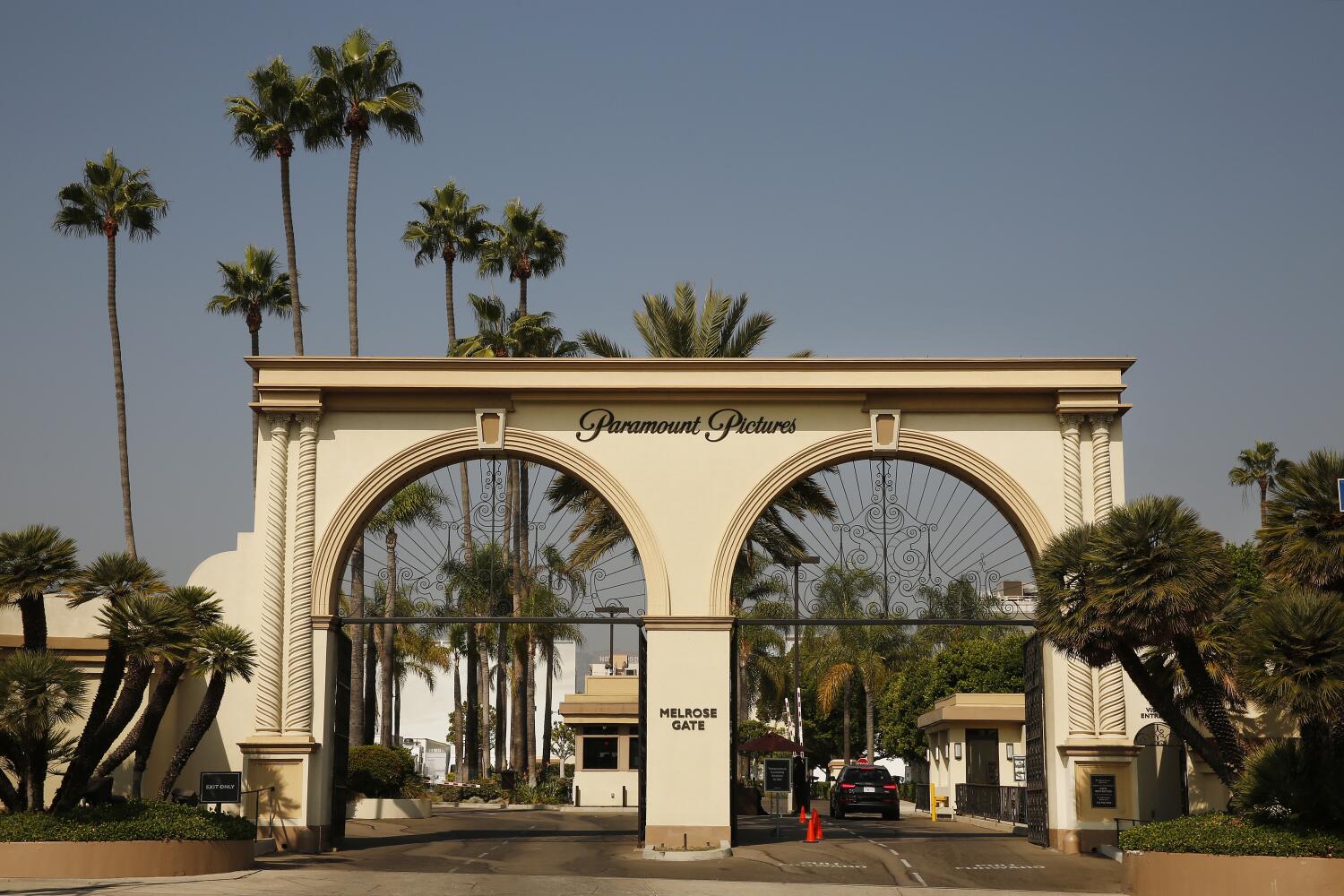
Hollywood isn't just a place where movies get made. It’s an ecosystem. When two of the biggest predators in that ecosystem decide to merge, the smaller players start looking for the exit. The rumored marriage between Warner Bros. Discovery and Paramount Global has sent a shockwave through Los Angeles that isn't about red carpets or box office numbers. It’s about survival. A massive group of directors, writers, and actors recently signed an open letter to the Department of Justice. They aren't asking for a seat at the table. They’re asking the government to smash the table before the merger happens.
This isn't just another corporate handshake. If David Zaslav and Shari Redstone actually pull this off, we’re looking at a level of media consolidation that makes the old studio system look like a mom-and-pop shop. The letter, backed by heavy hitters across the industry, argues that this union would effectively kill competition. It’s a desperate plea to stop the "big tech-ification" of storytelling.
Why the Paramount Warner Merger is a Threat to Creativity
I've talked to enough folks in the writers' rooms to know that "synergy" is just a corporate euphemism for layoffs. When two massive entities merge, they don't do it to create more. They do it to spend less. The open letter sent to the DOJ’s Antitrust Division highlights a terrifying reality for anyone who isn't a C-suite executive. Fewer buyers mean fewer chances for original ideas to see the light of day.
Right now, if you have a gritty drama or a weird sci-fi pilot, you can pitch to Warner. If they pass, you head over to Paramount. In a post-merger world, that's one door closed forever. The "Hollywood heavyweights" aren't being dramatic. They're being realistic. They’ve seen what happened after the Disney-Fox deal. Thousands of jobs vanished. Projects that were halfway through production got shelved for tax write-offs. This isn't theoretical. It's a pattern.
The letter explicitly mentions that this merger would grant a single entity too much power over labor. Think about it. If one company owns the majority of the distribution channels, they set the wages. They dictate the residuals. They decide who works and who doesn't. It’s a monopsony—a market where there’s only one buyer for a specific type of labor. For a guild member, that’s a death sentence for collective bargaining.
The Economic Reality Behind the Letter
Let's be honest about why these companies want to merge. Debt. Warner Bros. Discovery is carrying a massive bag of it. Paramount is looking for a lifeline as the linear TV ship continues to sink. From a Wall Street perspective, this makes sense. You combine assets, "optimize" the workforce, and show shareholders a bigger number on a balance sheet.
But movies aren't widgets. You can't optimize a creative process by firing half the staff and expecting the same quality. The letter argues that the DOJ must look beyond just "consumer prices." Traditionally, antitrust laws focused on whether a merger would make things more expensive for the person buying a movie ticket or a streaming subscription. The creatives are arguing that the DOJ needs to look at the impact on the creators themselves.
The Looming Content Desert
If this deal goes through, expect a massive contraction in what actually gets produced.
- Fewer Greenlights: Studios will focus only on "sure things" like Batman or Star Trek.
- Lower Budgets: Without competition, studios don't need to outbid each other for talent.
- Algorithm-Driven Choices: Consolidation usually leads to safer, boring choices that please a spreadsheet rather than an audience.
The signees of the letter include people who have won Oscars and Emmys. They’ve built the brands these corporations are currently trading like baseball cards. When people like that start sounding the alarm, it's because they see the engine room is on fire. They’re seeing a future where "content" is just a filler for an app, rather than a piece of art.
The DOJ is Finally Listening
For decades, the government basically let Hollywood do whatever it wanted. The Paramount Decrees—the rules that stopped studios from owning their own theaters—were tossed out a few years ago. It felt like the Wild West. But the current leadership at the DOJ and the FTC has shown a much shorter leash for big mergers. They've already blocked major deals in the publishing world.
The open letter is a strategic strike. It’s timed to hit exactly when the regulators are looking for reasons to say no. By framing this as a labor issue and a diversity issue, the creatives are speaking the language that current regulators want to hear. They’re pointing out that when you shrink the number of studios, you also shrink the opportunities for marginalized voices. Small, independent stories are the first ones to get cut when a mega-corp needs to pay down its interest.
What This Means for Your Living Room
You might think, "I just want to watch my shows, why should I care?"
Here's why. You're already paying more for streaming services that have less content than they did three years ago. You’re seeing shows you love disappear from platforms because of tax loopholes. This merger would accelerate that. It’s about the "illusion of choice." You might have fifty apps on your TV, but if three guys in a boardroom own all of them, you aren't really choosing anything.
The letter mentions that this consolidation hurts the "cultural vibrancy" of the country. That sounds fancy, but it basically means movies will get suckier. We'll get Fast and Furious 24 and nothing else. Competition breeds quality. When HBO had to compete with Showtime and FX, we got The Sopranos. When Netflix had to fight for its life, we got Stranger Things. Take away the fight, and you get lazy, expensive mediocrity.
The Next Steps for the Industry
The DOJ hasn't made a final call yet. The letter is just one piece of the puzzle, but it's a heavy one. If you're a creator or just someone who loves good movies, keep an eye on the labor disputes that are inevitably coming. The strike of 2023 was just the beginning. This merger talk proves that the fight for a fair share of the pie is far from over.
If you want to support the cause, start by looking at where your money goes. Support independent films. Watch things that aren't owned by the "Big Three." The only way to stop a monopoly is to prove there's still a market for the alternatives. Hollywood is at a crossroads, and right now, the people who actually make the movies are the only ones standing in the way of a total corporate takeover. Pay attention to the regulatory filings. Don't let the headlines about "billion-dollar deals" distract you from the fact that your favorite shows are at stake.