Money doesn’t stop bullets. It subsidizes the trajectory of the next ones.
The legacy media is currently obsessing over a $200 billion funding figure and the geographical expansion of the Israel-Iran conflict into the Caspian Sea. They see a ledger and a map. I see a fundamental misunderstanding of how modern kinetic warfare and global energy markets actually function. Most analysts are treating that $200 billion like a "solution" to regional instability. It isn't. It’s a high-interest loan on a bankrupt strategy that has failed for three decades.
The Funding Trap
When the Trump administration or any executive body floats a $200 billion price tag for "regional stability," the average citizen hears "protection." The industry insider hears "procurement cycle."
We have to stop pretending this money is a surgical tool. In reality, $200 billion injected into a war zone acts as a massive inflationary pressure on the military-industrial complex. I’ve watched defense contractors salivate over these numbers for years. When the government signals this level of liquidity, the price of a single interceptor missile doesn't stay static; it climbs to meet the available budget.
You aren't buying $200 billion worth of peace. You are buying a $200 billion seat at a table where the stakes are reset every six months. If capital were the solution to the West Asia crisis, the trillions spent since 2001 would have turned the region into a secular utopia. Instead, we are seeing the same patterns of escalation with more zeros attached to the checks.
The Caspian Sea Diversion
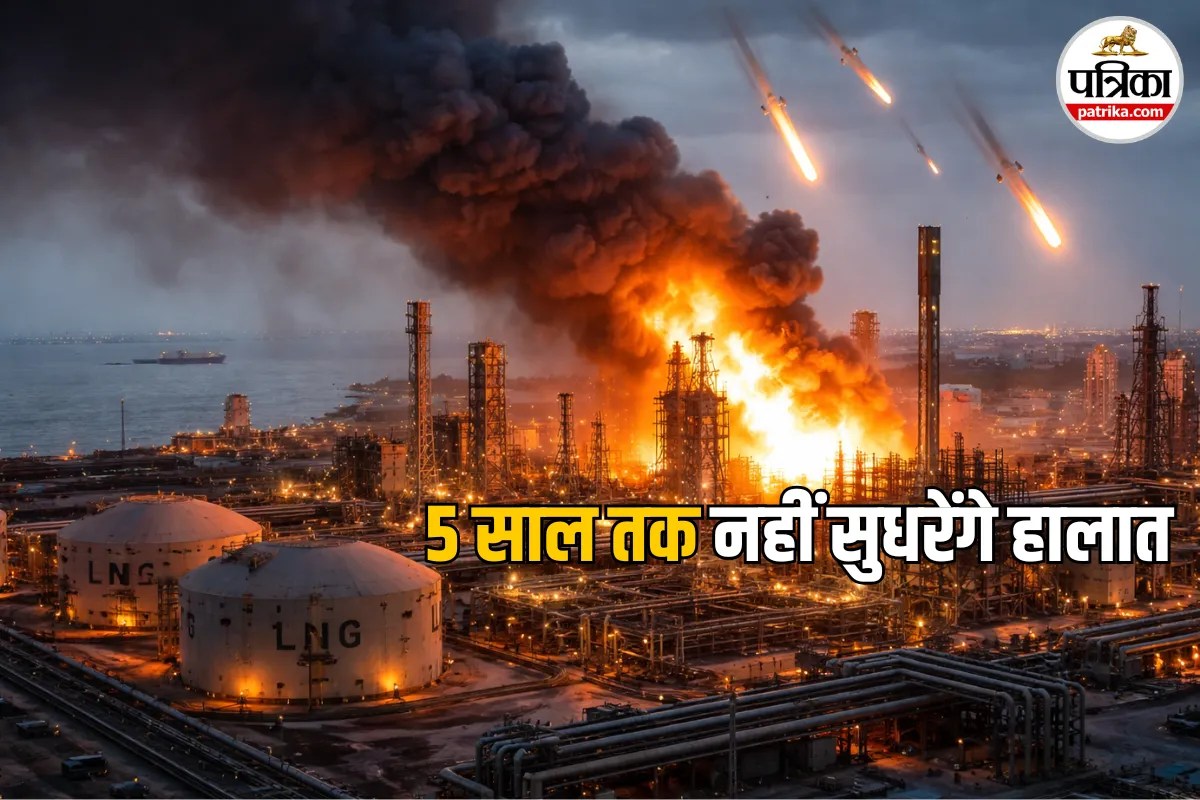
The reports of Israel targeting Iranian interests in the Caspian Sea are being framed as a "new front." This is a shallow interpretation. The Caspian isn't just another body of water; it’s a closed-loop system dominated by Russia and the littoral states of Central Asia.
Moving the theater of operations to the Caspian isn't an expansion of the war. It is a desperate attempt to bypass the Strait of Hormuz. Everyone is terrified of the "Hormuz Chokepoint" because it's the obvious play. But targeting the Caspian is a strategic error for three reasons:
- Sovereignty Friction: Unlike the Mediterranean or the Red Sea, the Caspian is governed by the Convention on the Legal Status of the Caspian Sea. Any kinetic action there forces Russia’s hand in a way that the Levant does not. You aren't just hitting Iran; you are poking the bear in its backyard.
- Infrastructure Fragility: The pipelines in the Caspian region—like the Baku-Tbilisi-Ceyhan (BTC)—are far more vulnerable than tankers in the open ocean. A single "accidental" strike there doesn't just hurt Iran; it bankrupts Western energy partners.
- Logistical Absurdity: Operating in the Caspian requires a footprint that neither Israel nor its allies can maintain without massive, overt cooperation from Azerbaijan or Turkmenistan. This isn't "stealth" warfare. It’s loud, messy, and diplomatically expensive.
The Myth of the "Key Update"
News outlets love "Key Updates" because they provide a sense of progression. But there is no progression here. There is only circularity.
The "People Also Ask" sections of the internet are currently flooded with variations of "Will the $200 billion end the war?" The answer is a brutal no. In fact, it might prolong it.
Imagine a scenario where a startup receives $200 million in VC funding without a viable product. What do they do? They burn it on "growth" that isn't sustainable. War is no different. Large-scale funding packages remove the incentive for local actors to find a diplomatic floor. If you know the check is coming, why stop the burn?
We are subsidizing a stalemate.
The Energy Market Miscalculation
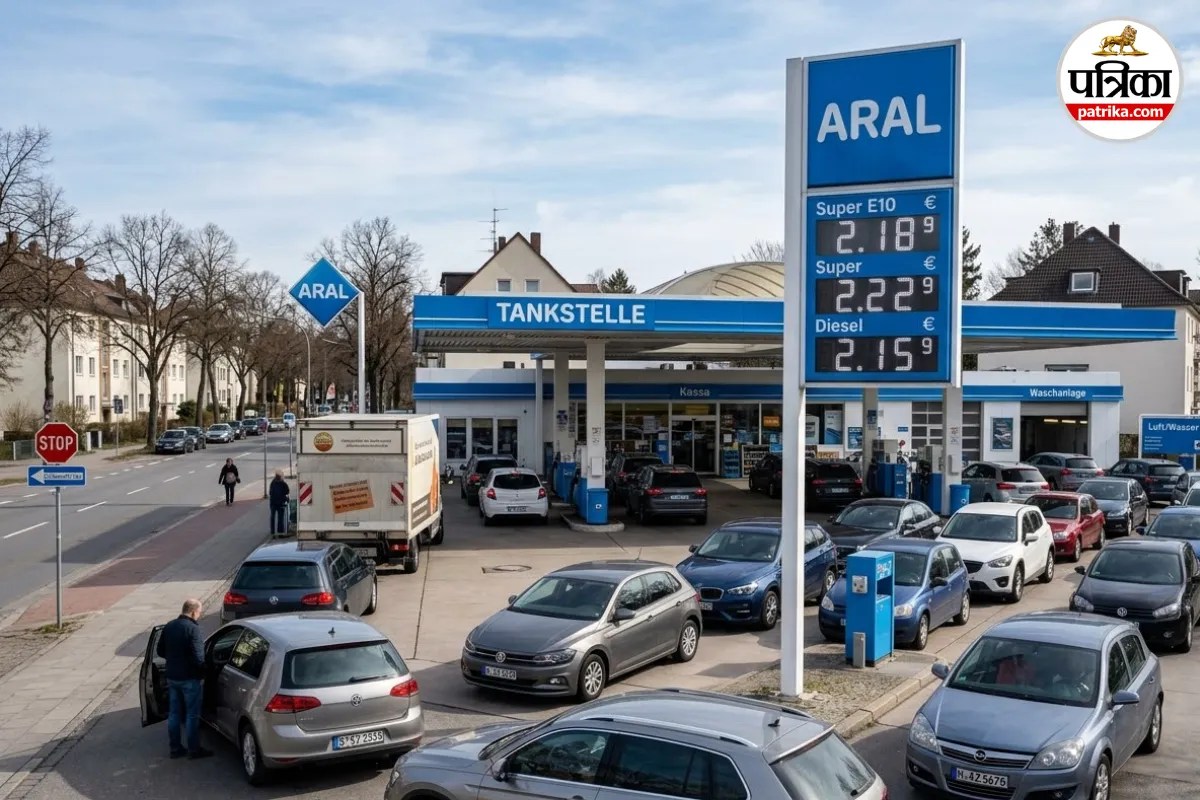
The market treats these escalations as "risk premiums" on Brent Crude. But the real risk isn't a supply shock. It's a structural shift in how energy is protected.
The $200 billion figure is largely earmarked for hardware: missile defense, surveillance, and tactical support. Yet, the real threat to global markets is the "shadow fleet" and gray-zone economics. You can’t shoot an insurance loophole with a $3 million Patriot missile. Iran has perfected the art of economic survival under duress, and throwing money at traditional military assets ignores the decentralized, asymmetric nature of their influence.
I’ve seen portfolios wiped out because they bet on "stability" returning after a massive funding announcement. The opposite usually happens. Funding leads to more testing of defenses. More testing leads to "accidents." Accidents lead to the very supply chain disruptions the money was supposed to prevent.
The Counter-Intuitive Reality
If the goal were actually to "win" or "end" the conflict, the strategy wouldn't be $200 billion in military aid. It would be $200 billion in energy infrastructure decoupling.
The West is still addicted to the idea that we can control the Middle East by balancing the scales of force. We can't. The only way to win is to make the region’s primary export—instability—irrelevant to our bottom line.
But that doesn't sell fighter jets. It doesn't fill the coffers of the lobbying firms in D.C.
Stop Asking "When Will It End?"
The premise of the question is flawed. It assumes that there is a "finish line." There isn't. The current state of "permanent war" is a feature of the global economy, not a bug.
The $200 billion isn't an investment in an ending; it’s a maintenance fee for the status quo. By shifting the focus to the Caspian, the actors involved are simply looking for a new "room" in the house to fight in because the old ones are too scorched to provide any tactical novelty.
If you are looking at the Hindustan Times or any other mainstream outlet for a roadmap, you are looking at a rearview mirror. They are reporting on the movements of a ghost. The real war is happening in the currency markets, the cyber-infrastructure of the Caspian pipelines, and the boardrooms where $200 billion is being sliced into "consulting fees."
The Caspian isn't a new front. It's a trap. The $200 billion isn't a shield. It's a target.
Keep your eyes on the ledger, not the map. The map is a lie.
Stop waiting for the "Key Update" that changes everything. It’s not coming. The only update that matters is that the price of the stalemate just went up.
Pay the bill or get out of the way.